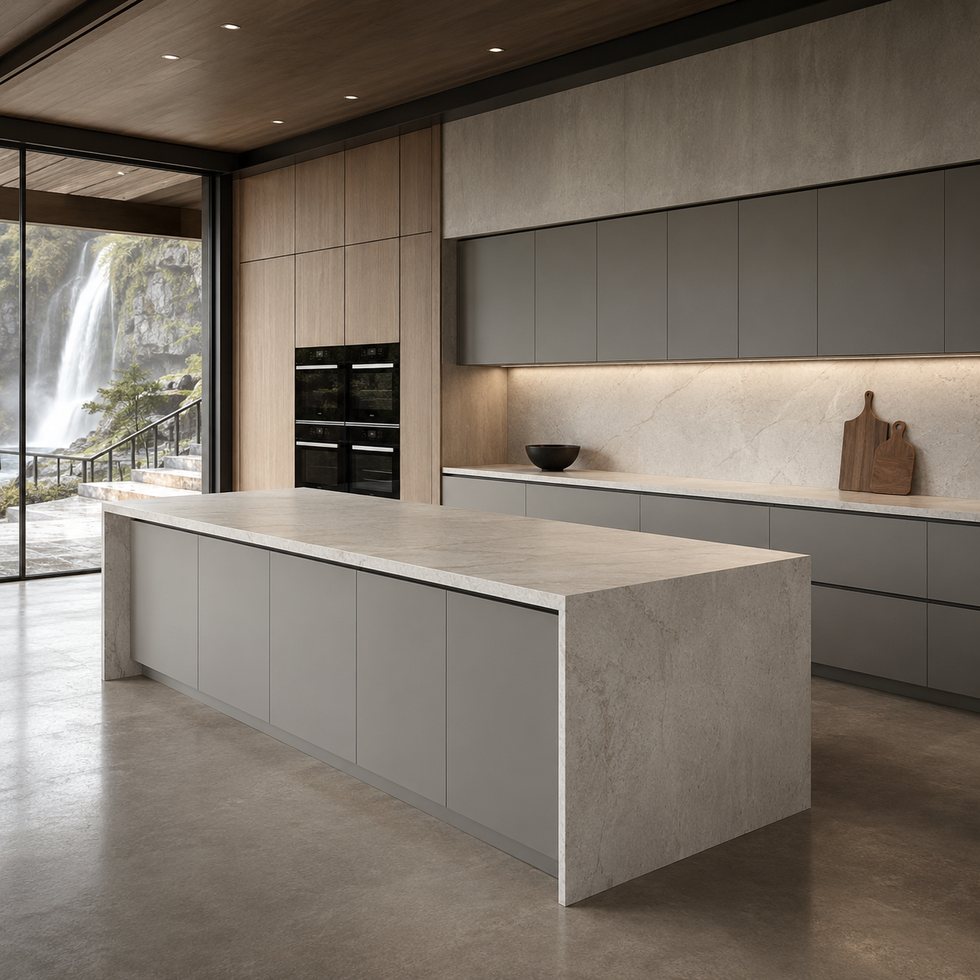
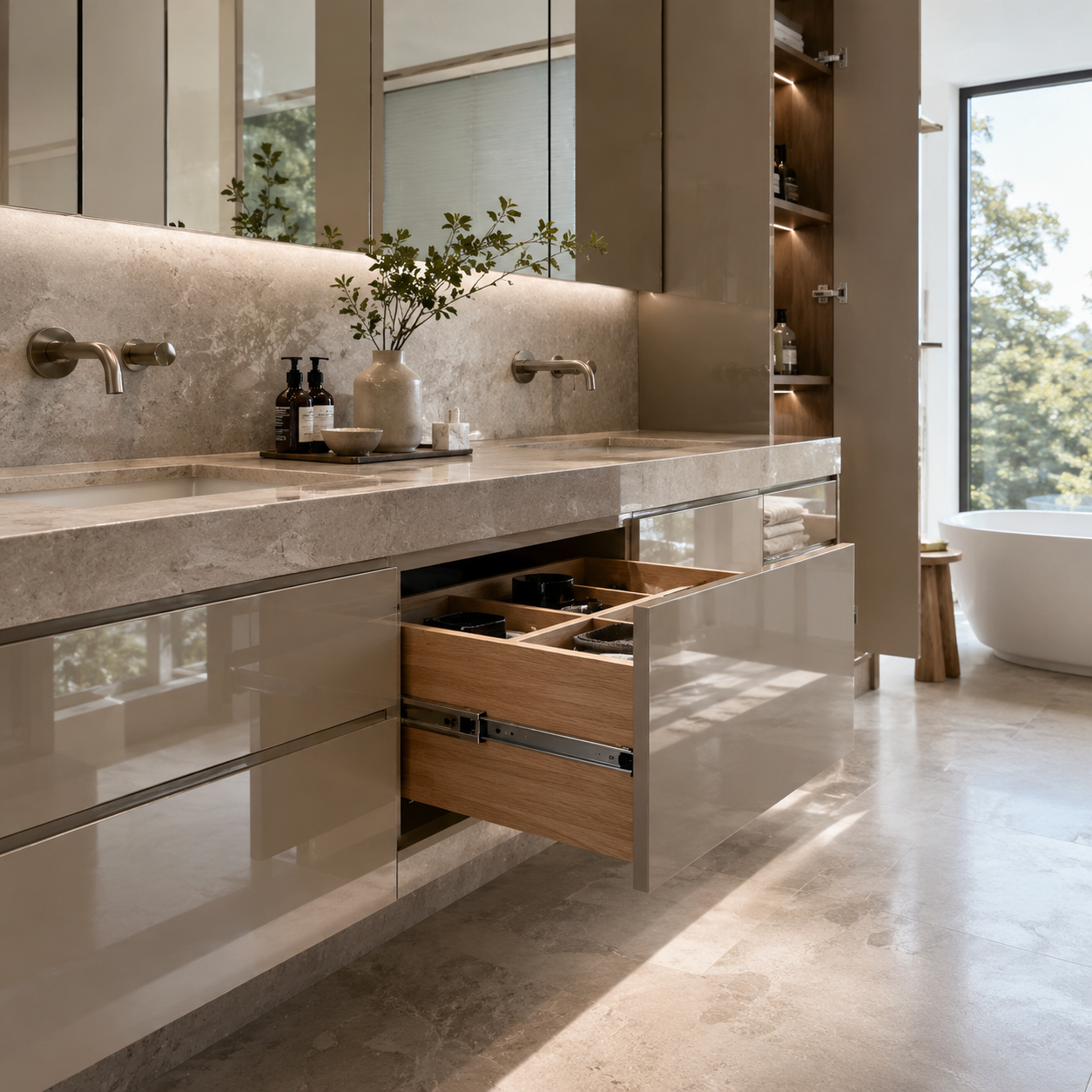
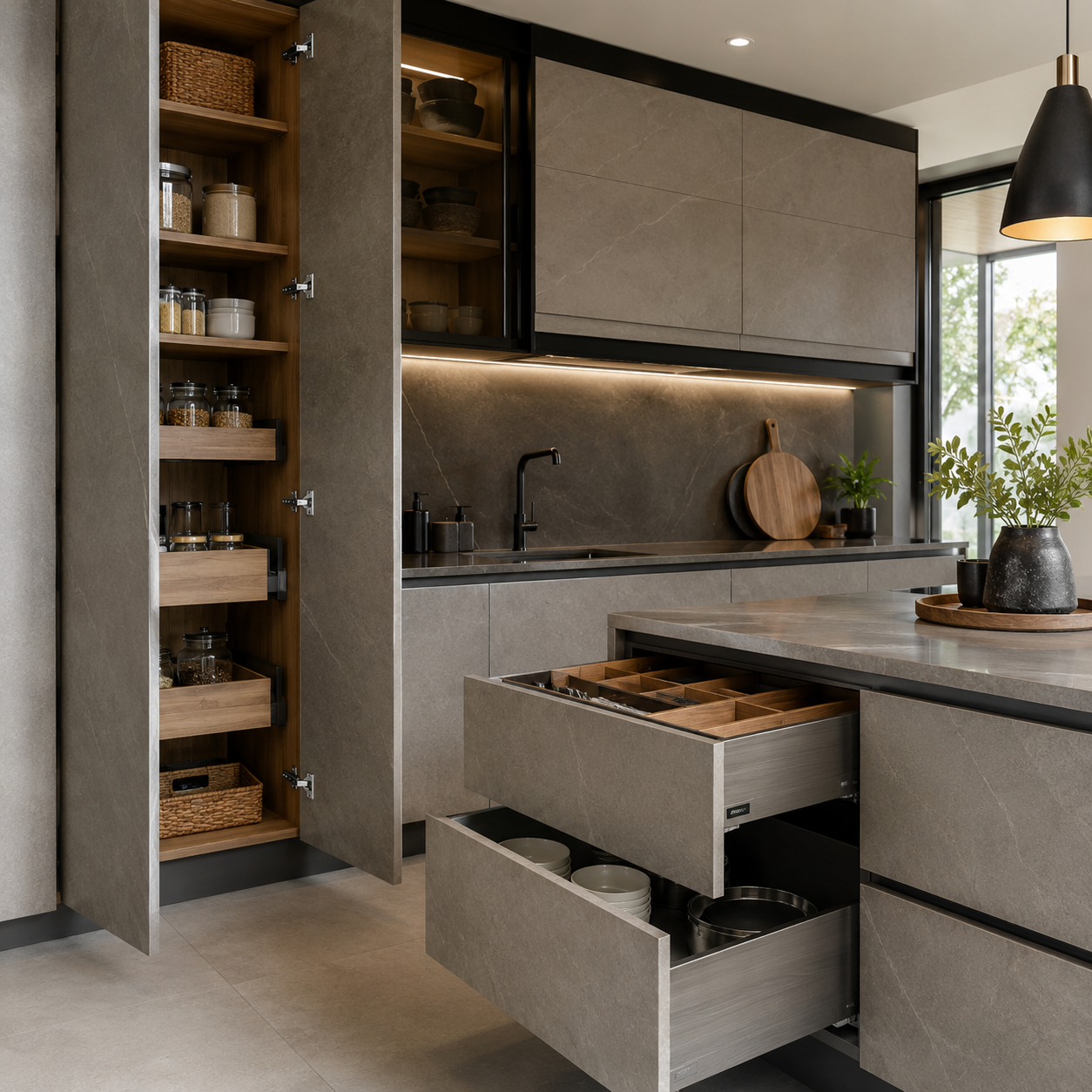
Artistic Lacquer Finish Vanities: Color, Surface and Sample Approval Guide looks at artistic lacquer finish vanity sample approval through current industry signals and practical design detail. The topic matters because it affects custom vanity projects with color-sensitive lacquer surfaces, where material choice, layout, finish, lighting and everyday use often need to be considered together.
Quick Buyer Takeaways
Lacquer color should be approved with a physical sample or controlled reference.
Surface sheen, edge detail and bathroom lighting can change the final impression.
Confirm cleaning, moisture exposure and color tolerance before production.
Keep sample photos, codes and approval notes in the project record.
Industry Signal
Houzz shows that style change remains a major renovation driver; for lacquer vanities, that means color and surface approval should be handled with more discipline.
Design and Material Reading
For an industry-news style article, the key is to explain what the signal means for custom vanity projects with color-sensitive lacquer surfaces. The most useful reading is the design direction, material choice or technical coordination behind the topic.
That means using professional vocabulary in a practical way: surface, substrate, edge detail, lighting, hardware, storage logic, maintenance and site conditions should appear when they are relevant to the topic.
For designers, contractors and distributors, those details are more valuable than a broad product label because they clarify how the idea performs in a real space.
Why Lacquer Approval Is a Project Control Step
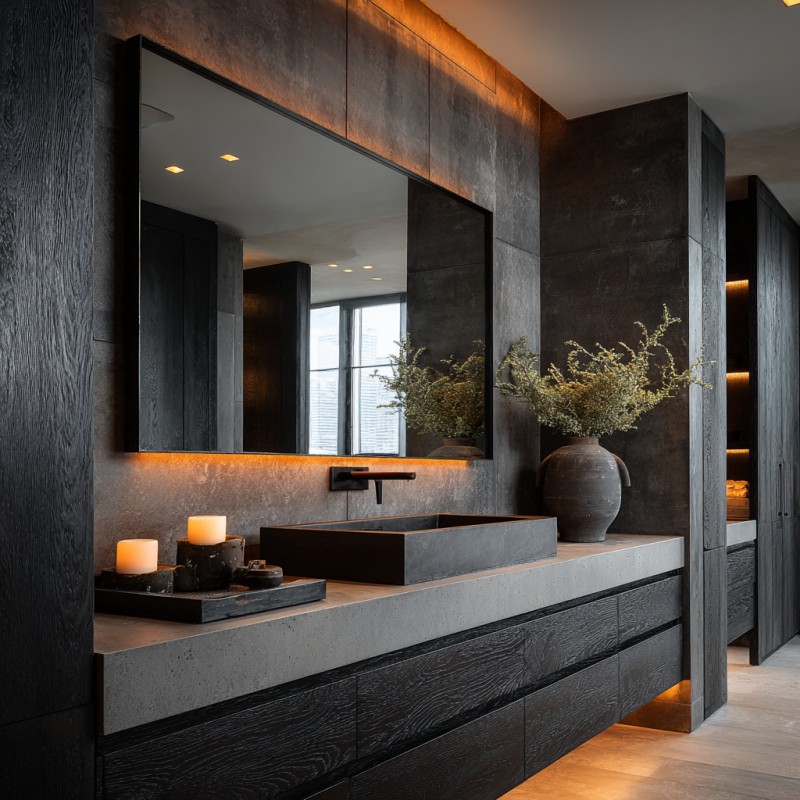
Artistic lacquer can carry the design identity of a vanity, especially in boutique hotel, apartment and villa bathrooms. But color-sensitive finishes can also create disputes if the buyer approves only a screen image.
A professional article should teach buyers how to approve the finish: define the color family, sheen level, sample size, lighting condition and acceptable variation before final drawings move to production.
Surface Questions Buyers Should Ask
Confirm whether the surface is high gloss, satin or matte; how edges are finished; how the lacquer works near water and cleaning products; and how touch-up or replacement is handled.
If the vanity sits beside stone, tile, metal hardware or mirror cabinets, review all samples together. A beautiful lacquer color can look different when surrounded by cooler or warmer materials.
How VSME Can Turn Design Intent Into Production Notes
The inquiry should include room photos or renderings, desired color direction, quantity, vanity dimensions, countertop plan, hardware expectation and destination country.
The key is to move from color preference to production-ready information: surface sample, sheen, edge treatment, countertop relationship and installation environment.
Project Application Notes
In real projects, this topic usually appears around custom vanity projects with color-sensitive lacquer surfaces. The article should therefore explain the environment, the visual expectation and the technical decision points before it talks about ordering.
Professional readers also need to see the limits of the idea: where it performs well, what information is still uncertain and which details should be checked against the actual room, drawing or site condition.
A short application note is still useful because industry readers want to know how a trend or material choice becomes a drawing, sample or installation detail. It should not dominate the article.
Good application notes make the topic easier to evaluate because they connect appearance, performance, maintenance and site conditions in one place.
What should buyers confirm before ordering Artistic Lacquer Finishes Vanity?
Confirm dimensions, drawings, material or finish direction, hardware expectations, quantity, destination country and the room conditions that affect construction or maintenance.
Why is an industry reference useful?
It helps connect the topic to broader material, design and renovation signals rather than treating the product name as an isolated keyword.
Can one article replace a project quotation?
No. It helps buyers prepare better questions. Final construction, price, lead time, packing and commercial terms must be confirmed for the specific order.
We use cookies to offer you a better browsing experience, analyze site traffic and personalize content. By using this site, you agree to our use of cookies.Privacy Policy