
VSME is a professional manufacturer and supplier of Modern Floating Integrated Vanity in China. We operate our own factory and offer a wide range of custom bathroom vanities to meet your specific needs. We welcome your inquiries and orders!

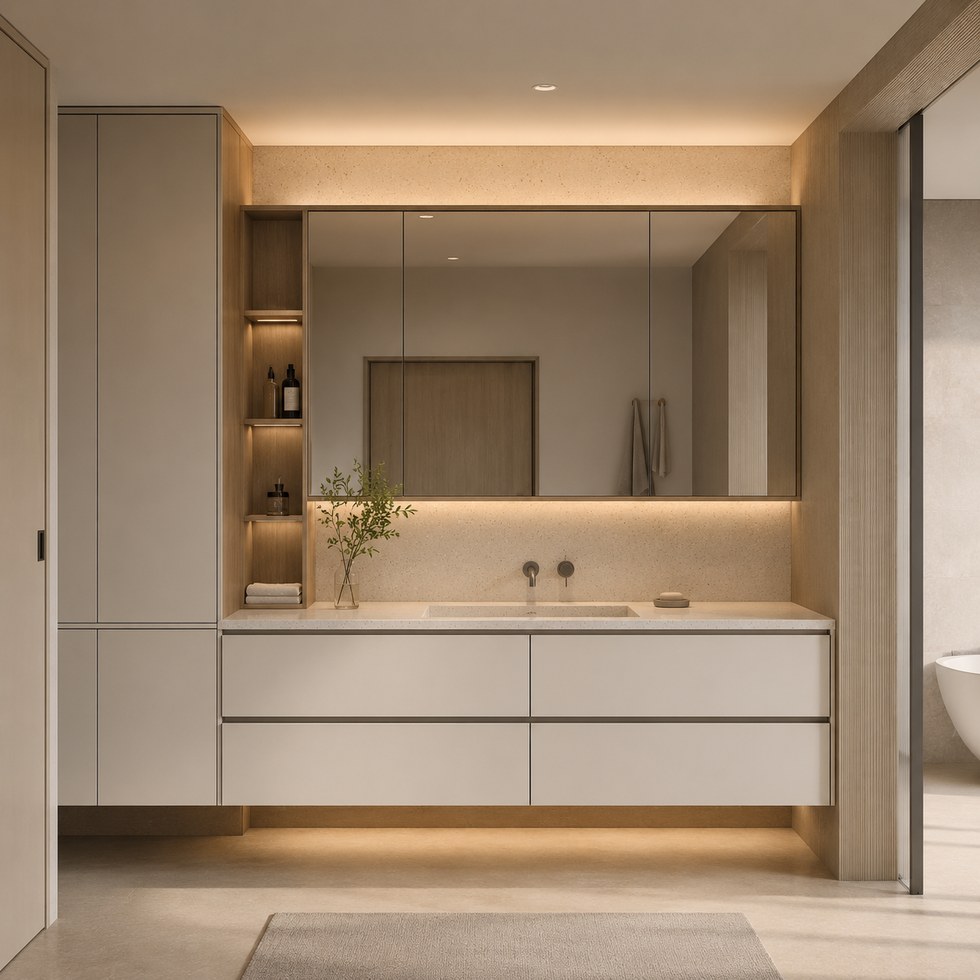
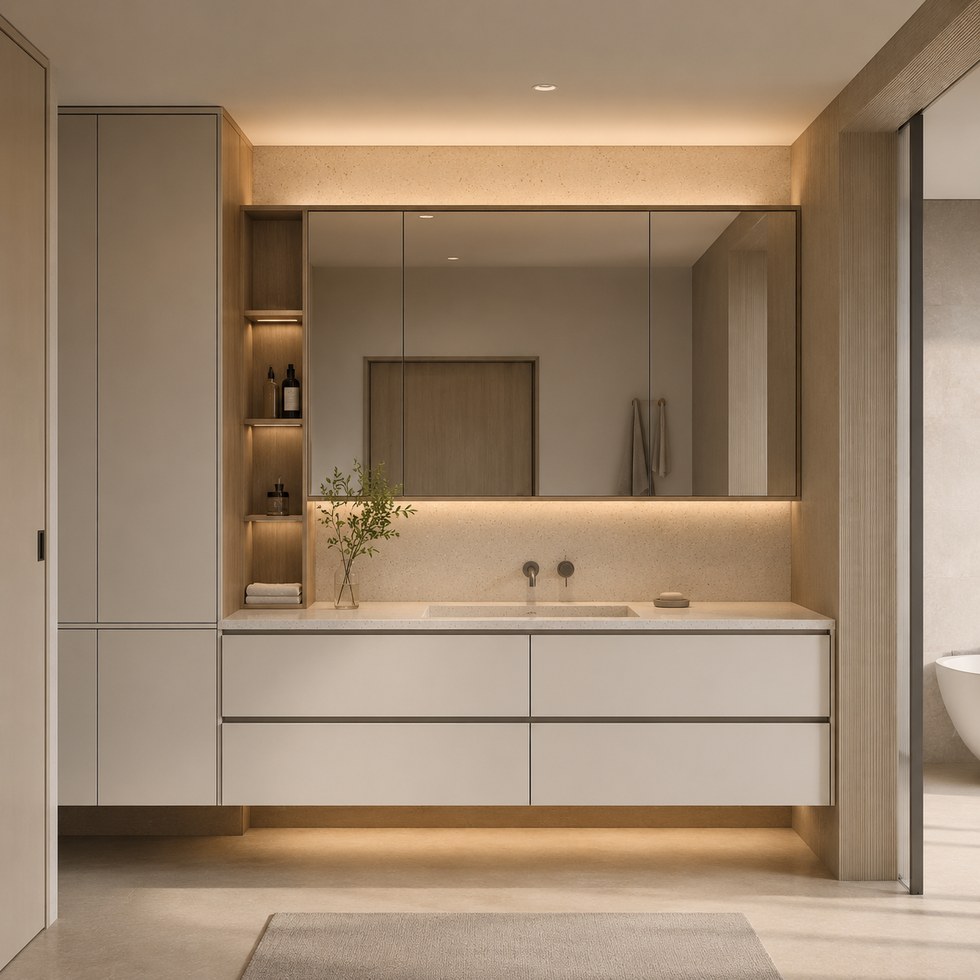
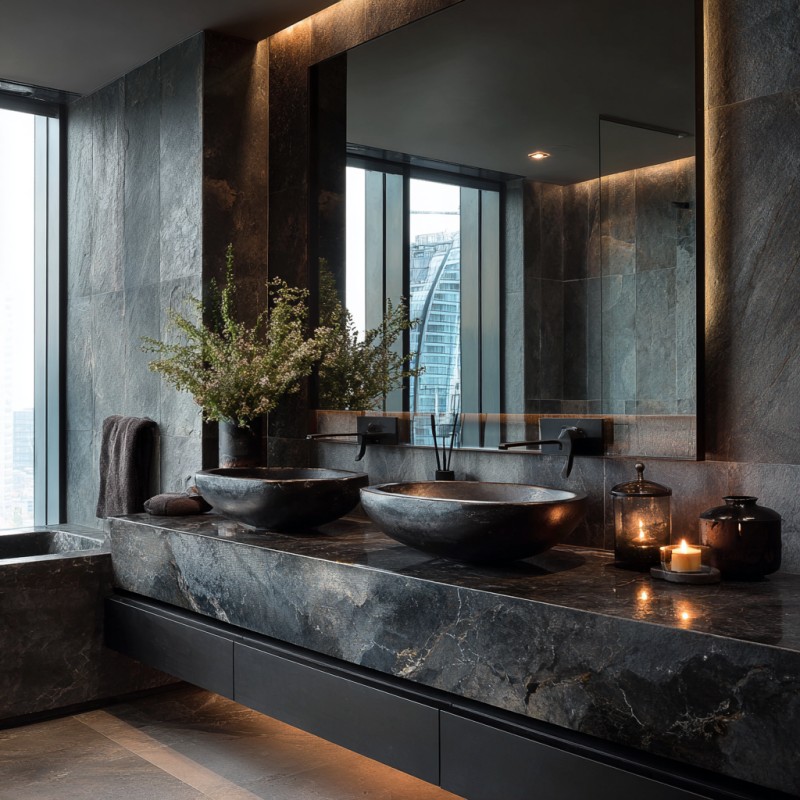
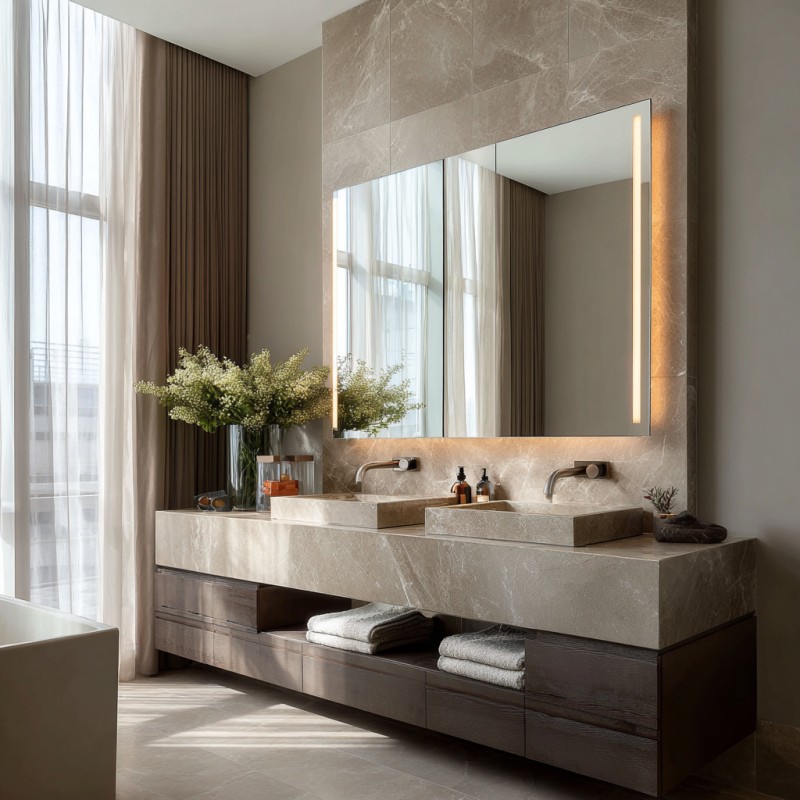
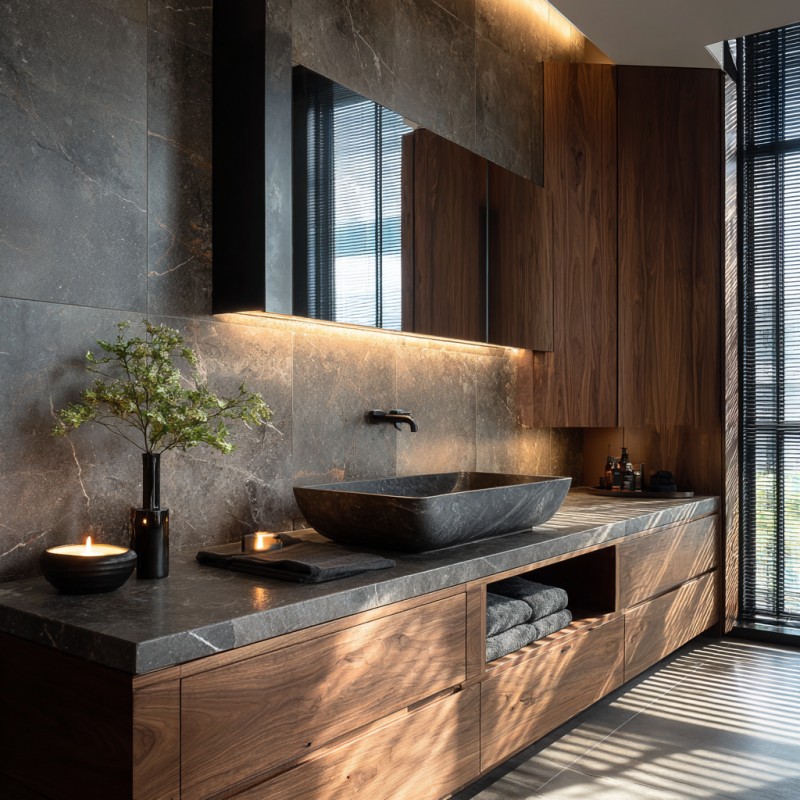
The greatest engineering challenge in floating designs lies in managing the load-bearing limits of the wall structure. This is particularly critical when the cabinet supports heavy countertops made of sintered stone or ceramic, where the sheer weight of the unit is substantial. VSME moves away from the traditional method of simply fastening the back panel directly to the wall with nails. Instead, we embed a Concealed Metal Keel System within the back of the cabinet body. This system effectively distributes the entire gravitational load evenly across multiple load-bearing anchor points on the wall. For projects involving lightweight partition walls, we provide specialized in-wall load-bearing brackets. This level of physical structural reinforcement ensures that—even with cabinet widths exceeding 1.5 meters, or under conditions of heavy loads and frequent long-term use—there will be absolutely no structural tilting or loosening, not even by a mere 0.1mm.
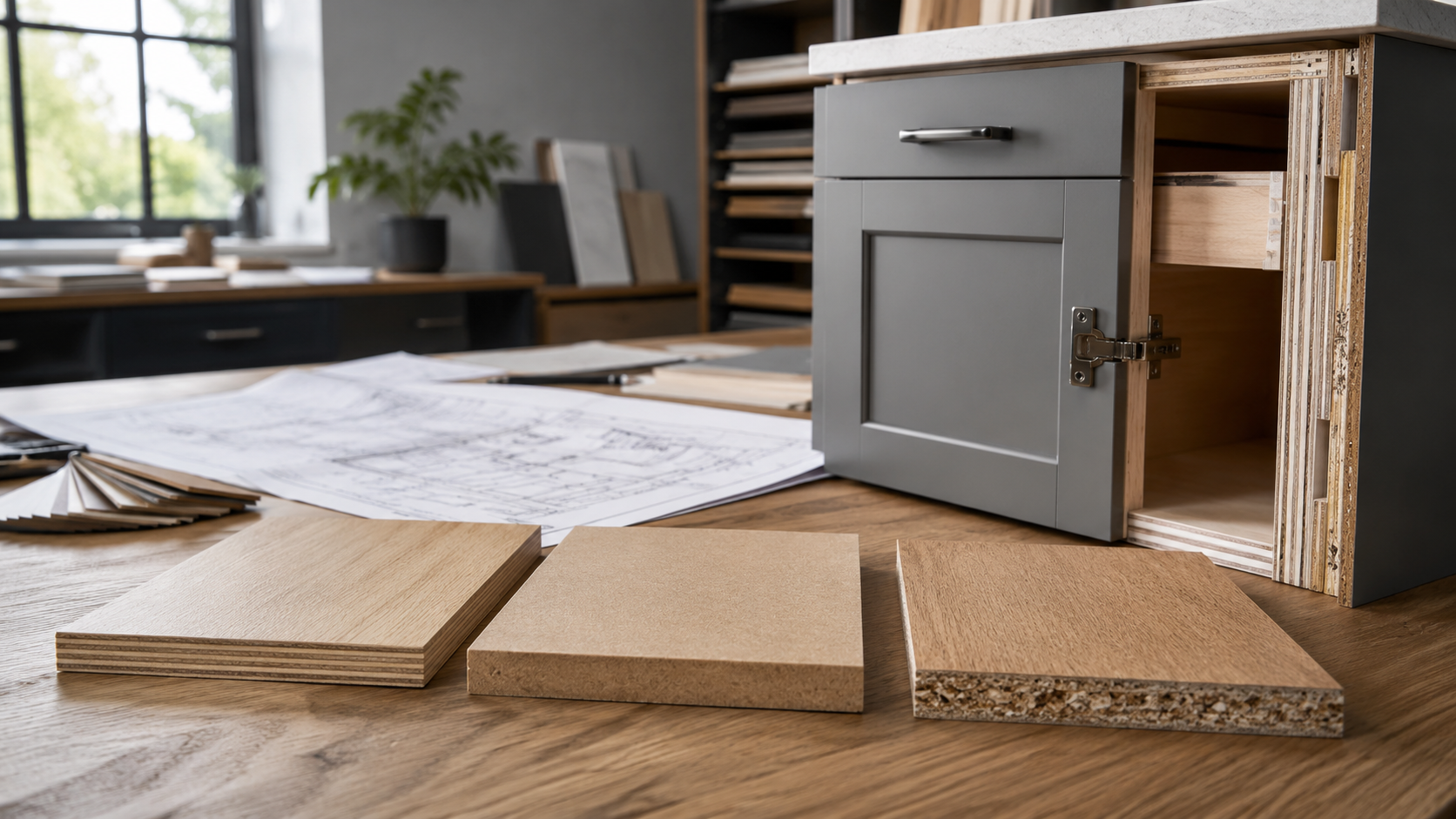
The swelling of wood fibers caused by water absorption is a critical vulnerability in bathroom products. Effective moisture resistance cannot rely solely on surface coatings. For all its cabinet bases, VSME exclusively utilizes ENF-grade, high-density, moisture-resistant multi-layer plywood. At the most vulnerable points—the exposed cut edges of the panels—we strictly implement an automated PUR hot-melt edge-banding process. Once cured, the chemical barrier formed by PUR adhesive offers water resistance that is 3 to 4 times superior to that of traditional EVA adhesives. Combined with precision CNC laser edge-banding technology, the panel edges achieve a physically "seamless" finish. This fundamentally eliminates any pathways for condensation to seep through the joints, thereby ensuring that the cabinet base remains free from peeling or edge-bursting—even in high-humidity coastal regions or windowless, enclosed bathrooms.
The seams where traditional under-mount sinks join the countertop serve as breeding grounds for mold and accumulated grime. VSME utilizes either high-temperature-fired, one-piece molded ceramic sinks or integrated sinks crafted from Sintered Stone (with a Mohs hardness rating of 6). These materials possess the physical characteristic of zero porosity (zero absorption rate). This integrated, seamless construction completely eliminates the need for silicone caulking joints. Residues from detergents or cosmetics, as well as hard water limescale, are unable to adhere to the surface; consequently, routine cleaning requires nothing more than a simple wipe. Regarding storage system integration, the factory utilizes 1:1 3D data modeling to incorporate a U-shaped drawer design that accommodates plumbing—completely encasing complex drainage lines while preserving over 60% of usable storage space for the user.
Logistical damage prevention for fragile goods and precision in on-site installation constitute core cost factors in cross-border trade. VSME implements a strategy of absolute physical isolation packaging for vanity tops and basins. Each basin is individually wrapped in highly resilient EPE foam and securely anchored within fumigation-free, steel-strapped wooden pallets to ensure rigid, shock-resistant protection. To address installation openings, the technical team coordinates with overseas project teams regarding plumbing schematics prior to production; this allows for the precise, pre-emptive CNC cutting of back panel openings in a dedicated workshop, maintaining a tolerance margin of just 0.5 mm. Before the Modern Floating Integrated Vanity leaves the factory, the cabinet body and basin undergo a mandatory 100% physical pre-assembly process. Upon unpacking, overseas installers can precisely align the unit with the plumbing lines using corresponding numerical markers, thereby completely eliminating the high labor costs and material wastage risks typically associated with on-site cutting.