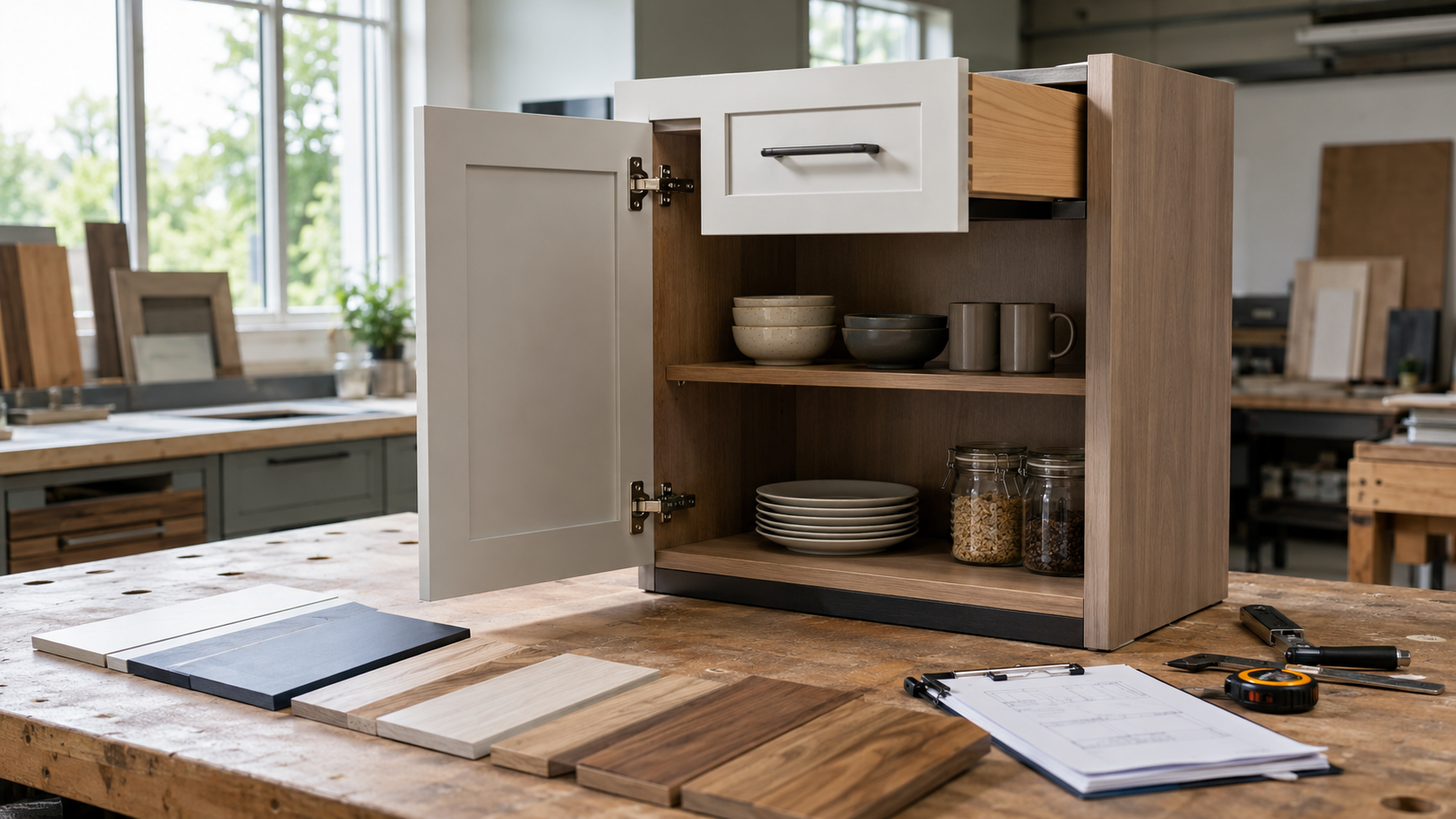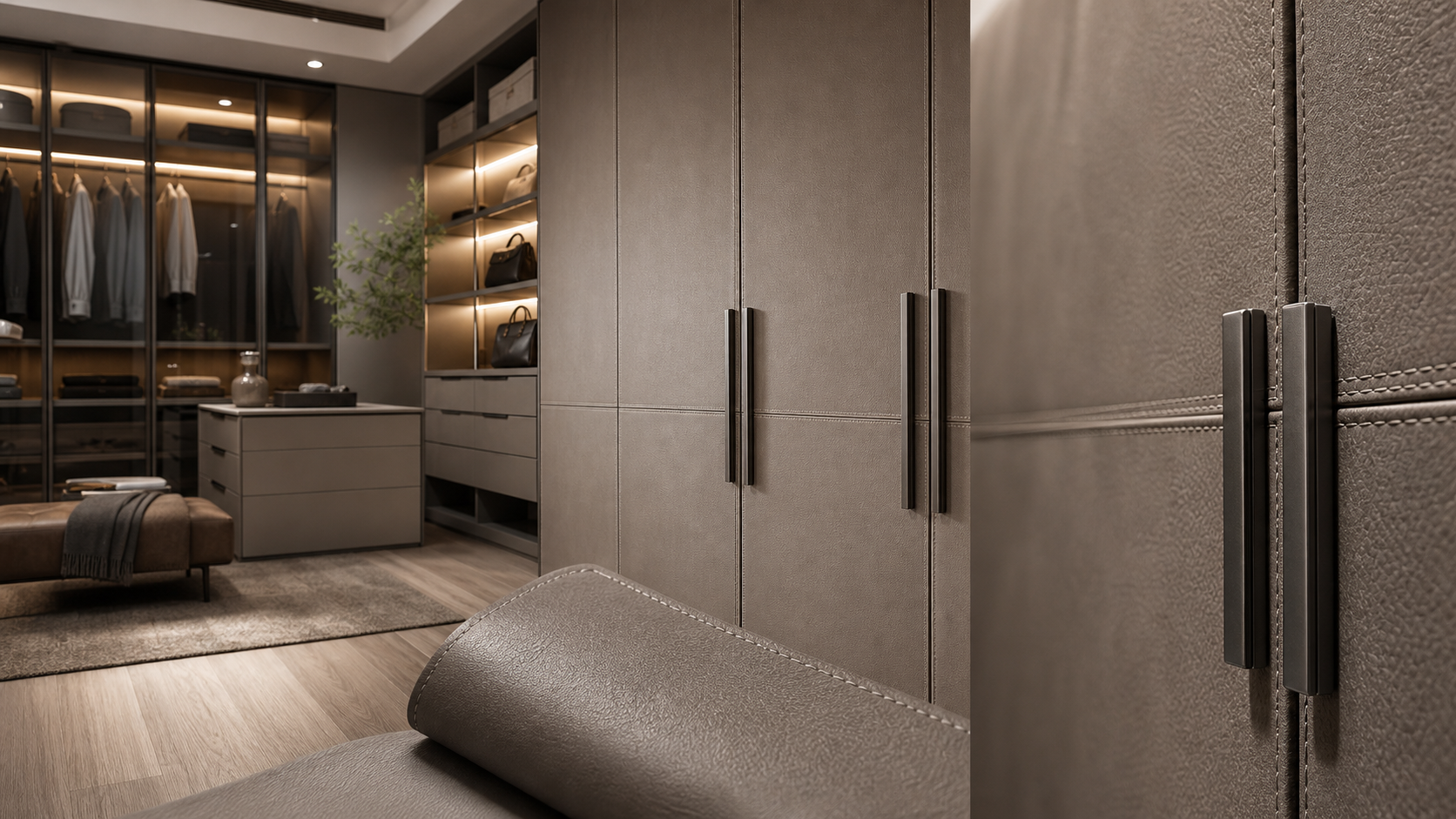

A cabinet can look impressive in a showroom and still reveal little about how its shelves, drawers, doors and finish behave over time. The Kitchen Cabinet Manufacturers Association's A161.1 Quality Certification page makes cabinet performance easier to understand by showing the physical tests used in its certification program.
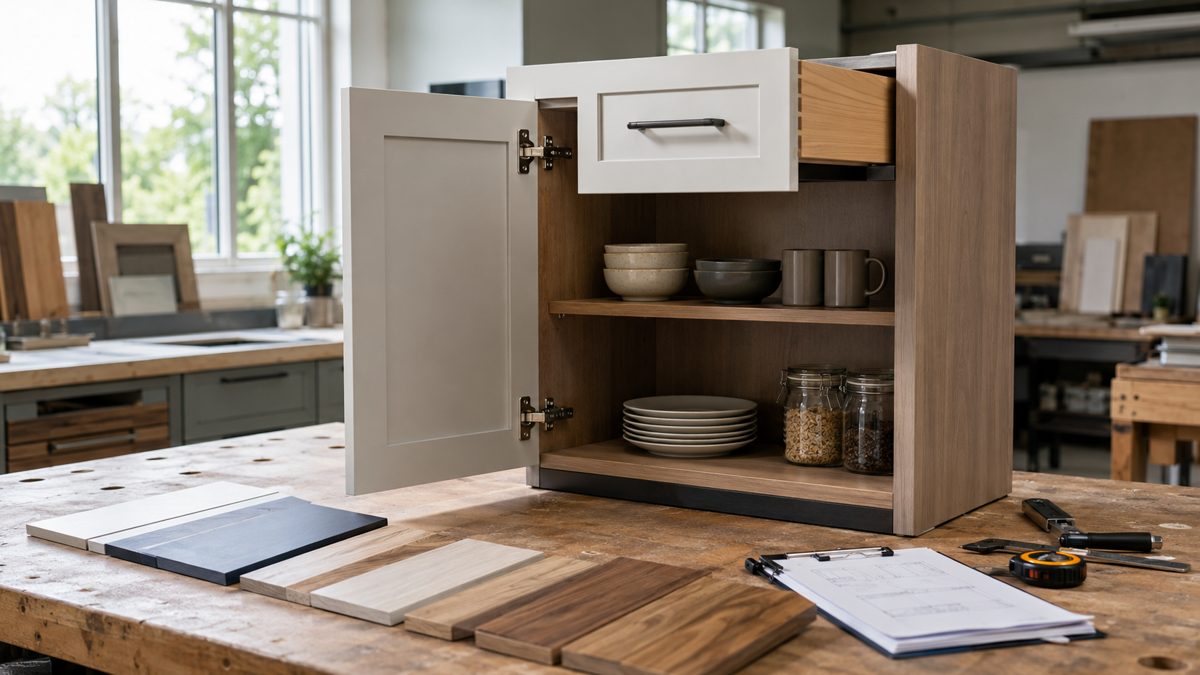
The KCMA program groups its testing into four main areas: structural integrity, drawer operation, door operation and finish performance. Together they cover the cabinet box and mounting system, moving components used every day, and exposed surfaces affected by kitchen conditions.
The tests described below belong to the KCMA certification program. A cabinet should only be presented as KCMA-certified when the manufacturer and product are actually covered by that program. Even when comparing non-certified products, however, the test categories provide customers with useful, concrete questions about construction and expected use.
KCMA loads shelves and cabinet bottoms at 15 pounds per square foot for seven days. After the test, there should be no excessive deflection, visible joint separation or failure of the cabinet or mounting system.
Mounted wall cabinets and wall-hung base cabinets are gradually loaded to 600 pounds. Base-front joints are tested by applying 250 pounds against the inside of cabinet-front stiles when drawer rails are present, or 200 pounds when they are not.
A separate drop test represents the impact of cans or other items falling inside a cabinet. A three-pound steel ball is dropped from six inches above shelves, cabinet bottoms and drawer bottoms. The tested part must remain functional without visible joint separation or mounting failure.
These tests show why shelf span, joint construction and wall mounting deserve attention alongside door style. A long shelf, a heavily loaded pantry and a wall cabinet all place different demands on the cabinet structure.
For the drawer weight test, drawers are loaded at 15 pounds per square foot and operated through 25,000 cycles. They must remain operable, and the drawer bottom must not deflect enough to interfere with movement.
Drawer-front strength is tested by dropping a three-pound weight eight inches against the drawer assembly ten times. There should be no looseness or structural damage that prevents normal operation.
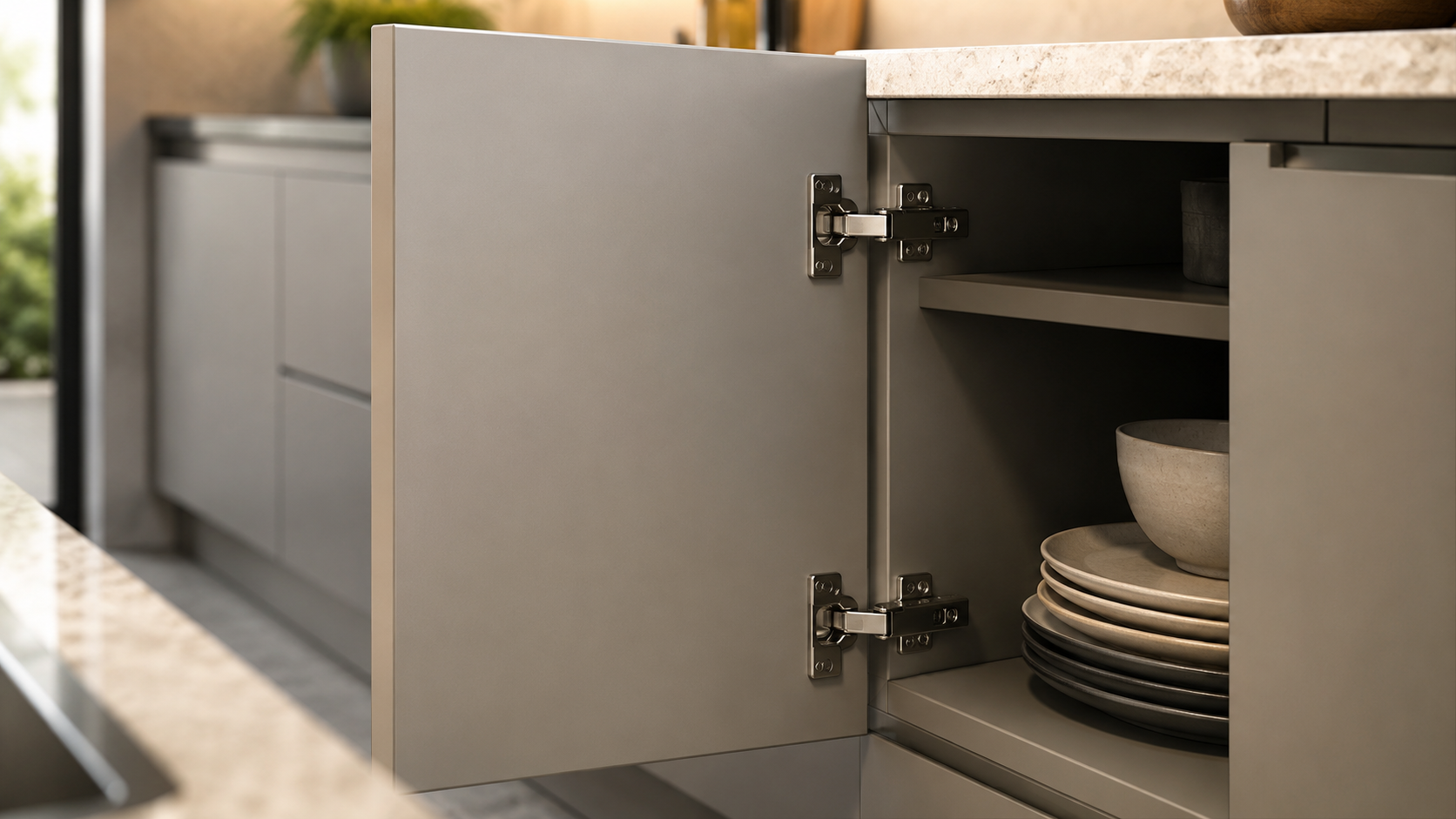
Cabinet doors are opened and closed through a 90-degree swing for 25,000 cycles. The door, hinges and attachment points must continue to operate without visible damage or looseness. In a separate load test, 65 pounds is applied to the door while it is moved through ten cycles and then held under load for ten minutes.
For customers, these details explain why door dimensions and weight need to be matched with suitable hinges, and why drawer hardware should be considered together with the drawer box and expected load. A soft-closing action alone does not describe the strength of the complete assembly.
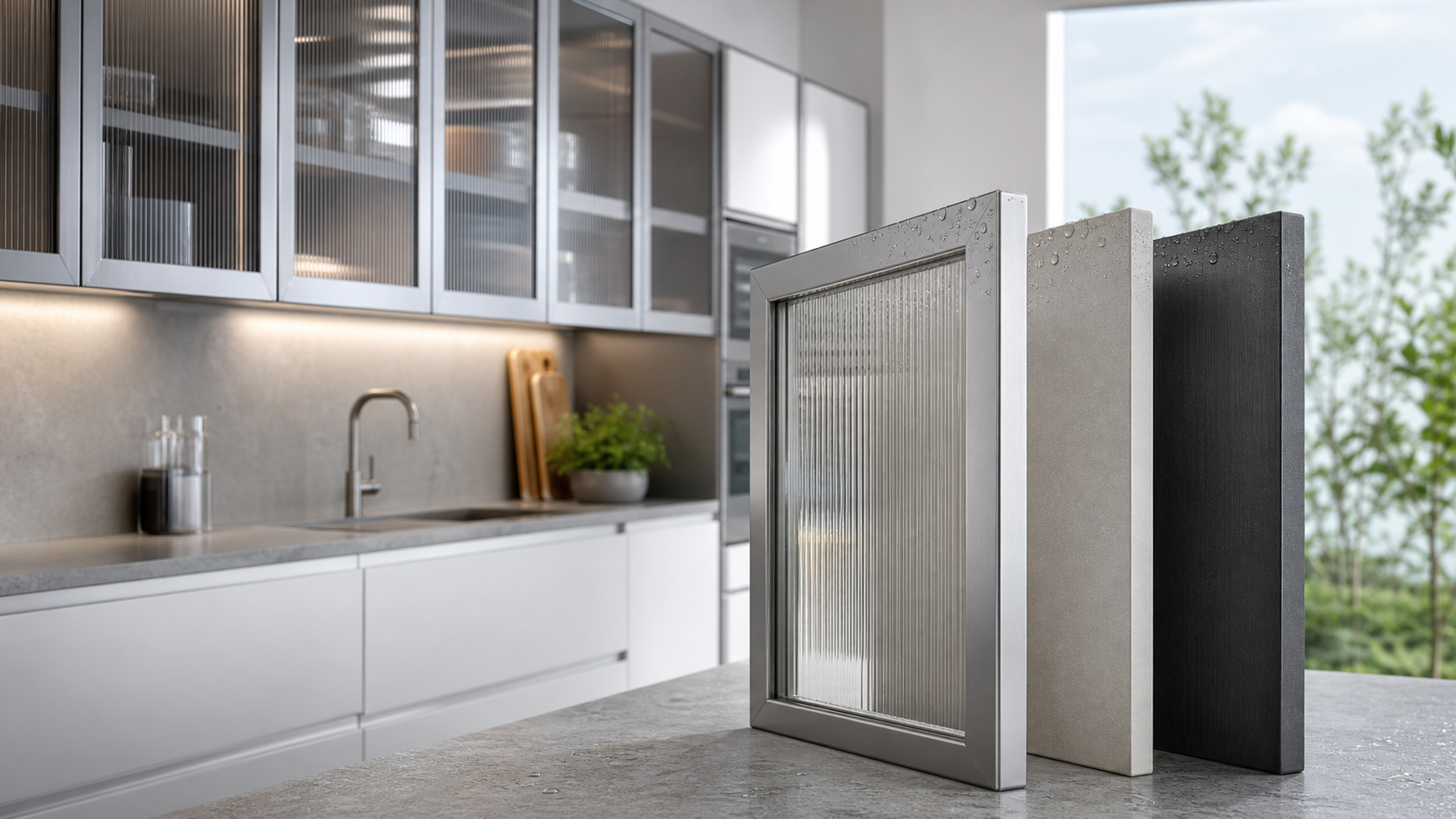
KCMA's finish tests reproduce the cumulative effects of normal kitchen conditions in an accelerated form. The heat test places a cabinet door at 120 degrees Fahrenheit and 70 percent relative humidity for 24 hours. The cold sequence begins in the same hot and humid environment, allows the door to return to room conditions, and then places it at minus 5 degrees Fahrenheit for one hour.
Exterior surfaces are exposed for 24 hours to vinegar, citrus and grape juices, ketchup, coffee, olive oil and 100-proof alcohol; mustard is applied for one hour. A cabinet door edge is also exposed to a standardized detergent formula for four to 24 hours depending on the door type.
These tests do not mean that every finish is maintenance-free. They show that cabinet finish performance should be discussed in terms of real conditions: moisture, heat, food spills, cleaning products, exposed edges and the time a substance remains on the surface.
Customers can compare cabinets more clearly by separating appearance from performance. For structure, ask about shelf span, box construction, joinery and mounting. For drawers and doors, ask about the complete moving assembly rather than the hardware name alone. For finishes, ask which cleaning and care guidance applies to the approved sample.
When selecting custom kitchen cabinets, these categories help keep discussions specific without turning a quality claim into a slogan. Certification status, where claimed, should always be verified against the appropriate program records.
Kitchen Cabinet Manufacturers Association: A161.1 Quality Certification, checked July 12, 2026.