Leather wardrobes can make a bedroom, walk-in closet or boutique storage project feel warmer and more refined. For buyers, the important question is not only whether leather looks premium. The real decision is whether the finish, structure and storage plan match daily use, budget and maintenance expectations.
This guide gives overseas buyers a faster way to compare leather wardrobe options before asking VSME for a project quotation.
Quick Buyer Takeaways
Use leather accents where touch, texture and visual warmth matter most.
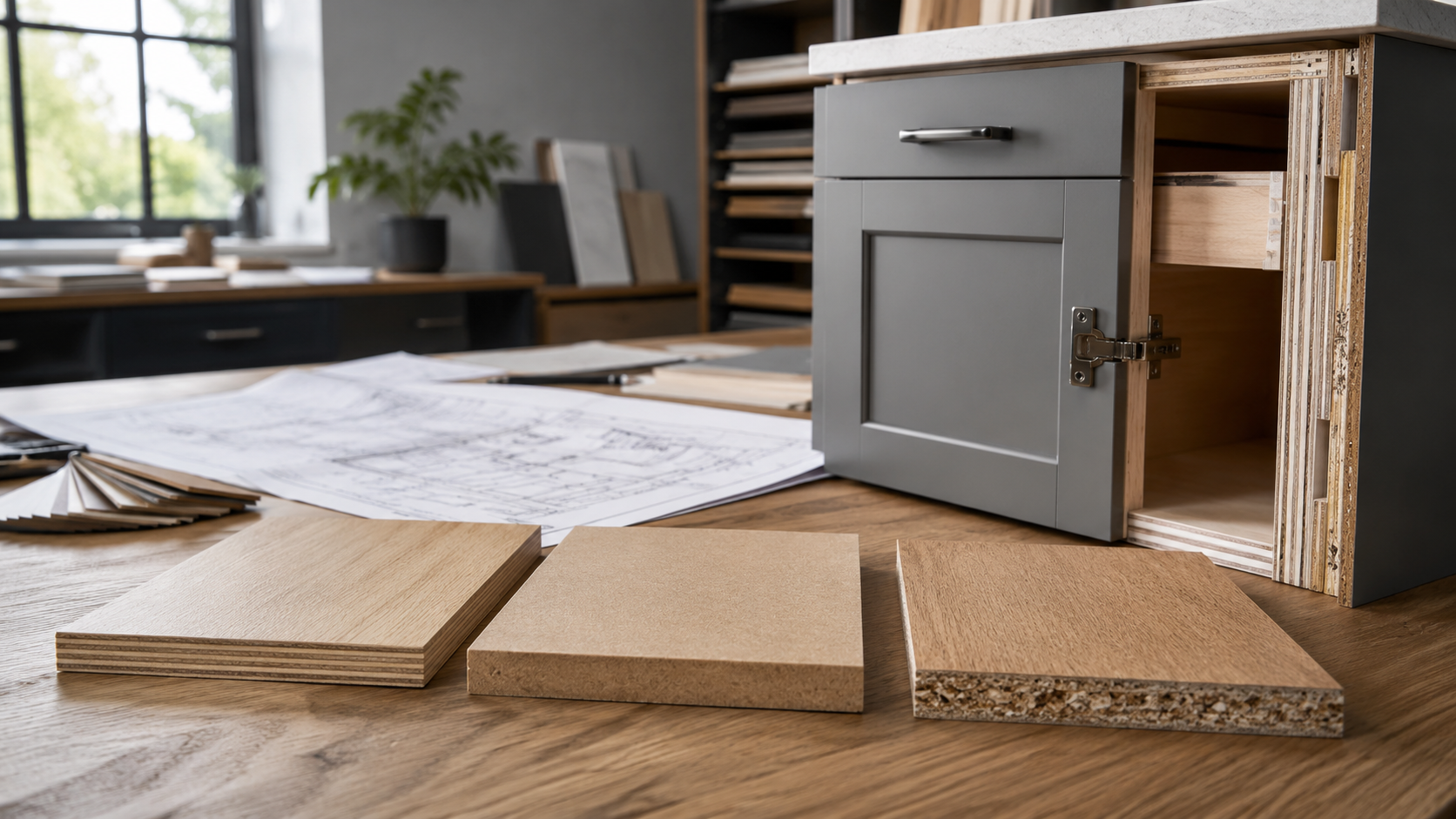
Confirm the cabinet body, door structure, leather finish, hardware and internal storage before quotation.
Ask for clear drawings, dimensions and finish direction so the supplier can quote accurately.
Plan simple maintenance from the beginning, especially in humid or high-use spaces.
Where Leather Wardrobes Work Best
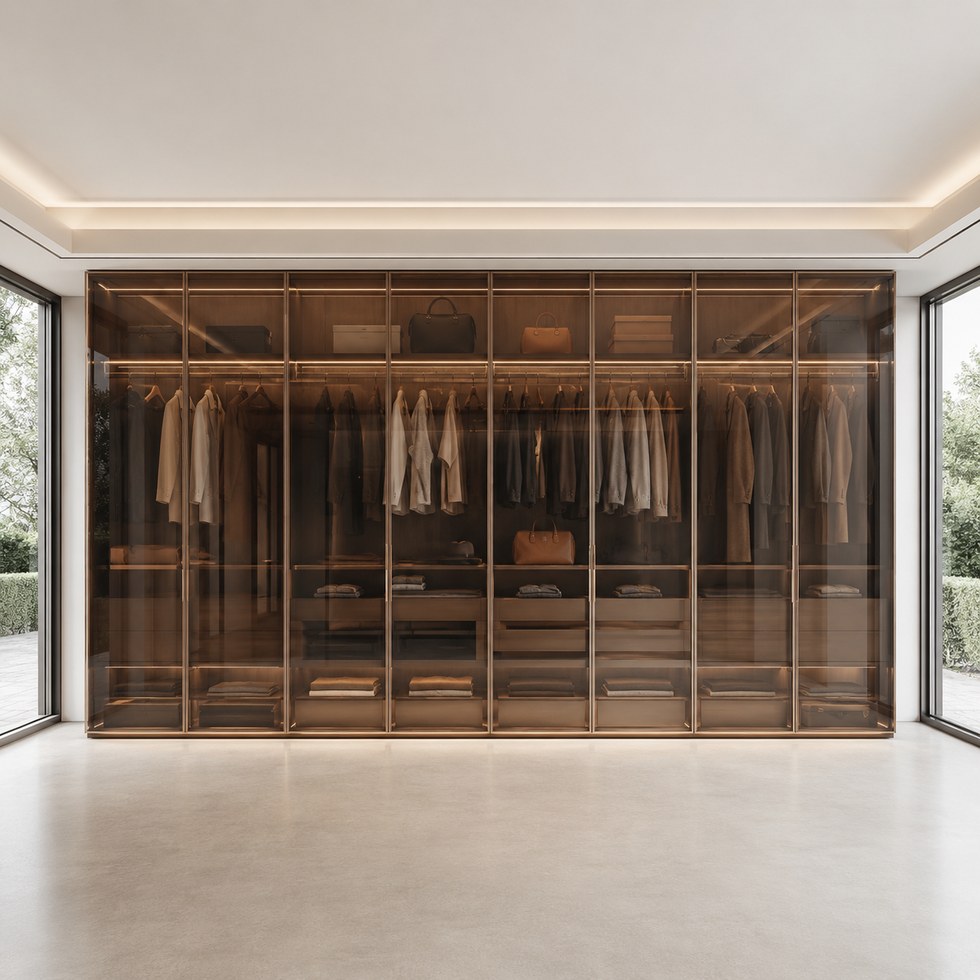
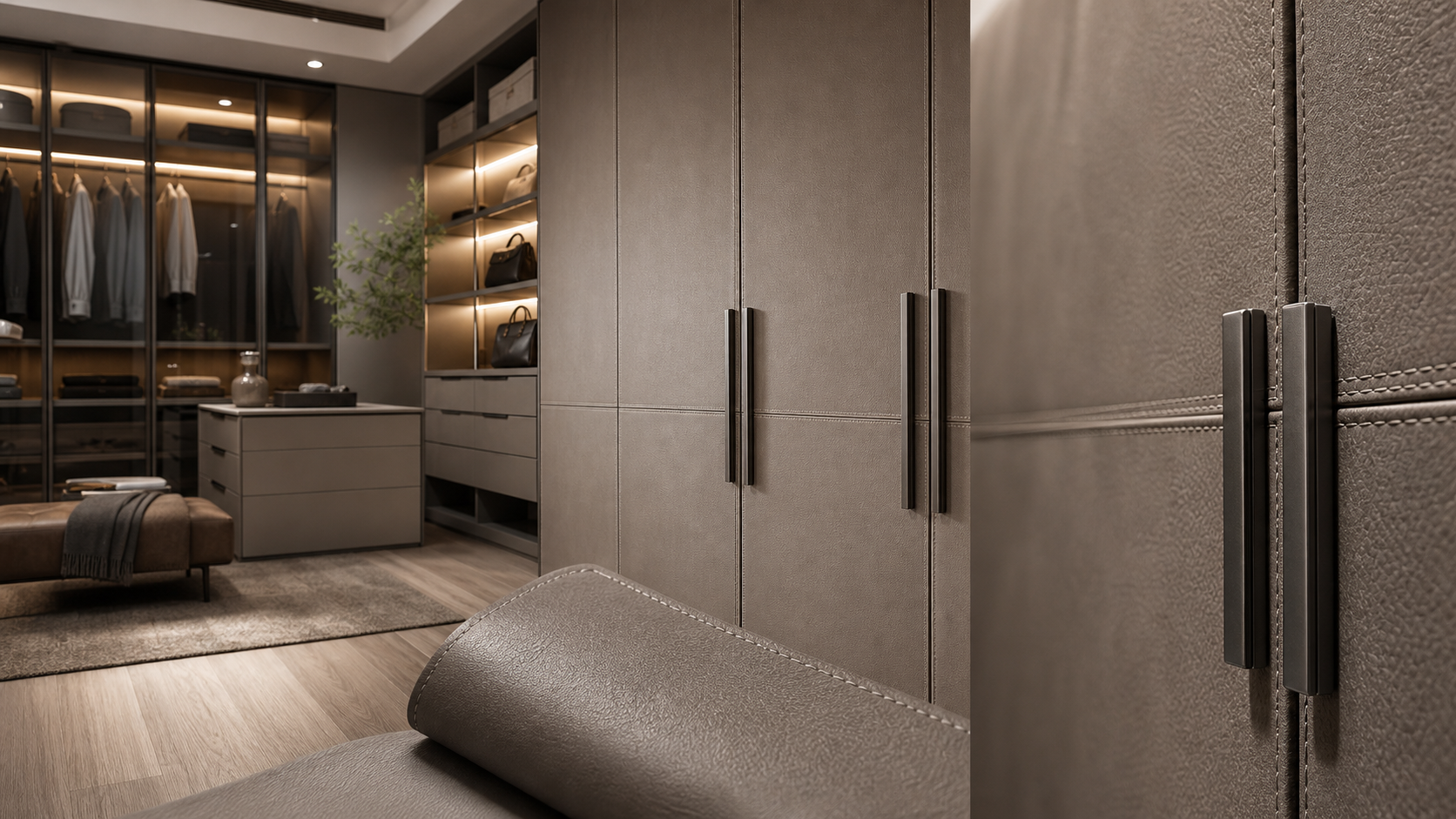
Leather wardrobes are especially suitable for master bedrooms, walk-in closets, villa projects, display wardrobes and high-end apartment storage. They work well when the design needs a softer surface than plain wood, glass or metal.
For a full-room project, leather can be used on wardrobe doors, drawer fronts, panels, handles or selected feature areas. Buyers do not need to cover every surface with leather. A balanced design often looks more refined and is easier to maintain.
What Buyers Should Confirm Before Ordering
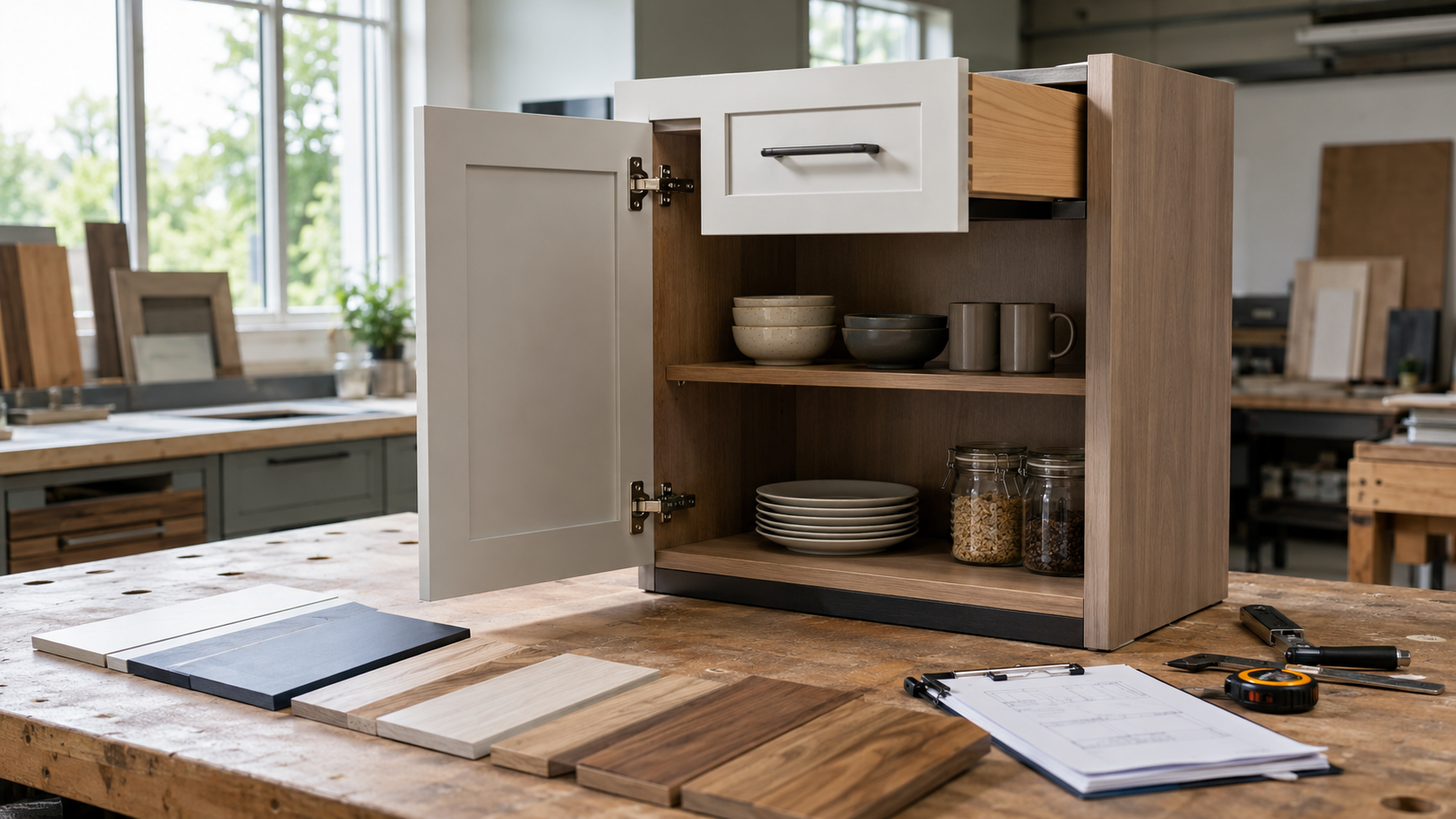
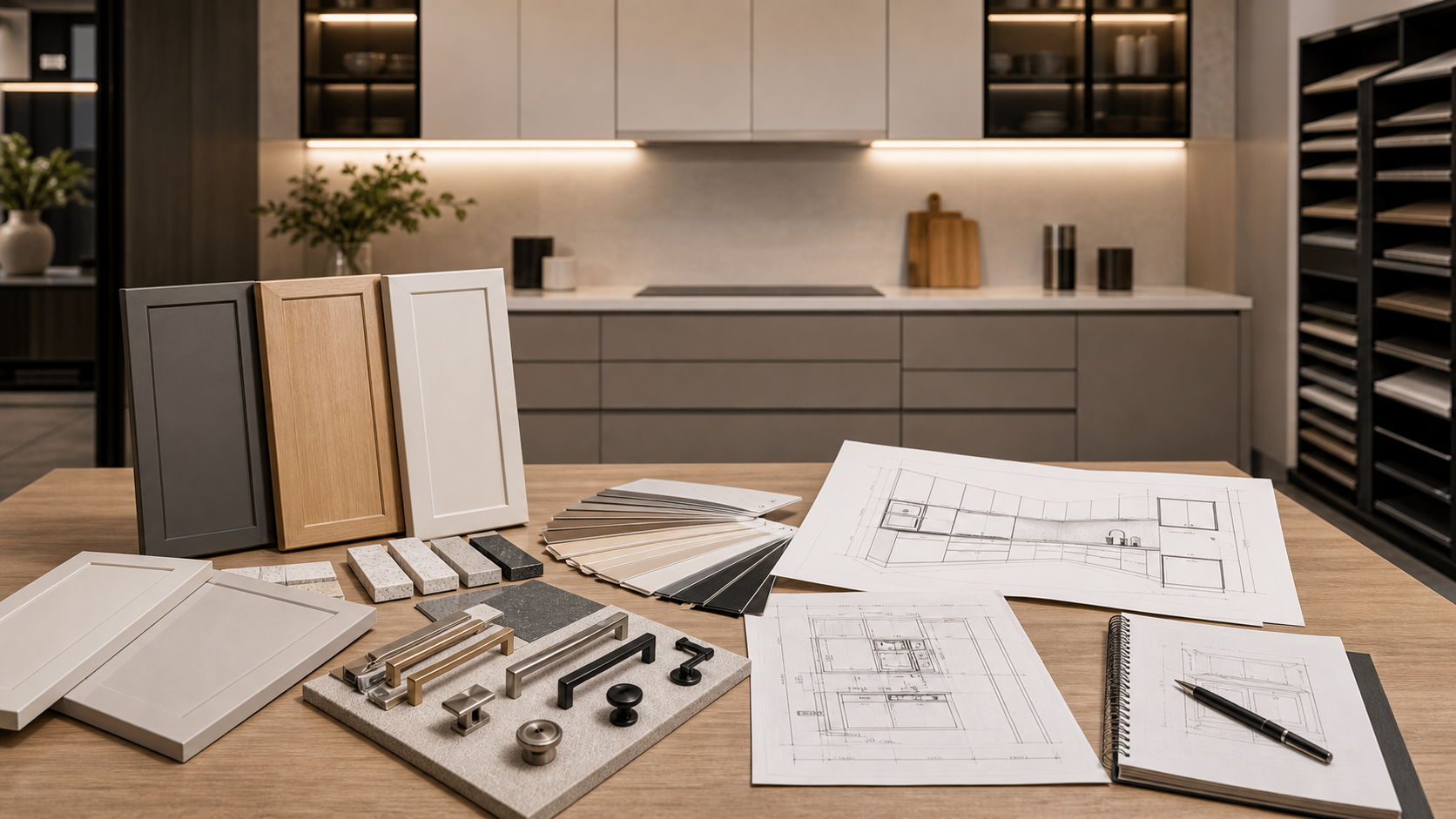
Before requesting a quote, prepare room dimensions, layout drawings, preferred door style, leather color direction, storage requirements, hardware expectations and destination country. These details help the supplier understand both appearance and construction.
It is also useful to clarify whether the wardrobe is for a private home, hotel room, apartment project or retail display. Different spaces may need different durability, packing and installation assumptions.
Care and Maintenance Basics
Leather wardrobe surfaces should be kept away from sharp objects, excessive moisture and harsh chemical cleaners. A soft cloth and gentle cleaning routine are usually enough for daily care.
For project orders, buyers should ask how the leather finish should be protected during packing, shipping and installation. Good protection matters because scratches and pressure marks are easier to avoid before the product reaches the site.
How Leather Compares With Other Cabinet Finishes
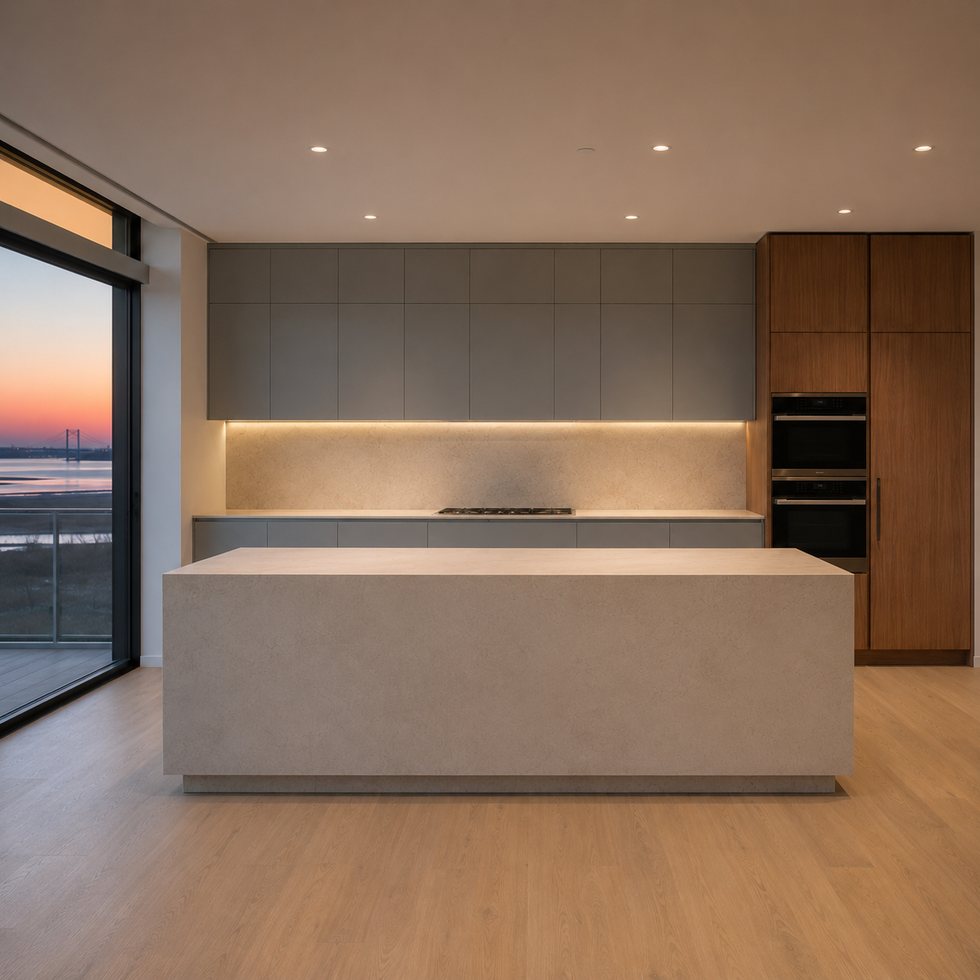
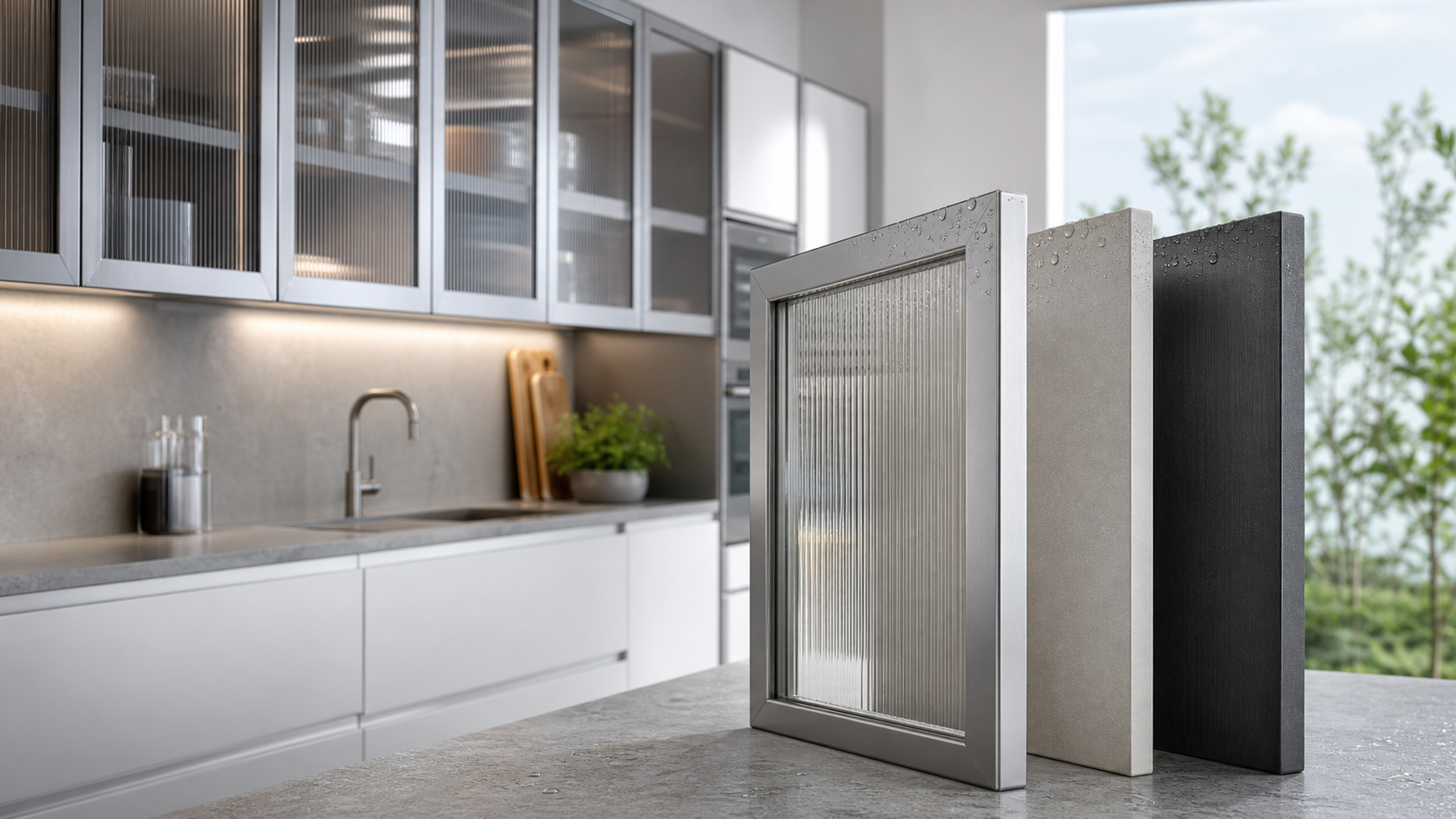
Leather gives a warmer and more tactile feeling than many painted or laminated surfaces. However, PET, lacquer, wood veneer, glass and aluminum may be better choices when the priority is scratch resistance, moisture resistance, high gloss, transparency or a lighter budget.
A practical wardrobe specification can combine several materials. For example, leather details can be paired with glass doors, wood-look panels, interior lighting and metal hardware to create a complete storage system.
Recommended Inquiry Path
Start by reviewing the VSME product range, then prepare drawings or room dimensions and share your preferred finish direction. If you are comparing multiple wardrobe materials, explain the project type and target budget so the quotation can be more useful.
Are leather wardrobes suitable for project orders?
Yes, when the project needs a premium texture and the buyer confirms the finish, structure, packing and maintenance requirements before production.
Is leather suitable for every wardrobe surface?
Not always. Many projects use leather as an accent or feature finish, combined with other cabinet materials for cost, durability and design balance.
What information helps VSME quote a leather wardrobe?
Room dimensions, drawings, quantity, finish direction, door style, hardware needs, internal storage details and destination country are the most useful starting points.
We use cookies to offer you a better browsing experience, analyze site traffic and personalize content. By using this site, you agree to our use of cookies.Privacy Policy