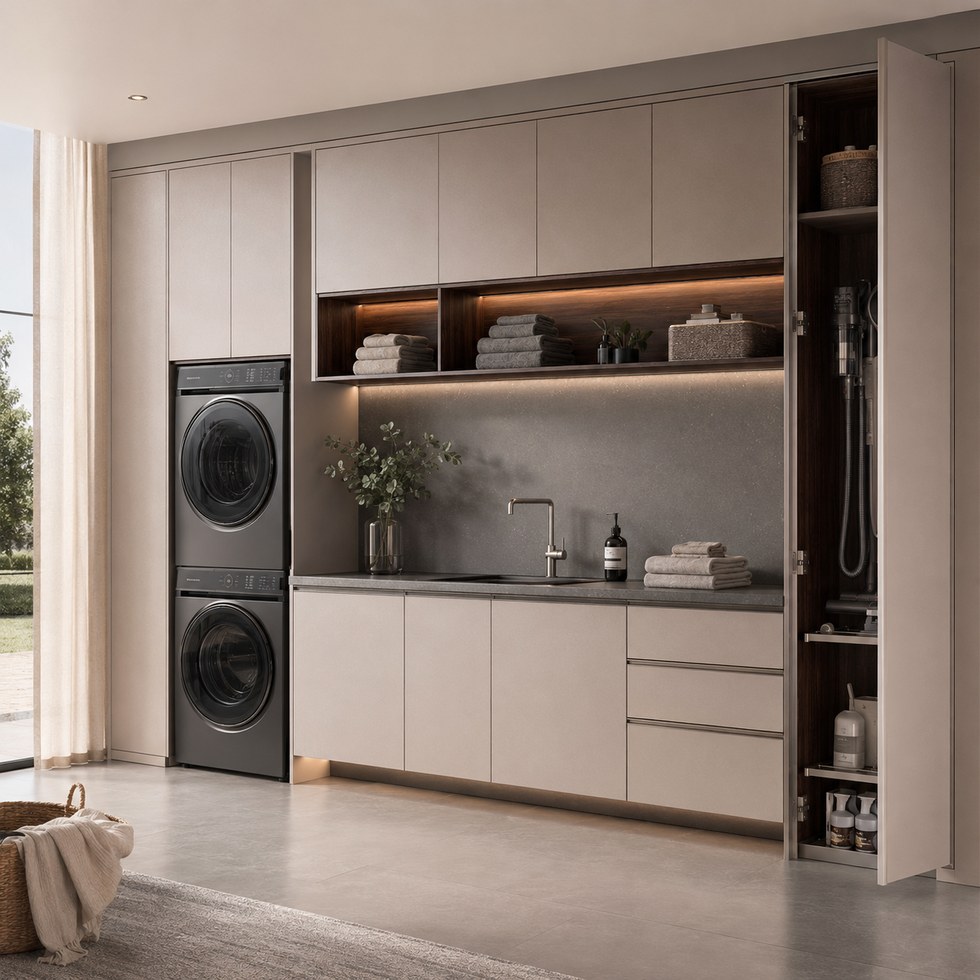
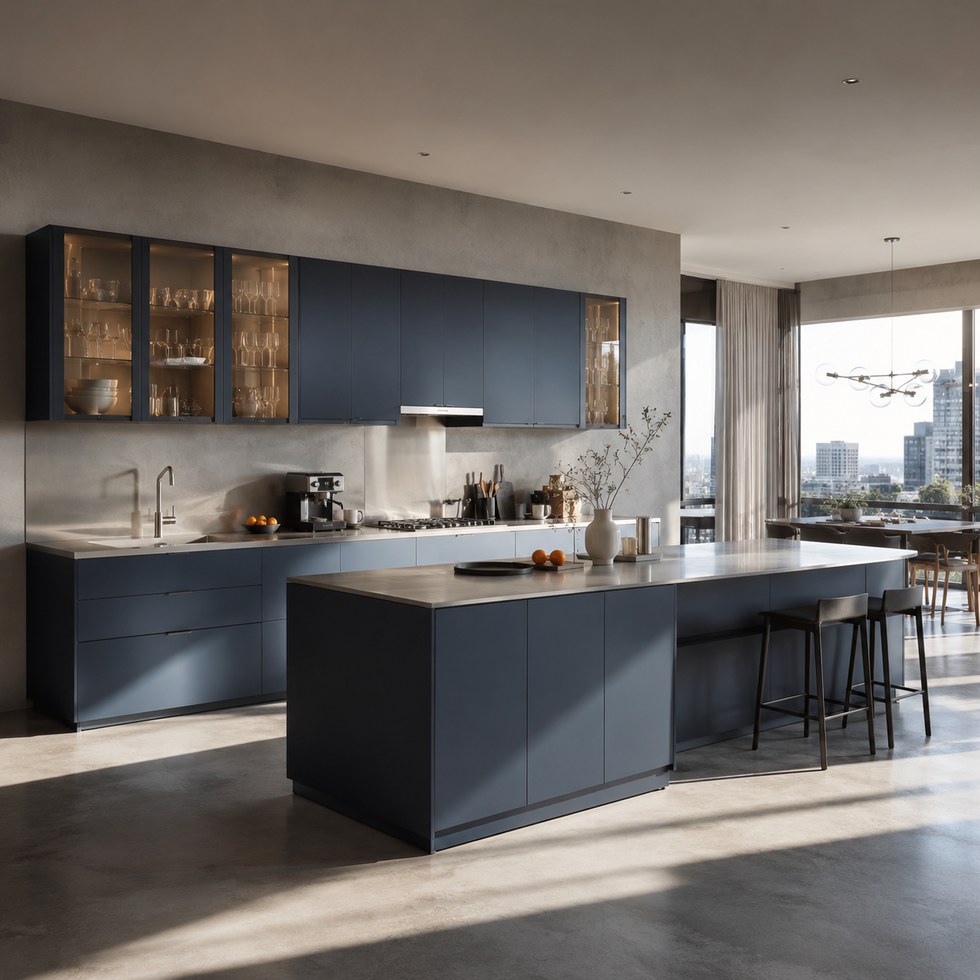
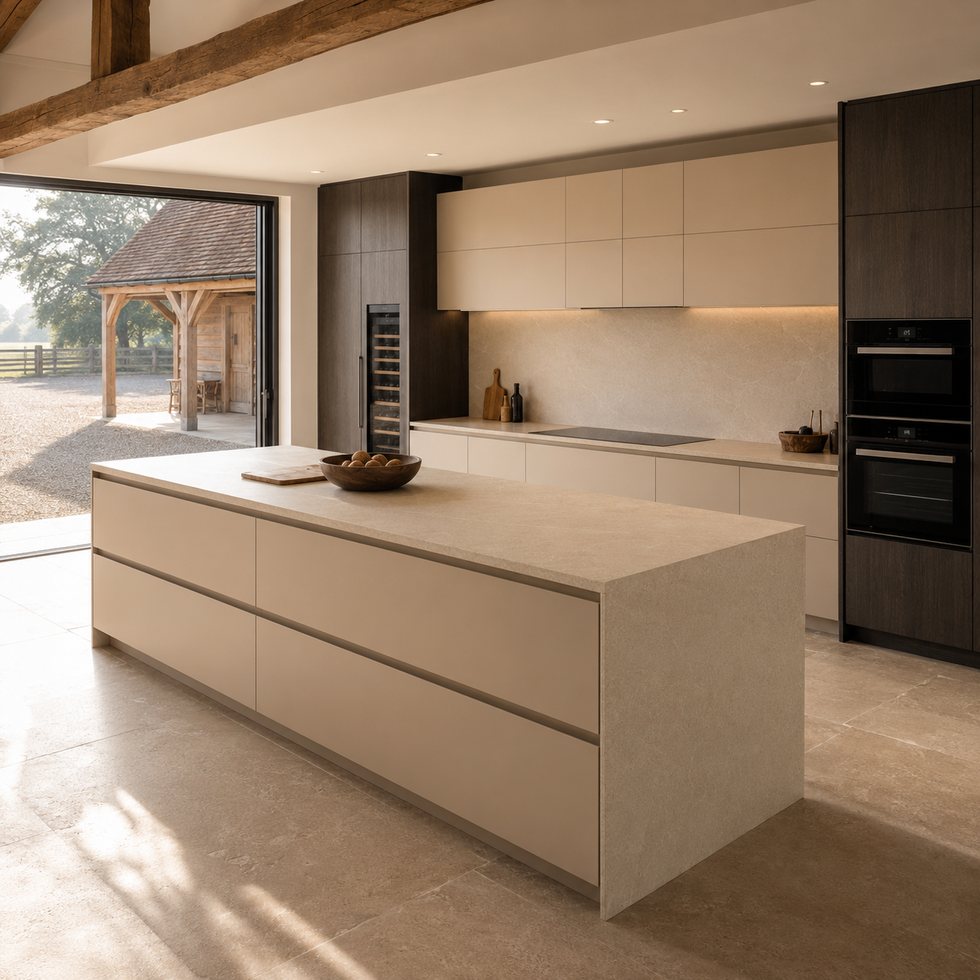
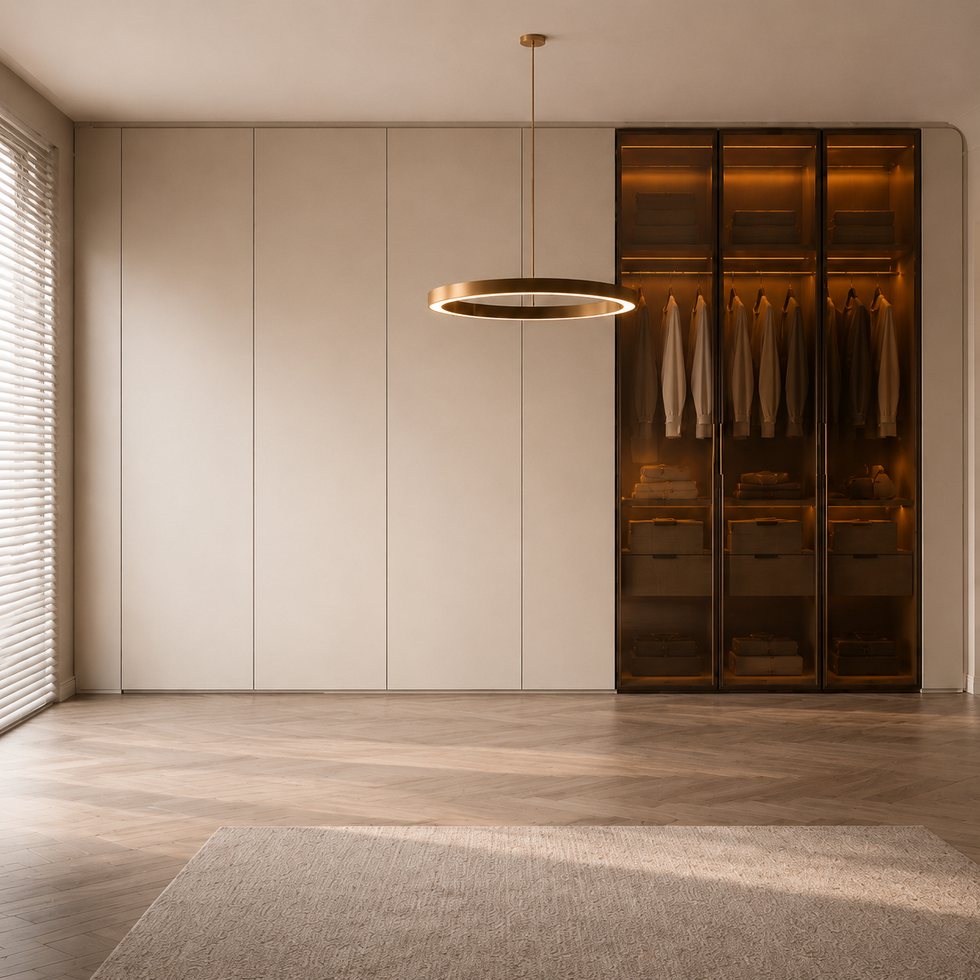
Short answer: yes, custom cabinets can be imported from China to Canada, but plan three things that most quotes leave out. First, duty: Canada has no free trade agreement with China, so the Most-Favoured-Nation rate applies, which is listed at 9.5% for wooden kitchen furniture, plus GST and any provincial sales tax. Second, the importer side: since CARM, importers need their own CBSA account and, to get goods released before payment, their own financial security. Third, formaldehyde: cabinets containing MDF, particleboard or plywood must meet Canada's composite wood regulations, including bilingual labels.
This page walks through the import in order and shows who usually handles each step. It is a practical checklist for homeowners, builders and designers. It is not legal or customs advice for a specific shipment, so confirm the details with a licensed customs broker.
Duty and taxes
Customs duty. Wooden kitchen furniture (tariff item 9403.40.00.90) is listed at 9.5% under the MFN tariff in the Canadian Customs Tariff. Wardrobes, vanities and other items may use different tariff items, so ask your broker to classify each one.
Metal-framed cabinets. Since October 2024, Canada has applied surtaxes to certain steel and aluminium products from China, and in 2025 it extended surtaxes to some goods made with Chinese steel or aluminium. If your order includes stainless steel or aluminium cabinets, frames or profiles, ask your broker whether a surtax applies to the tariff items involved.
GST and provincial tax. 5% GST is charged on the duty-paid value. Depending on your province, HST or provincial sales tax may also apply.
Other costs. Allow for broker fees, port and terminal charges, inland rail or trucking (for example from Vancouver to the Prairies or Ontario) and final delivery. Ask your forwarder for an itemised landed-cost quote.
The import sequence at a glance
Step
What happens
Who usually does it
When
1. Set up as an importer
Business number with an import-export (RM) account, CARM Client Portal access, broker authorised, financial security if using release prior to payment
You (or your company), with your broker
Before shipping
2. Freeze the order
Drawings, cabinet list, board and finish, hardware, label requirements
Goods and labels checked against the drawings before the balance is paid
You, your agent or an inspection company
End of production
6. Ocean freight
Shared (LCL) or full container to a Canadian port, then rail or truck inland
Your forwarder (FOB) or the factory (CIF/DDP)
Ask your forwarder for the current schedule
7. Customs release and accounting
Release requested, duty and taxes accounted for through CARM
Your customs broker
On arrival
8. Delivery and installation
Unpacking, installation by local trades, countertop templating
Your installer and transport company
After release
CBSA's CARM notice explains why importers can no longer rely on their broker's security for release prior to payment. Our lead time guide explains how the production clock is counted.
Certified panels only. The panels inside the cabinets must be certified to the emission limits. Panels already certified under the U.S. TSCA Title VI programme meet Canada's certification requirement.
Bilingual labels. Finished goods need a label in English and French on the product, its bundle or its packaging. Agree the label text and position before production.
Importer records. Importers of finished goods have record-keeping duties and must be able to give the government information about the panels used when asked. Ask the factory for the panel producers' certification documents for the boards actually used, not a generic certificate.
Our U.S. import checklist explains TSCA Title VI documentation, which is closely related.
Wood packaging and documents
ISPM 15. Solid-wood pallets, crates and dunnage must be treated and marked to ISPM 15 under CFIA rules.
Documents. The commercial invoice (or Canada Customs Invoice), packing list, bill of lading and compliance records should describe the same goods, quantities and parties.
What we handle on the export side
For Canadian orders, VSME (Foshan Moyisi Home Furnishings Co., Ltd.) prepares shop drawings for your approval, builds and trial-assembles the cabinets in our Foshan factory of over 10,000 m², packs the modules and fittings by room, prepares the export documents and loads at Nansha, Guangzhou. We can apply the English–French formaldehyde labels required for Canada. Tell us at quotation stage that the order is for Canada, so the labels and the board documentation are planned before production. You are welcome to send an inspector before the balance payment. We can quote FOB, CIF or DDP. Under DDP, check in writing who acts as importer and whose CARM account and security are used. Prices are explained in our cost guide, and our factory verification checklist covers what to check before any deposit.
Frequently asked questions
What is the duty on kitchen cabinets imported from China to Canada?
Wooden kitchen furniture is listed at 9.5% under the MFN tariff, plus 5% GST and any provincial tax. Metal-framed cabinets may also be affected by steel or aluminium surtaxes. Ask your broker to confirm the tariff item for each piece.
Do cabinets imported into Canada need formaldehyde labels?
Yes. Finished goods containing composite wood products need an English and French label on the product, bundle or packaging, and the panels must be certified to Canada's emission limits.
Why does a wardrobe starting price look so different from the final quote?
No. VSME's minimum order is USD 5,000, and a single home's cabinets can ship in a shared (LCL) container or a 20 ft container.
Rates and rules checked against Canadian government sources in November 2026. Tariff rates, surtaxes and regulations change; confirm them for your shipment before ordering.
We use cookies to offer you a better browsing experience, analyze site traffic and personalize content. By using this site, you agree to our use of cookies. Privacy Policy