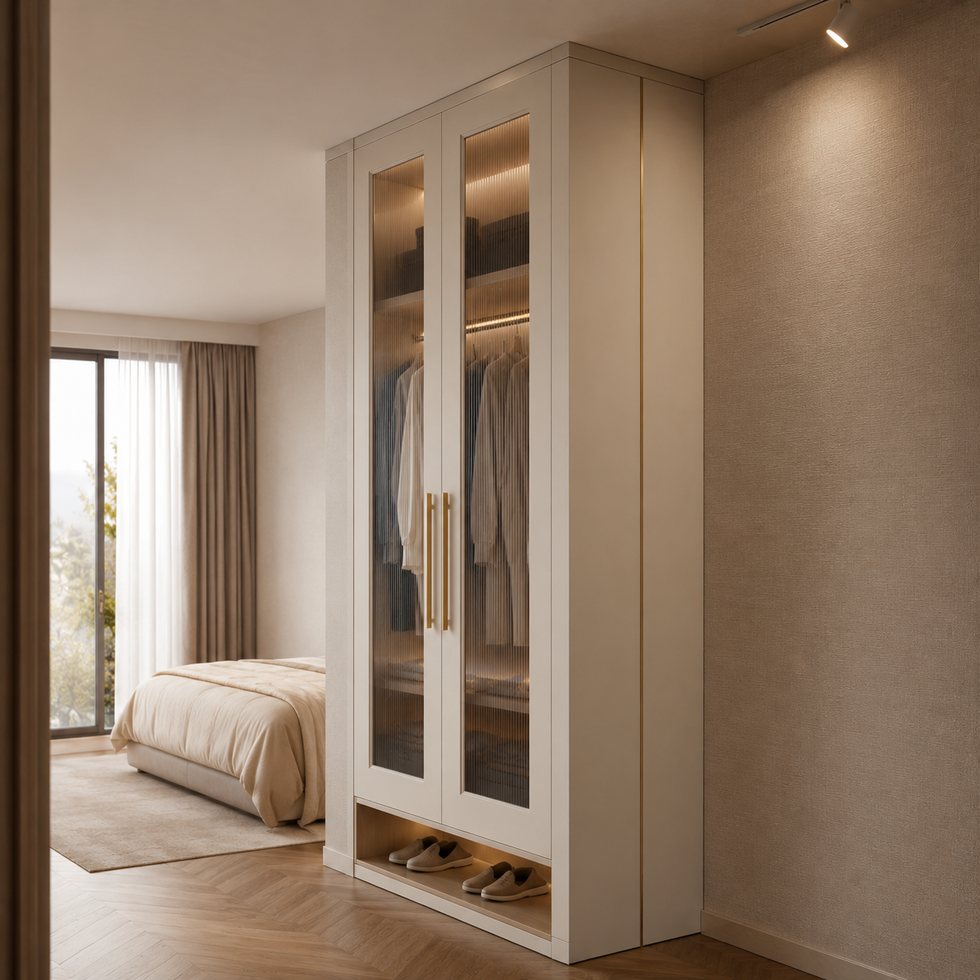
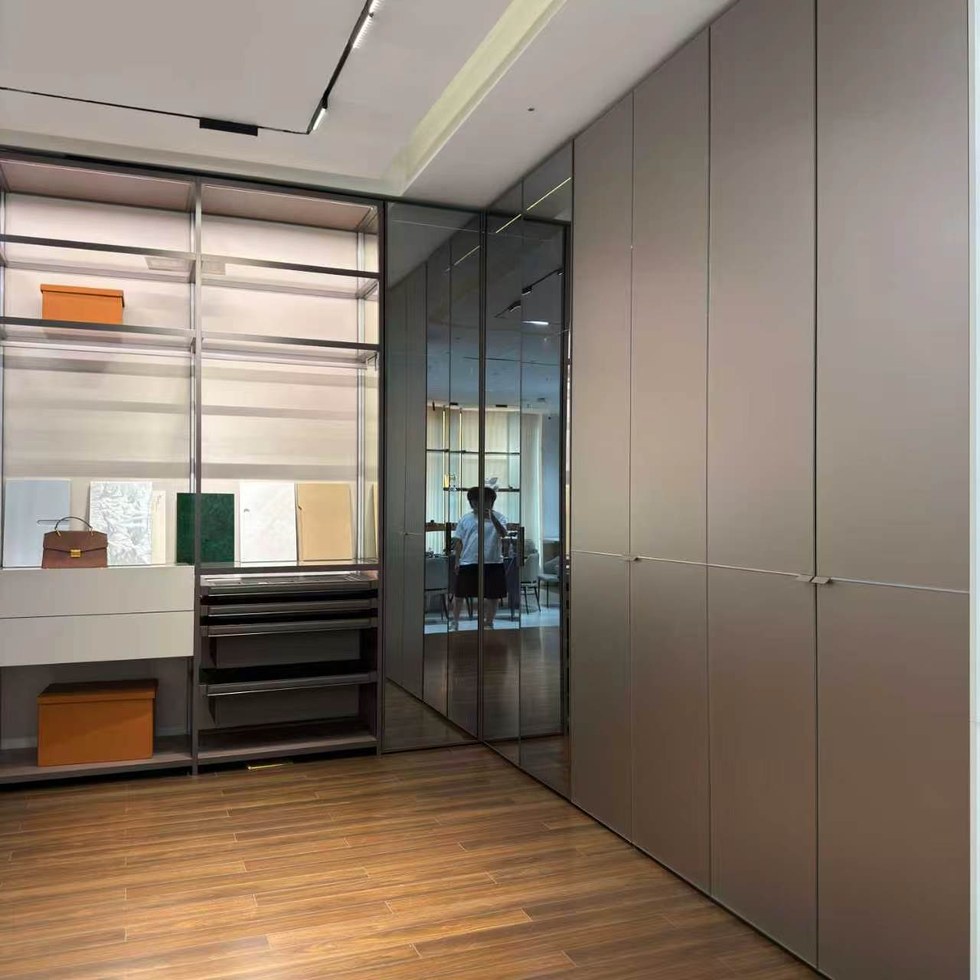
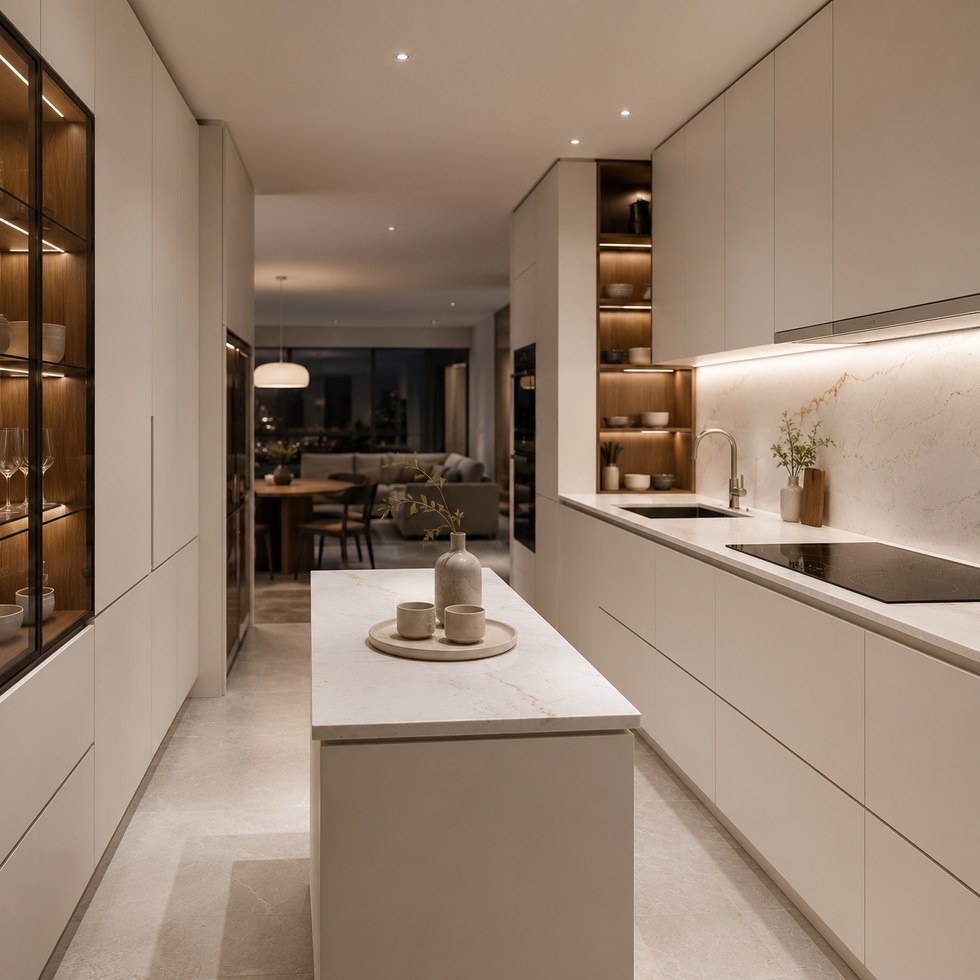
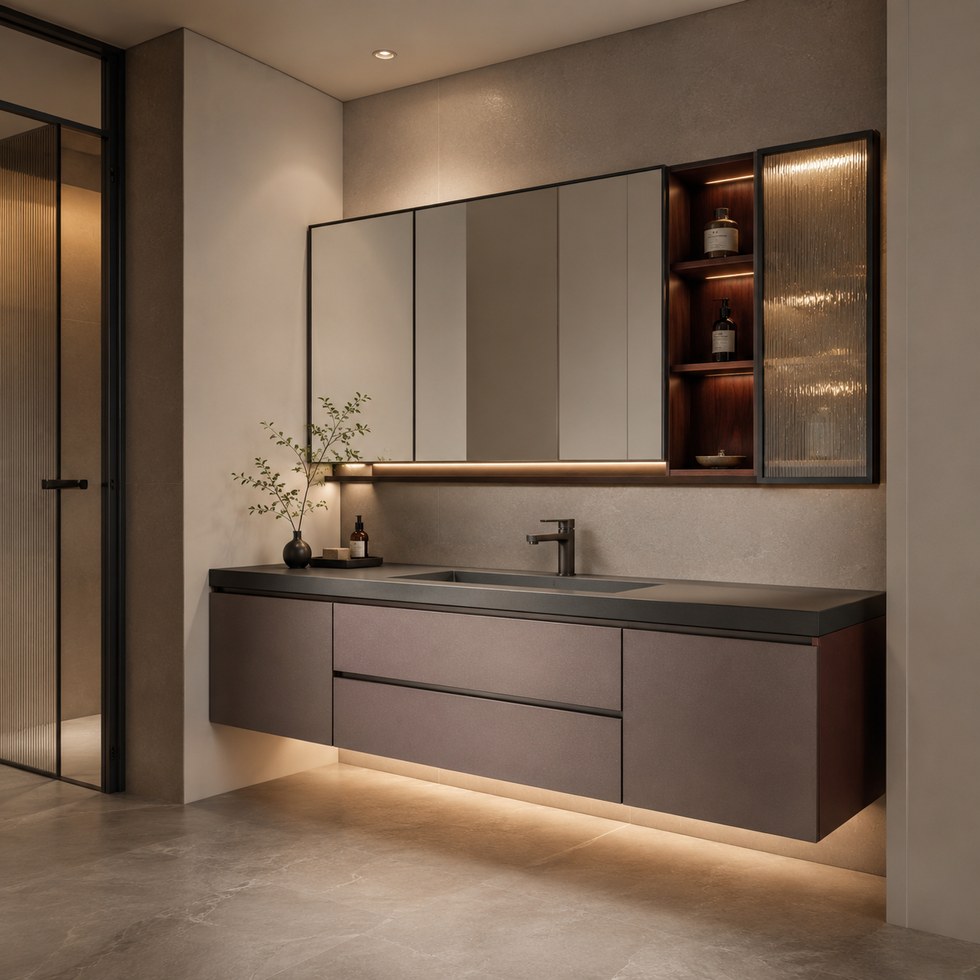
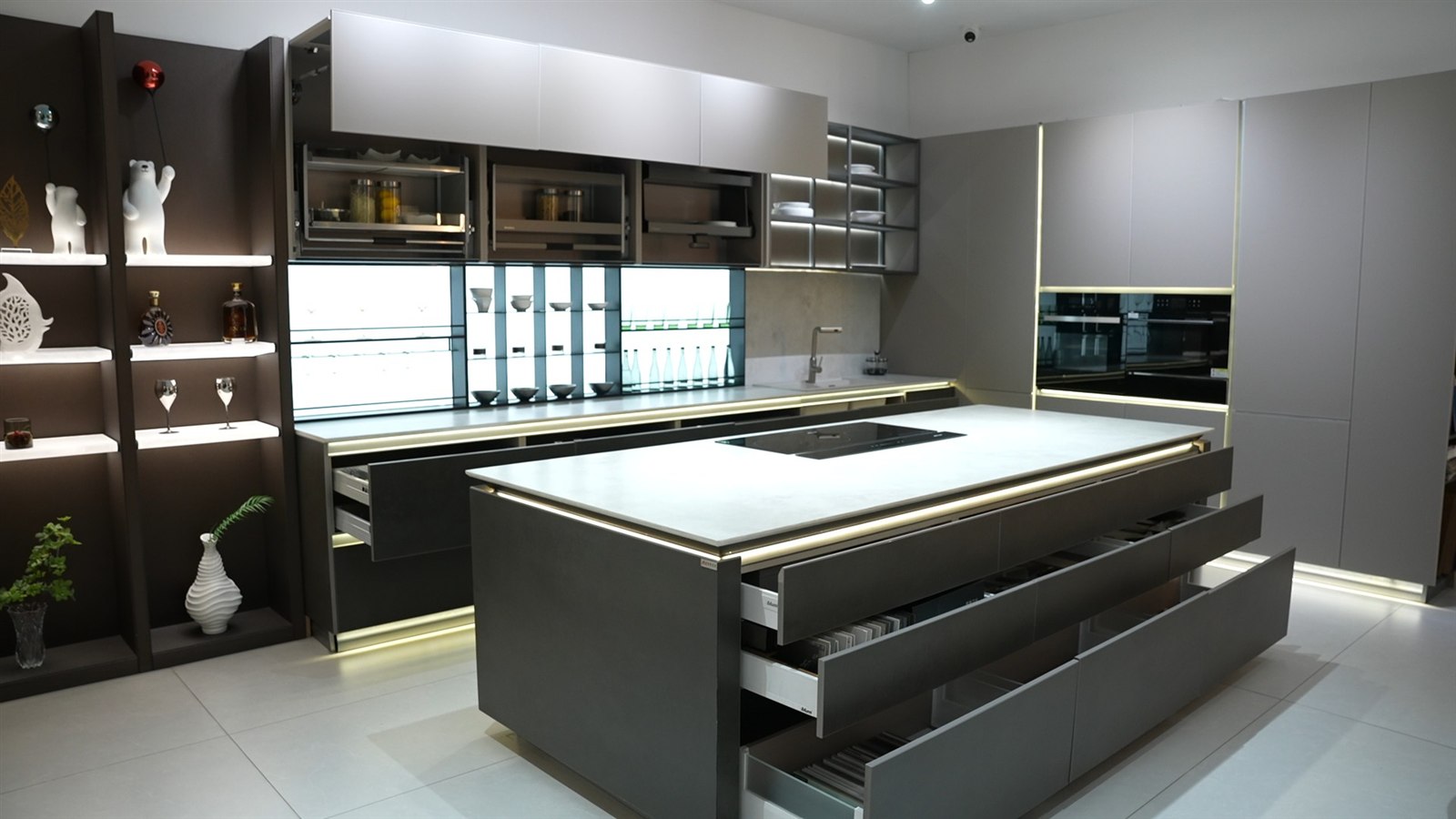
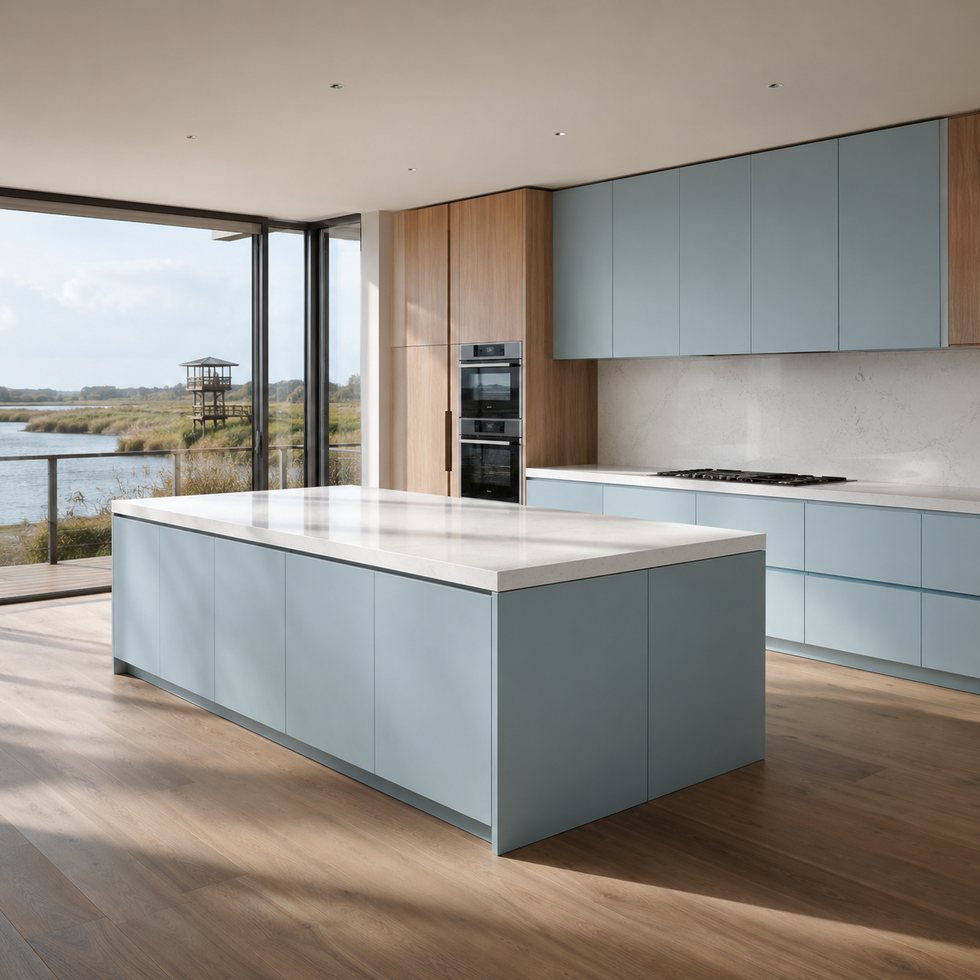
Short answer: for a single home, buy the fitted cabinetry — kitchen, wardrobes, vanities — directly from a factory that makes it, because those pieces must match your drawings to the millimetre and you want the maker to be accountable. Use a sourcing agent if you are visiting Foshan to buy loose furniture, and a trading company if your order is mostly mixed building materials such as tiles, windows and sanitaryware. Many buyers combine a factory for the joinery with consolidated loose furniture in the same container.
When planning to import cabinetry and furniture from China for a private home, most buyers encounter three common purchasing routes: ordering factory-direct, working through an export trading company, or hiring a sourcing agent. Most industry guides discuss these models in the context of commercial developments or bulk container buying. But for an individual homeowner furnishing a single residence, the decision comes down to a simpler question: What are you actually paying each type of partner to do, and who is truly accountable if something arrives damaged or mismeasured?
A single-home order is fundamentally different from a commercial contract. It combines tight room dimensions, personal styling preferences, and mixed categories—from custom kitchen cabinets and built-in wardrobes to loose sofas and dining suites. Each sourcing route handles this mix differently, balancing convenience, technical responsibility, and commercial risk in distinct ways.
1. What You Are Actually Buying: The Three Core Channels
Before requesting quotes or sending architectural drawings, it helps to understand what each intermediary actually does on the ground in China.
Channel 1: Pure Factory-Direct
In a direct factory relationship, you purchase from the manufacturer rather than engaging a separate procurement representative.
What works well: The quotation comes from the manufacturer; ask which procurement or export services are included in its price. More importantly, technical questions about panel thicknesses, hardware clearances, or special finishes are addressed directly by the manufacturer’s drafting and production staff, reducing translation errors.
What to consider: Factories produce what their machinery is set up to make. A panel cabinetry plant rarely builds custom sofas or dining chairs. If you choose to buy factory-direct across multiple distinct categories, you become the coordinator responsible for synchronizing delivery dates, arranging regional trucking, and managing consolidated export loading. In addition, some manufacturers focus on larger orders, so check the actual order threshold.
Channel 2: Export Trading Companies
A trading company acts as an independent exporter that sources products from various third-party workshops and packages them under a single commercial invoice and bill of lading.
What works well: Administrative simplicity. A trading company can easily bundle different categories—such as built-in cabinetry, loose seating, vanity mirrors, and architectural lighting—into a single export shipment, managing export declarations and overseas shipping logistics under one roof.
What to consider: Communication passes through an extra commercial layer. If a trading company lacks dedicated in-house technical staff, detailed inquiries about cabinet clearances, plumbing cutouts, or specific runner models may be passed back and forth to an undisclosed factory floor. If a piece arrives with an incorrect dimension, clarifying whether the mistake originated in the translation, the drawing, or the fabrication can become a prolonged dispute.
Channel 3: Independent Sourcing Agents
A sourcing agent or buying consultant acts as your local representative, typically charging a daily accompaniment rate, a project management fee, or an agreed percentage on orders placed.
What works well: On-the-ground presence. If you plan an in-person shopping trip to Foshan, an experienced bilingual agent can guide you through sprawling exhibition centers like Lecong, translate during showroom visits, compile order notes, and help track down supplier quotes.
What to consider: An agent’s service can range from market visits to ongoing order management. Check whether technical review, inspection and help with replacements are included, and who will carry them out.
2. Comparing the Channels for a Single-Home Project
No sourcing channel is universally superior; their value depends on your project’s balance of custom fitted joinery versus ready-made loose furniture, and how much time you want to spend managing details.
Evaluation Factor
Direct Factory
Trading Company
Sourcing Agent
Direct Technical Communication
Direct with the production drafting team; revisions are resolved at the source.
Depends on the firm; technical queries often pass through sales reps to third-party plants.
Ask whether the service includes technical support or only coordinates communication.
Handling Multiple Categories
Limited to the factory's own equipment unless consolidation services are specifically offered.
High; can source across diverse, unrelated product lines under one invoice.
Broadest flexibility; can assist across any open showroom or market in the area.
Cost Structure
Factory-gate pricing, without third-party procurement margins.
Quotation includes the trading firm's commercial margin and operational handling.
Net vendor prices plus an agreed daily consulting fee or project service commission.
Single-Home Suitability
Requires finding a factory with an accessible order threshold (e.g., minimum order value rather than container counts).
Generally flexible, provided the total combined order value meets their business threshold.
Highly flexible; practical for guided market walkthroughs and piecemeal furniture buying.
Defect & Dimension Accountability
Direct contractual recourse with the actual fabricator.
Recourse lies with the exporter, who must negotiate resolution with the subcontractor.
Check the service agreement and identify who sells the goods and handles any replacement request.
3. The Practical Hybrid: Factory-Direct Joinery with Consolidation
Built-in cabinetry must fit the room, while loose furniture still needs to fit the space and delivery access. That difference can affect how much design and coordination support you need.
Because of this distinction, many private buyers opt for a hybrid arrangement: contracting a capable custom joinery manufacturer directly for all precision millwork, while coordinating loose furniture and accent pieces into the same shipping container. Compare the services actually included before deciding whether a separate agent would add value. See our one whole-house supplier versus specialist factories guide for the product-scope comparison.
4. How to Choose the Right Route for Your Build
To identify the best procurement partner, look at the nature of your order list:
Choose a Sourcing Agent If:
You are traveling to Foshan for several days and want a guided tour of the furniture markets in Lecong and Longjiang.
Your order consists primarily of standard, loose furniture (sofas, armchairs, dining suites, beds) where custom wall-to-wall millimeter measurements are not critical.
You have already engaged a local cabinetmaker at home for the kitchen and bathrooms, and only intend to buy freestanding accent pieces in China.
Choose a Trading Company If:
Your order encompasses heavy, diverse construction commodities (such as containers of floor tiles, sanitary ceramics, aluminum windows, and hardware) alongside basic cabinetry.
You prefer a single commercial contract covering entirely unrelated manufacturing sectors and are comfortable paying an integrated margin for consolidated handling.
Choose a Direct Joinery Manufacturer (or Hybrid Integrator) If:
Your home requires tailored, full-height cabinetry, matching internal doors, and wall paneling where finish consistency and dimensional accuracy are paramount.
You want to review detailed 2D shop drawings directly with technical detailers to freeze appliance cutouts, plumbing clearances, and scribing tolerances before production starts.
You want factory pricing for your joinery while retaining the flexibility to stage and load matching living or dining furniture into your shipment.
5. Sourcing with VSME (Foshan Moyisi)
Editorial Note: This guide is published by VSME, the cabinetry brand of Foshan Moyisi Home Furnishings Co., Ltd. We operate a dedicated custom panel cabinetry manufacturing workshop in Foshan, Guangdong, serving private residential clients and boutique builders via moyisihome.com and vsmehome.com.
To help overseas single-home buyers navigate China’s supply chain smoothly, our operating model pairs factory-direct manufacturing with practical residential terms:
Accessible Residential Order Minimum: Our published minimum order threshold is USD $5,000 per order. A single kitchen or combined-room order can be assessed against that threshold using its actual quotation.
Direct Engineering Collaboration: Our published range includes custom kitchens, wardrobes, vanities and door/wall systems, with panel cabinetry made at our own Foshan factory. The proposal should identify the offered products and scope.
Cross-Docking & Consolidation Support: For a combined order, discuss which additional products can be coordinated, how they will be packed, and the services and charges included in the proposal.
Clear Commercial Terms: Standard cabinetry production typically runs about 45–55 days after payments reach 50% of the order value. Payments are structured cleanly: a deposit to start production, and the balance before shipment; agree the inspection arrangements in the quotation.
Choosing between a factory, a trader, or an agent is not about finding the single "best" label—it is about matching your project’s technical complexity to the right channel. If your build centers on custom architectural fit and direct accountability, direct manufacturer collaboration can be a practical choice.
Tell us your rooms and wall dimensions, or send your floor plan on WhatsApp. We reply with an itemised quote that you can compare with a trading company or agent quote.
We use cookies to offer you a better browsing experience, analyze site traffic and personalize content. By using this site, you agree to our use of cookies. Privacy Policy