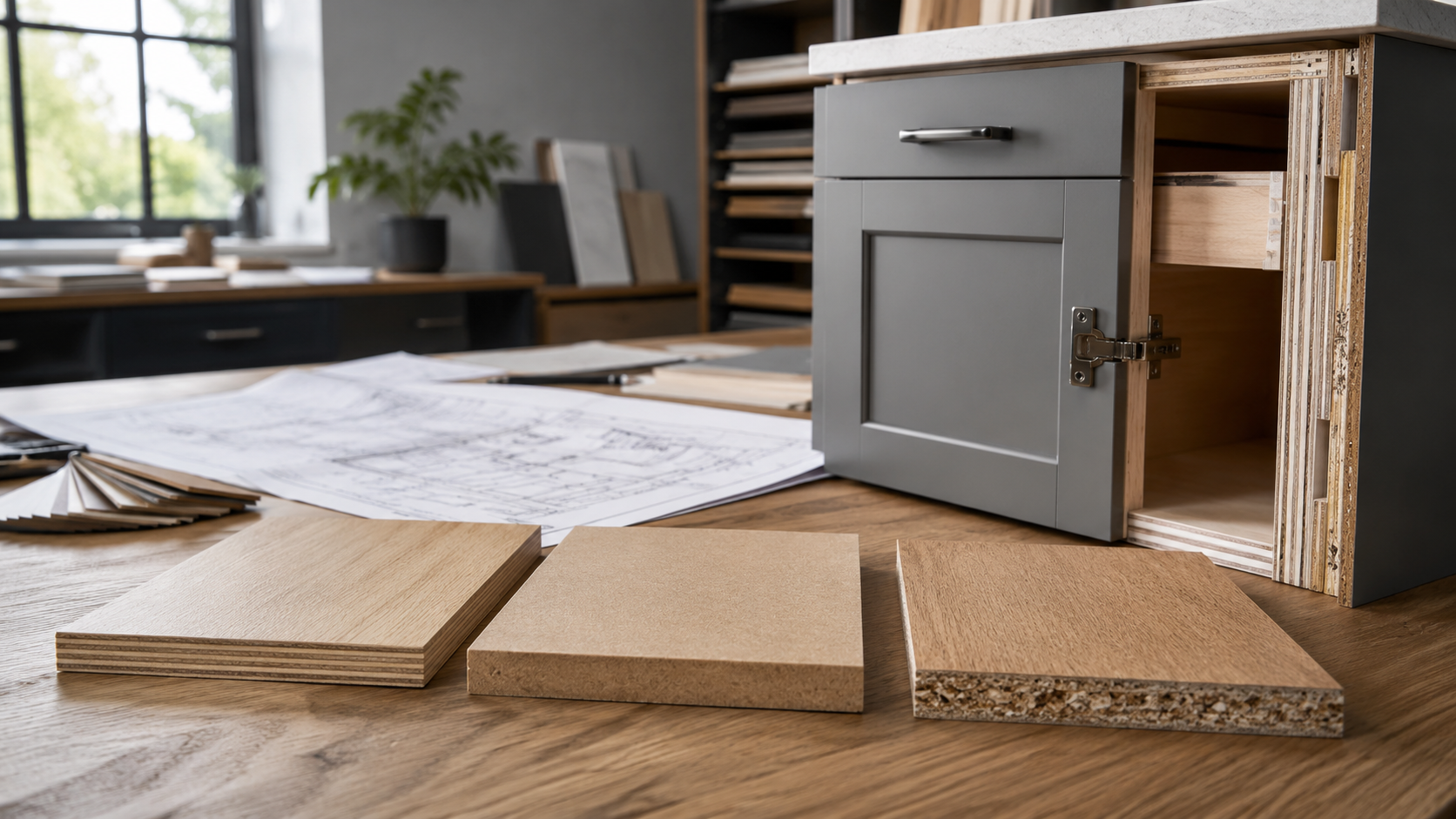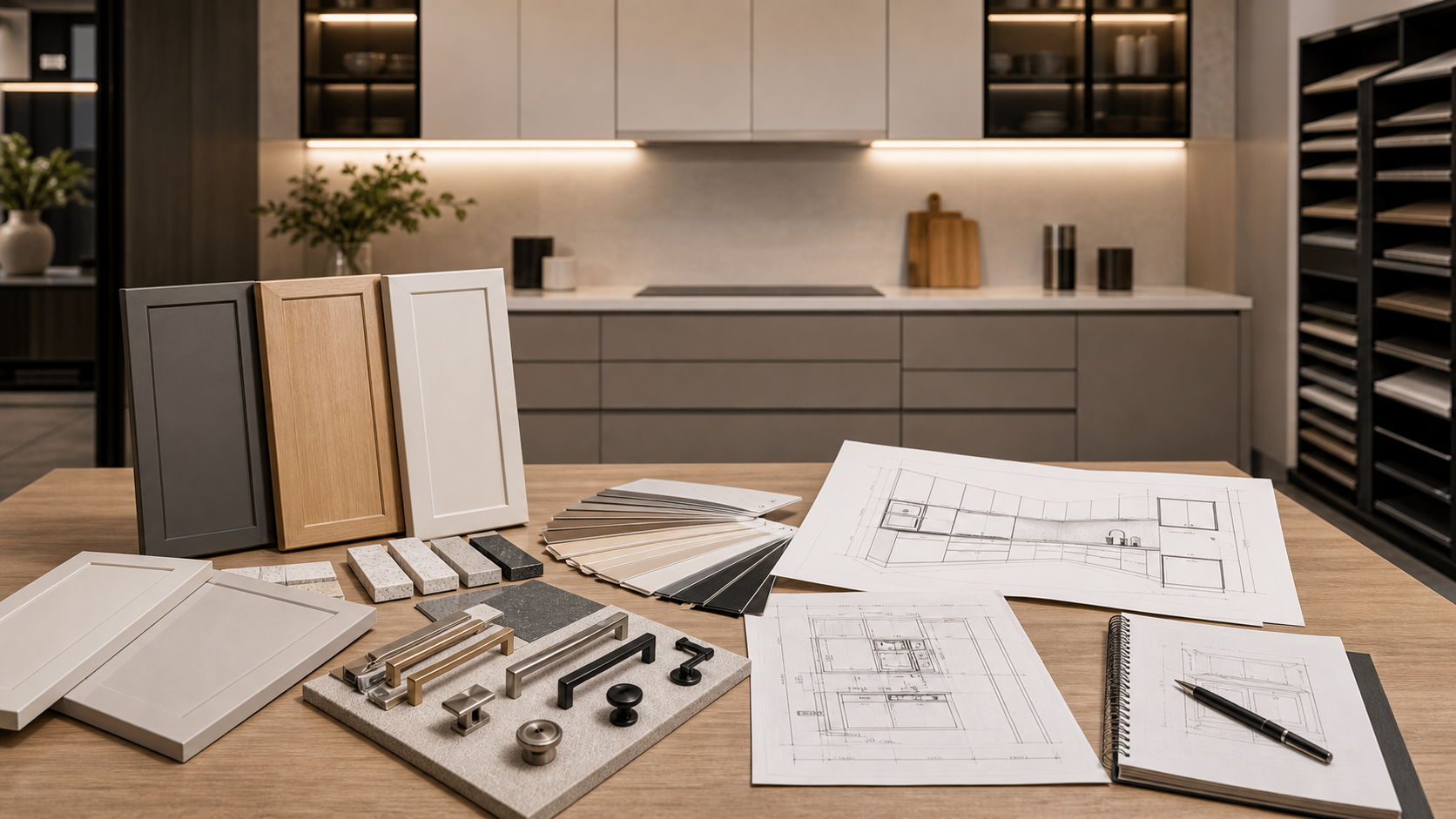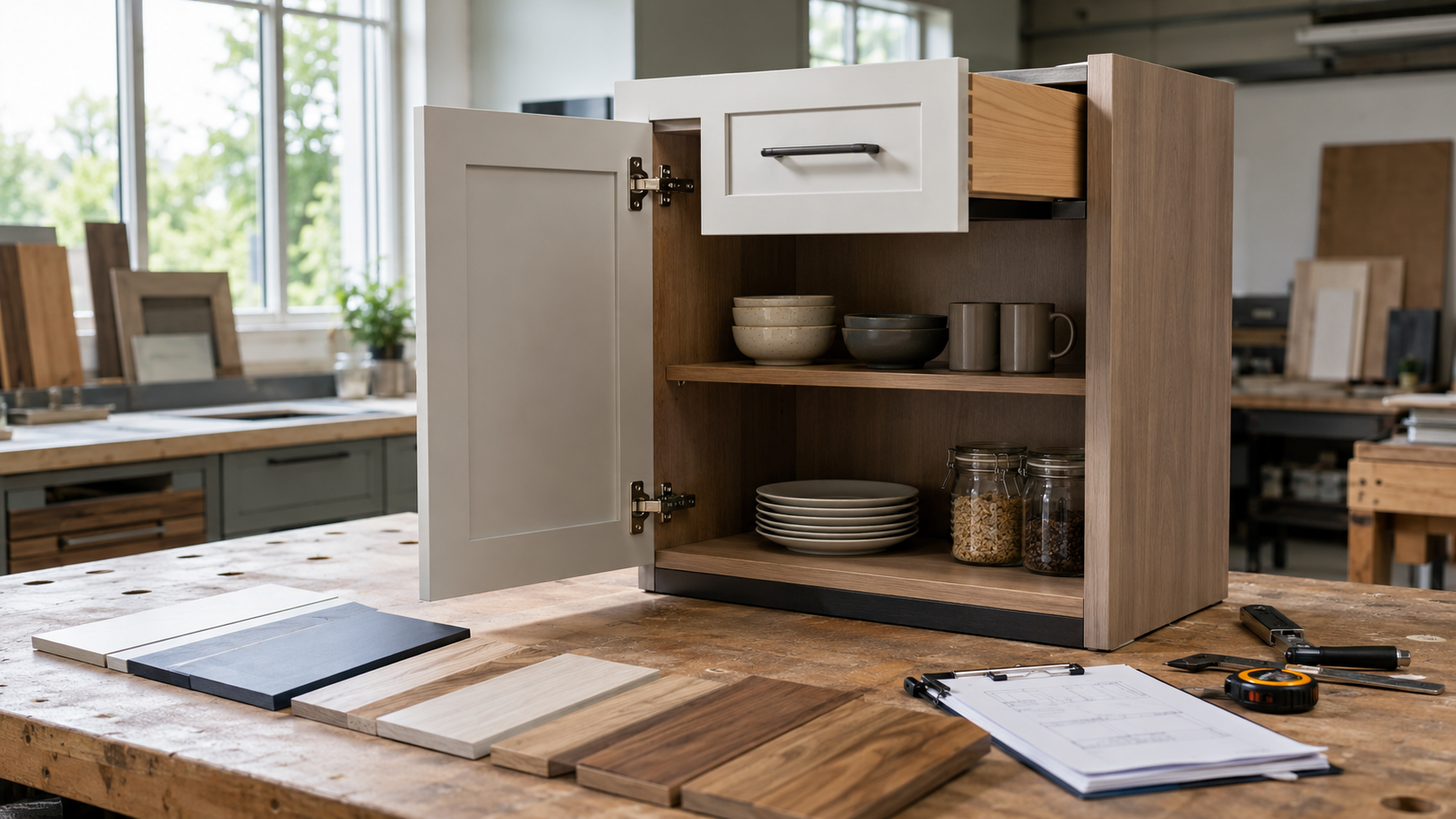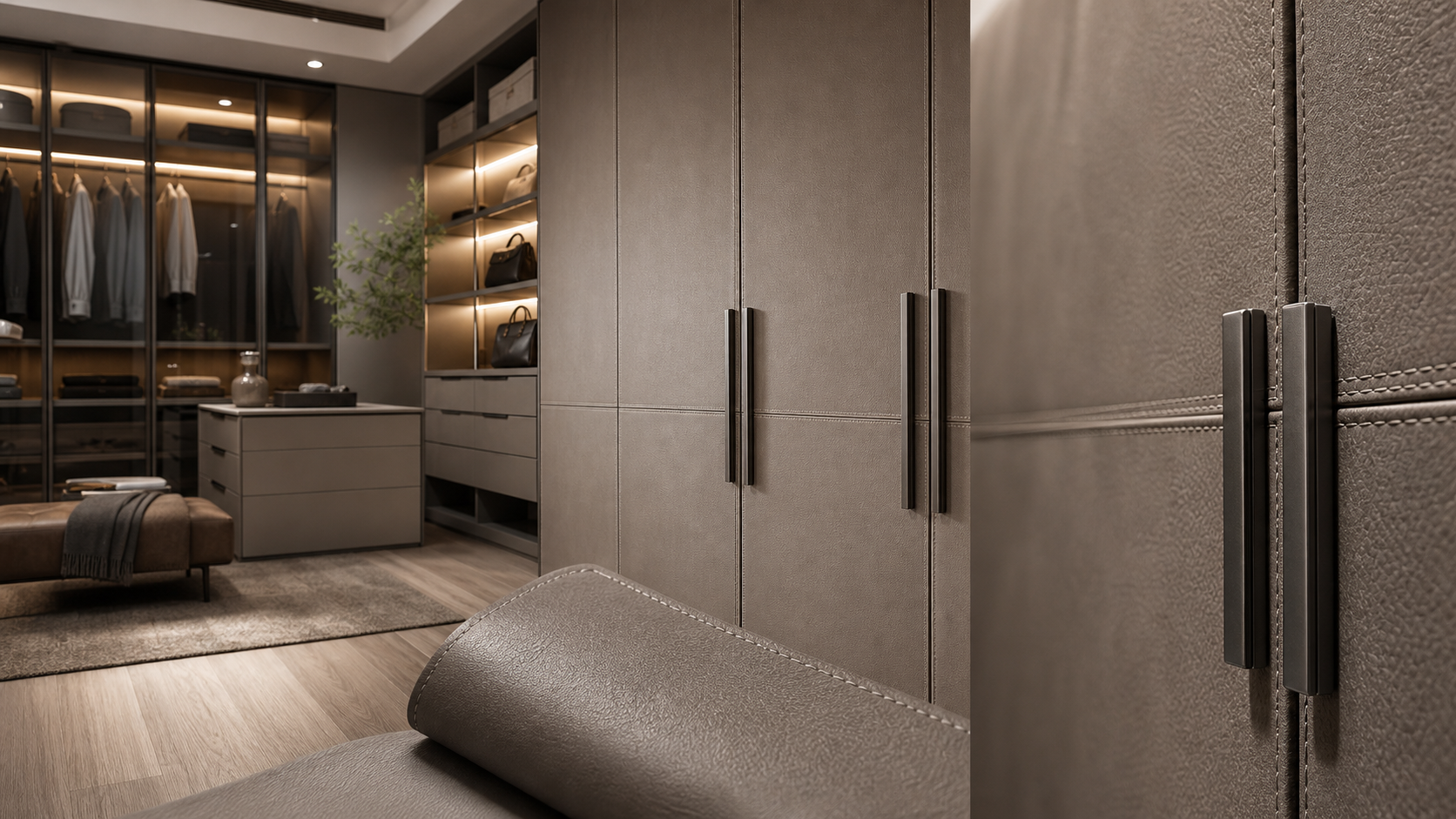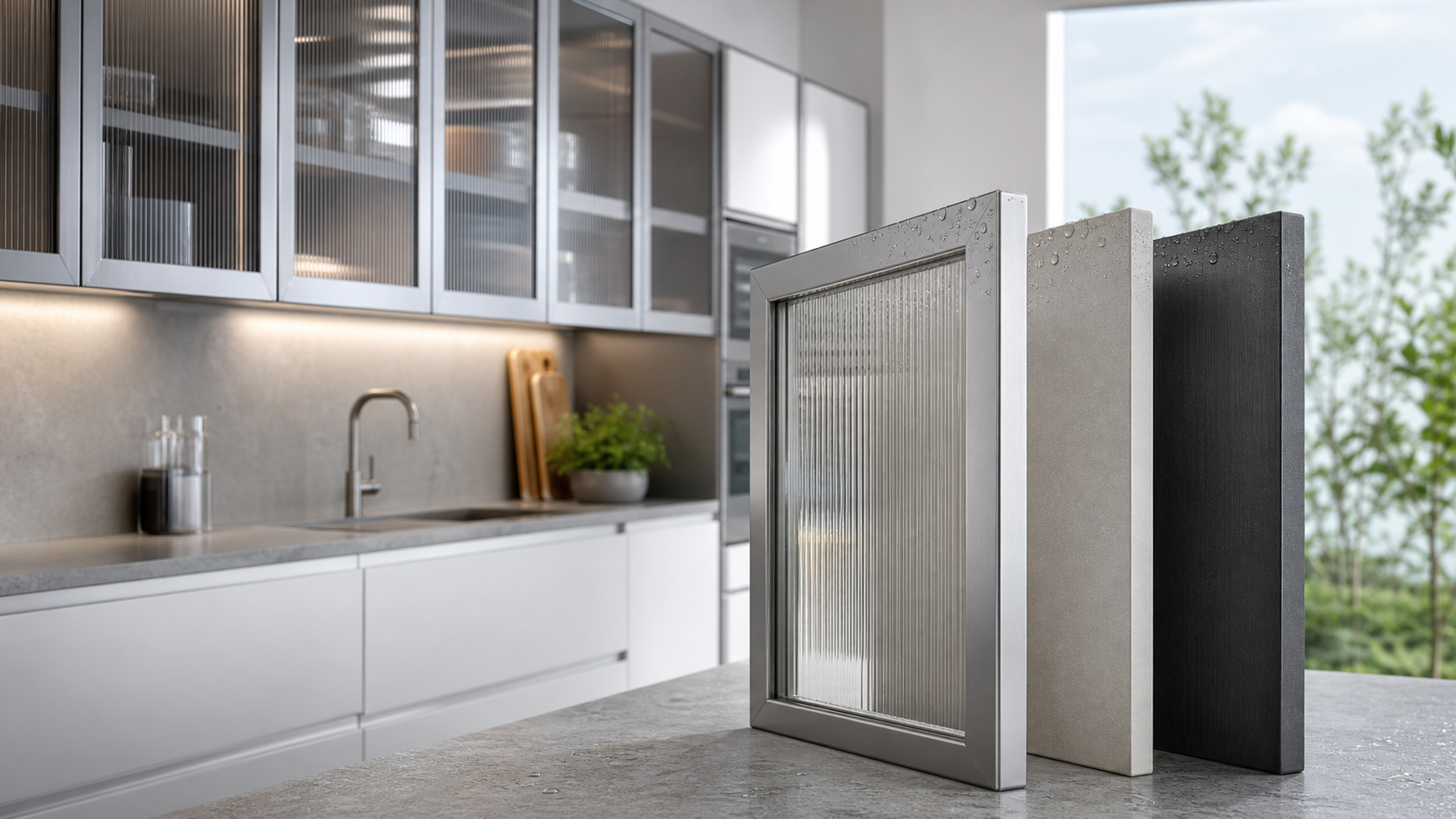

The core of high-end customization lies in the precise matching of materials, rather than the application of a single, standardized solution. On the manufacturing front, VSME has established an independent matrix of high-end custom materials. To cater to minimalist aesthetics and the need for scratch resistance, we offer nano-crystalline PET and soft-touch matte lacquer door panels. For heavy-duty cooking environments subject to frequent use, we incorporate structural frameworks made of 304 stainless steel or aerospace-grade aluminum alloy. For private residences seeking a luxurious texture, we provide book-matched solid wood veneers and door panels crafted from Mohs hardness level 6 sintered stone. This independent product line—spanning woodwork, metalwork, and stonework—empowers international designers to flexibly select the most appropriate material solutions based on specific project budgets and local climatic conditions.
VSME is a manufacturer and supplier of high-quality Premium Material Integration Cabinets in China. We operate our own manufacturing facility and offer a wide range of custom kitchen cabinet solutions; we welcome your inquiries and orders!
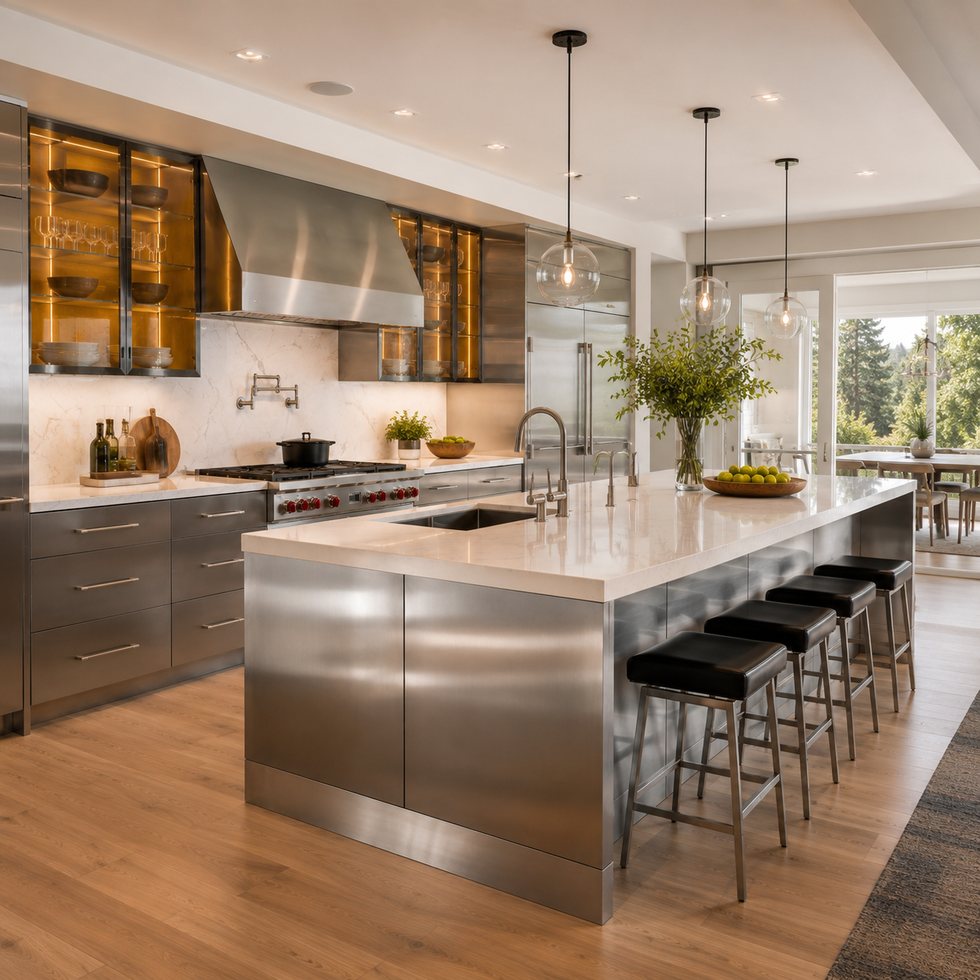
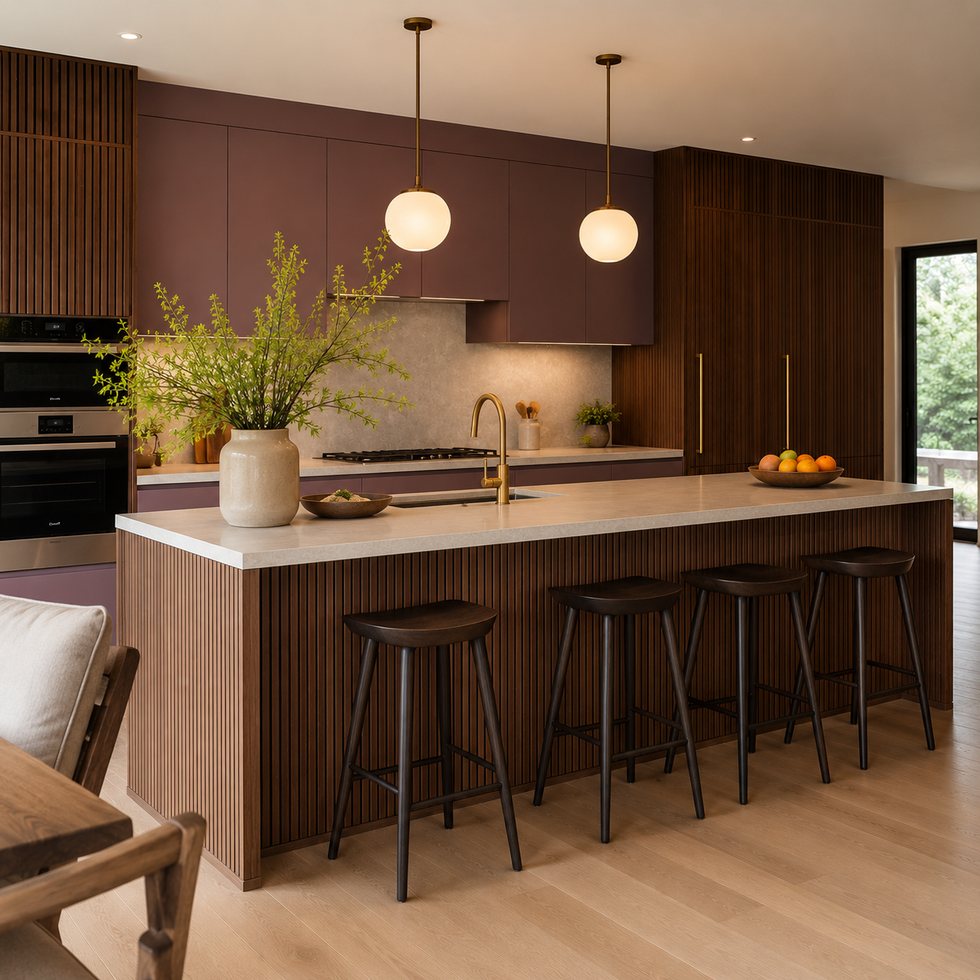
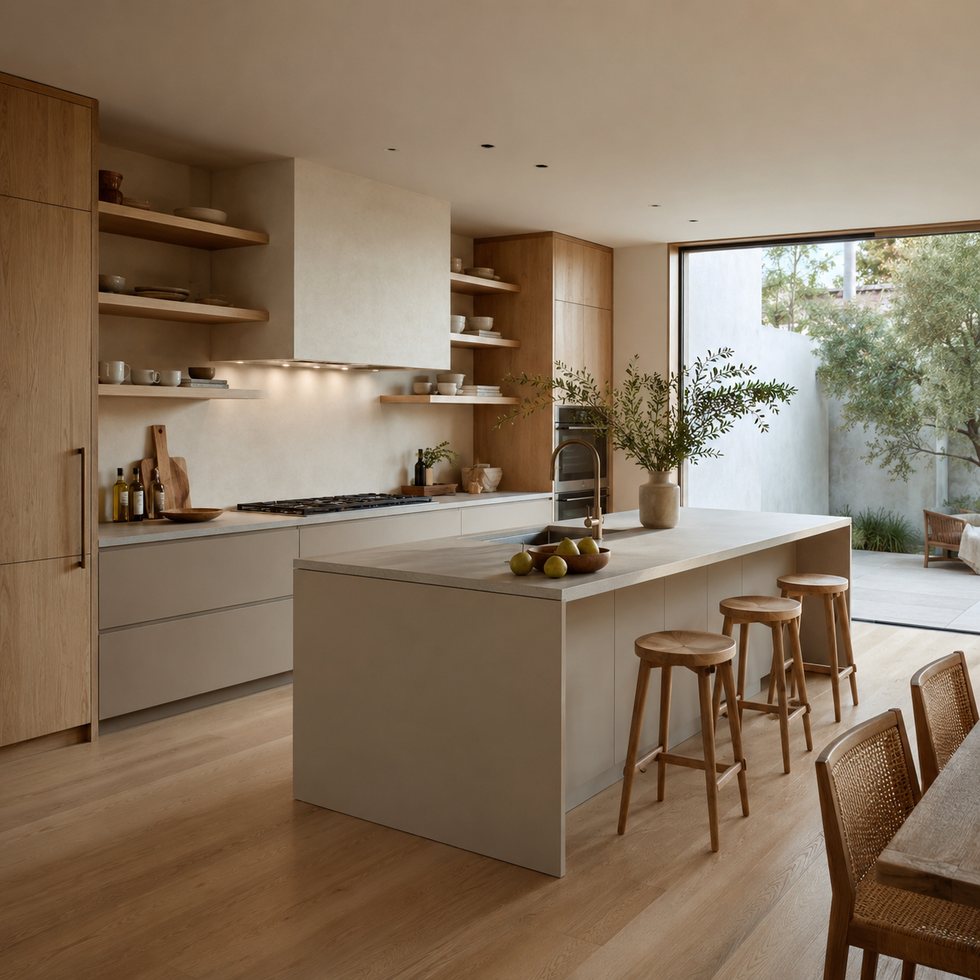
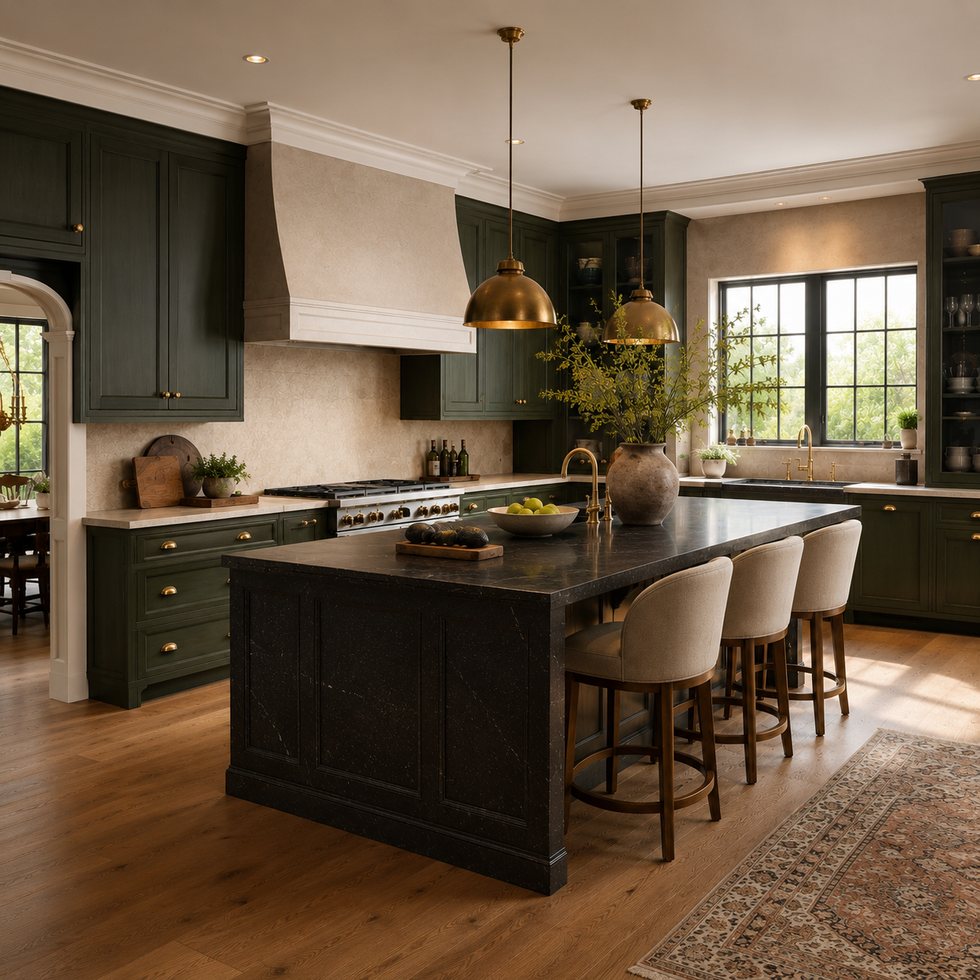
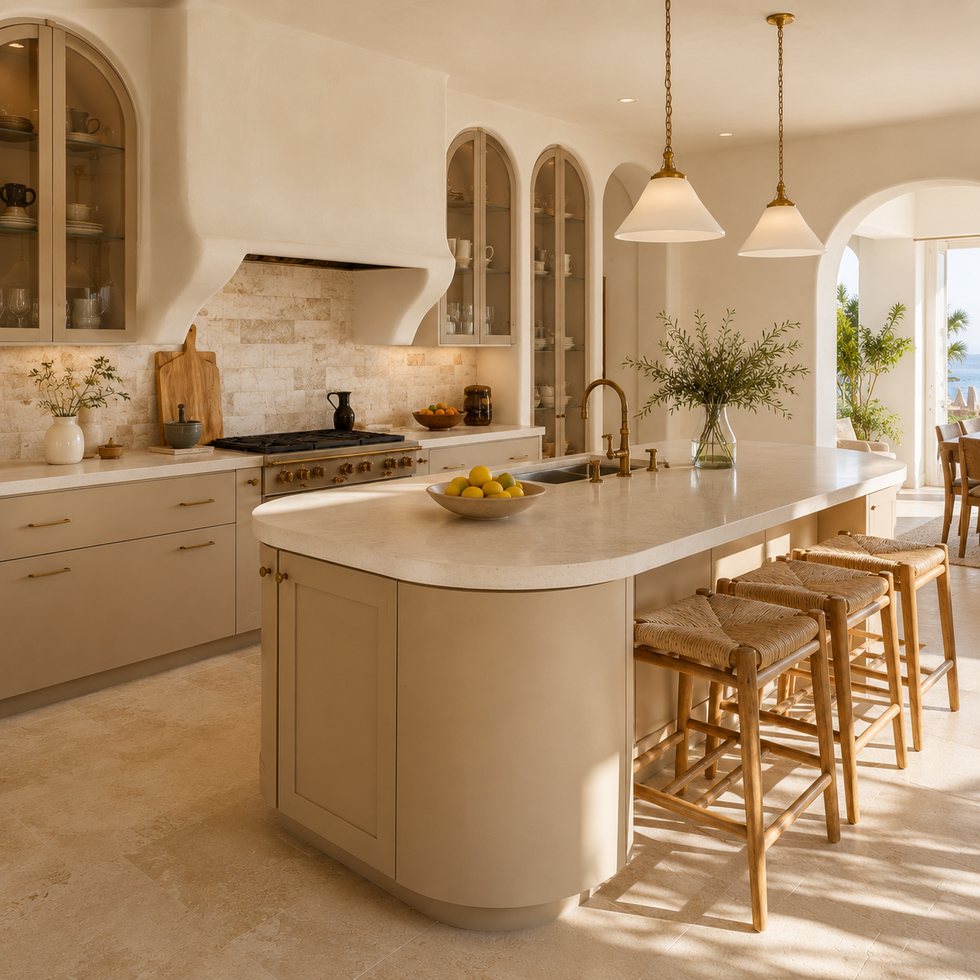
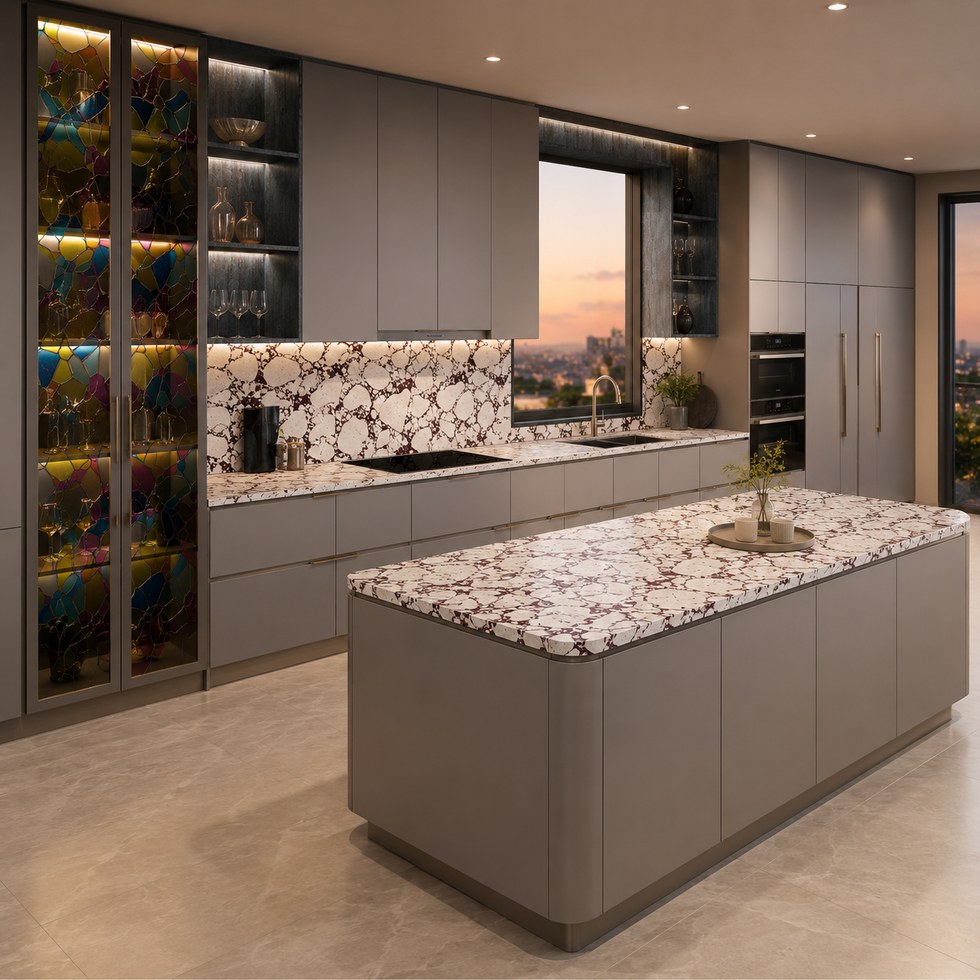
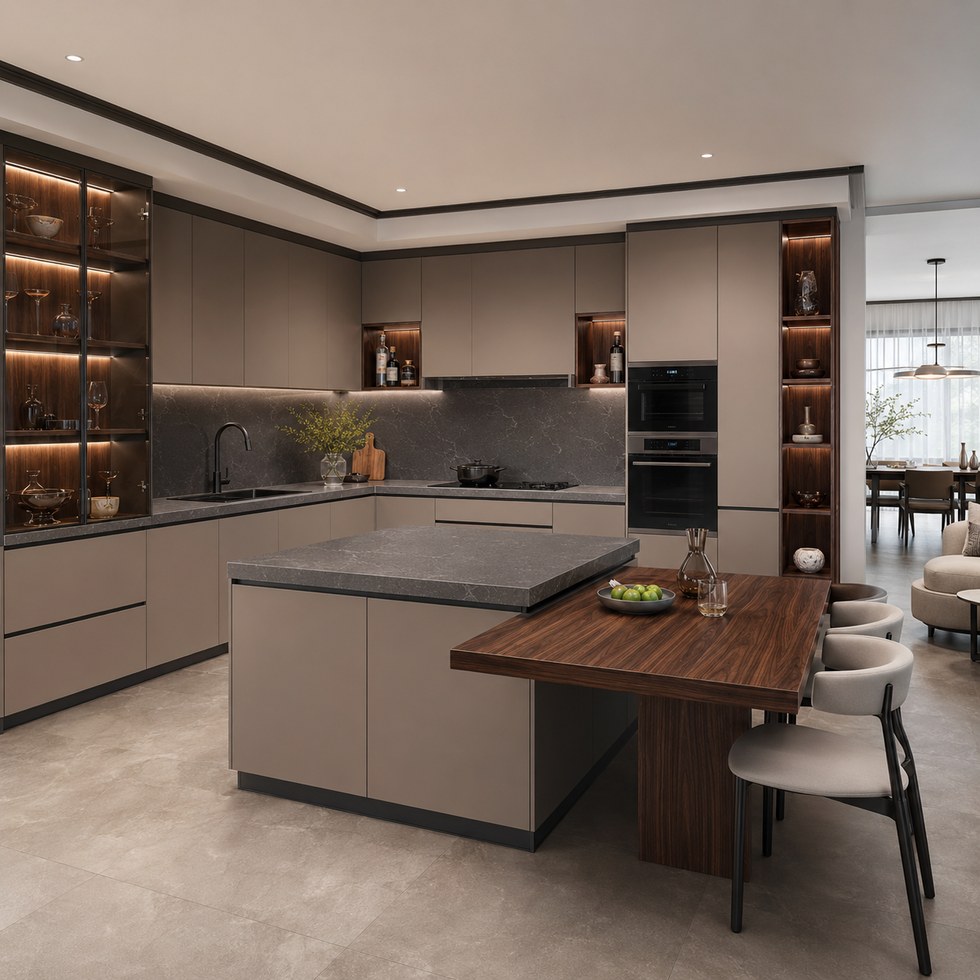
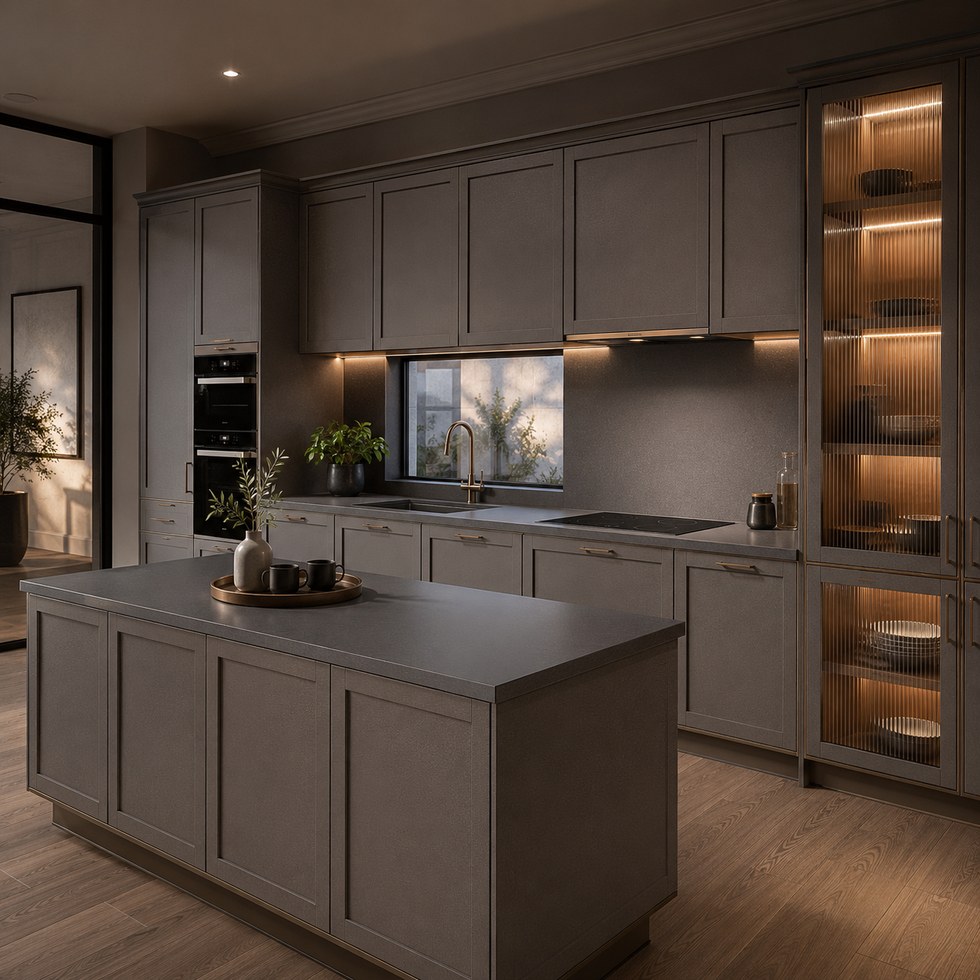
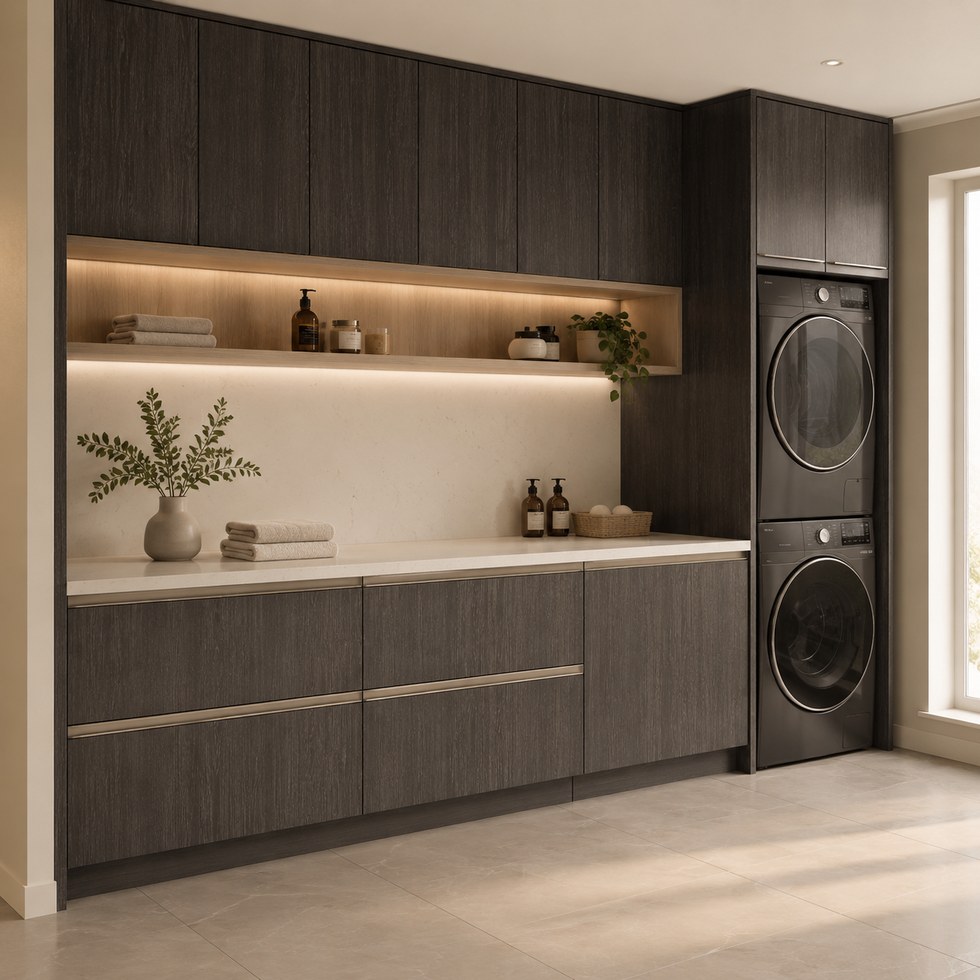
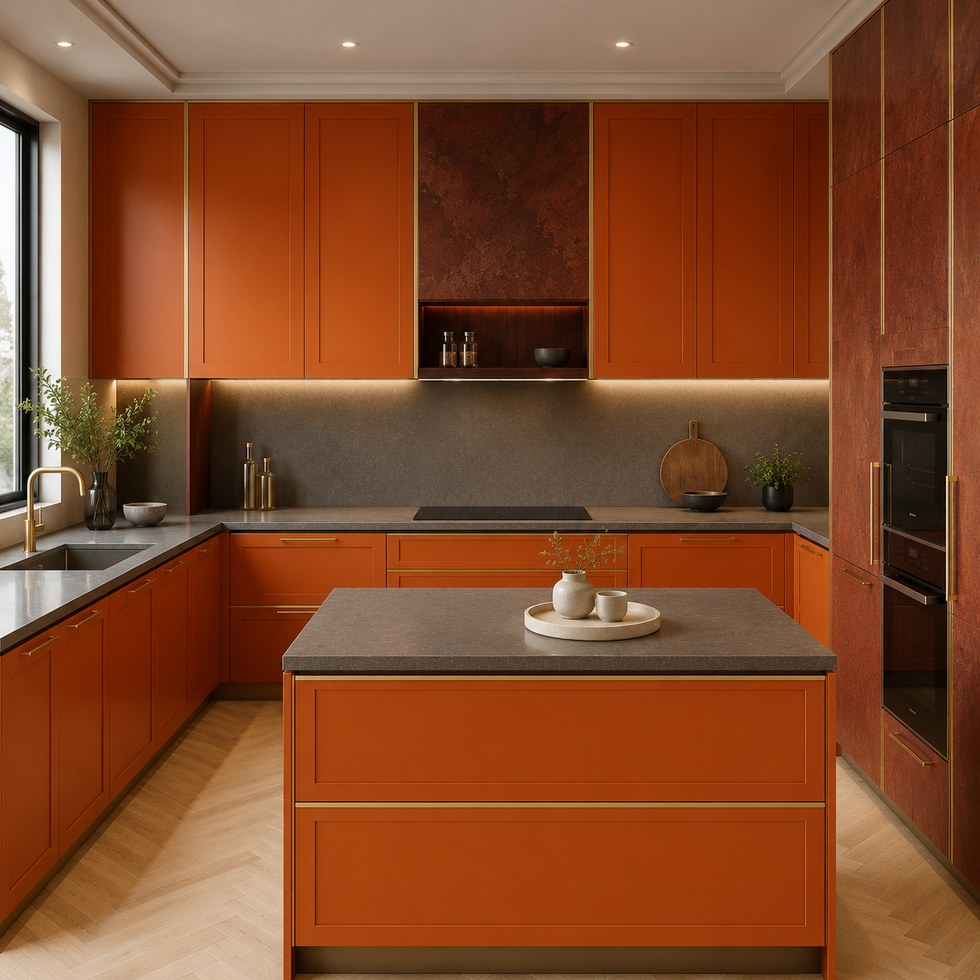
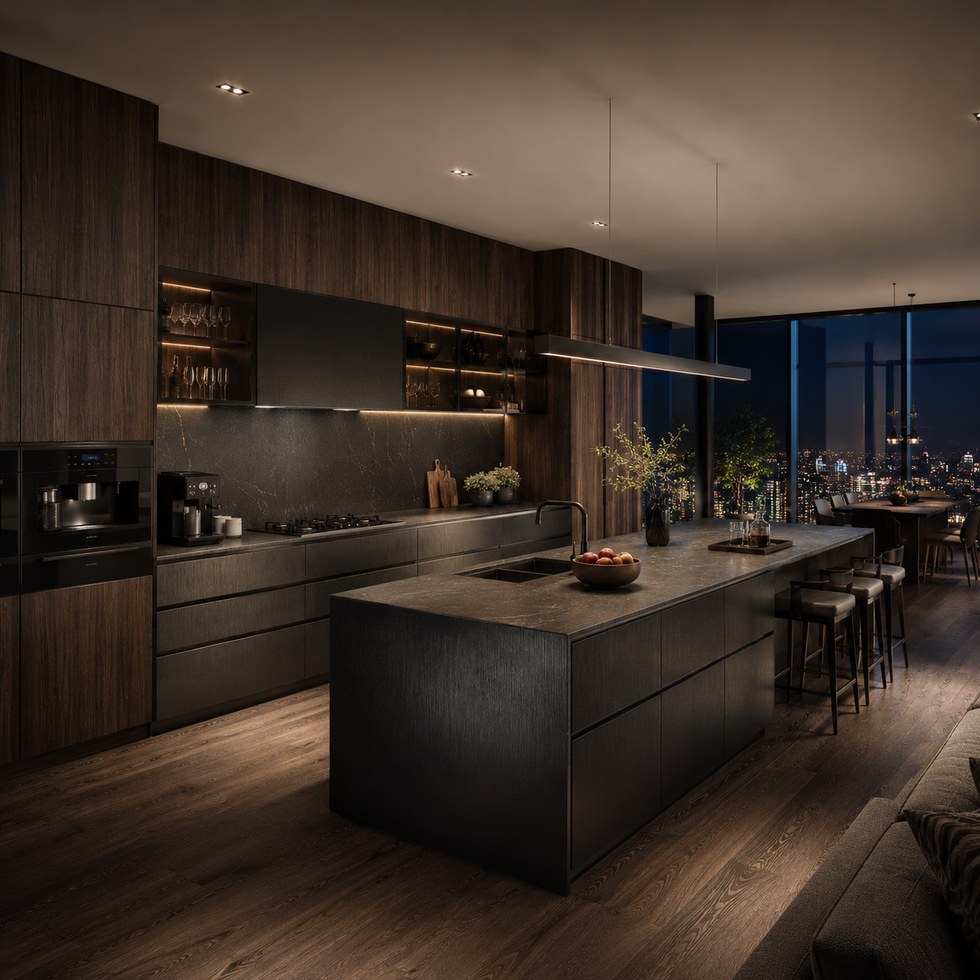
Materials of varying densities require entirely distinct CNC machining protocols:
Wood possesses a certain degree of physical elasticity, whereas metal and sintered stone offer zero tolerance for error. Within our 14,000-square-meter intelligent manufacturing facility, we have equipped our wooden panels with a fully automated PUR edge-banding line.
For sintered stone, we employ 45-degree water-jet miter cutting to lock joint tolerances within a margin of 0.1mm.
Metal cabinetry relies on high-power laser cutting and seamless full-welding techniques.
Although the processing complexity and physical ductility of these materials vary, the hardware mounting points for all finished products are anchored via a unified 3D digital platform. This foundational parametric management ensures that our Premium Material Integration Cabinets—regardless of the materials used—consistently meet engineering standards that guarantee absolute alignment and flushness.
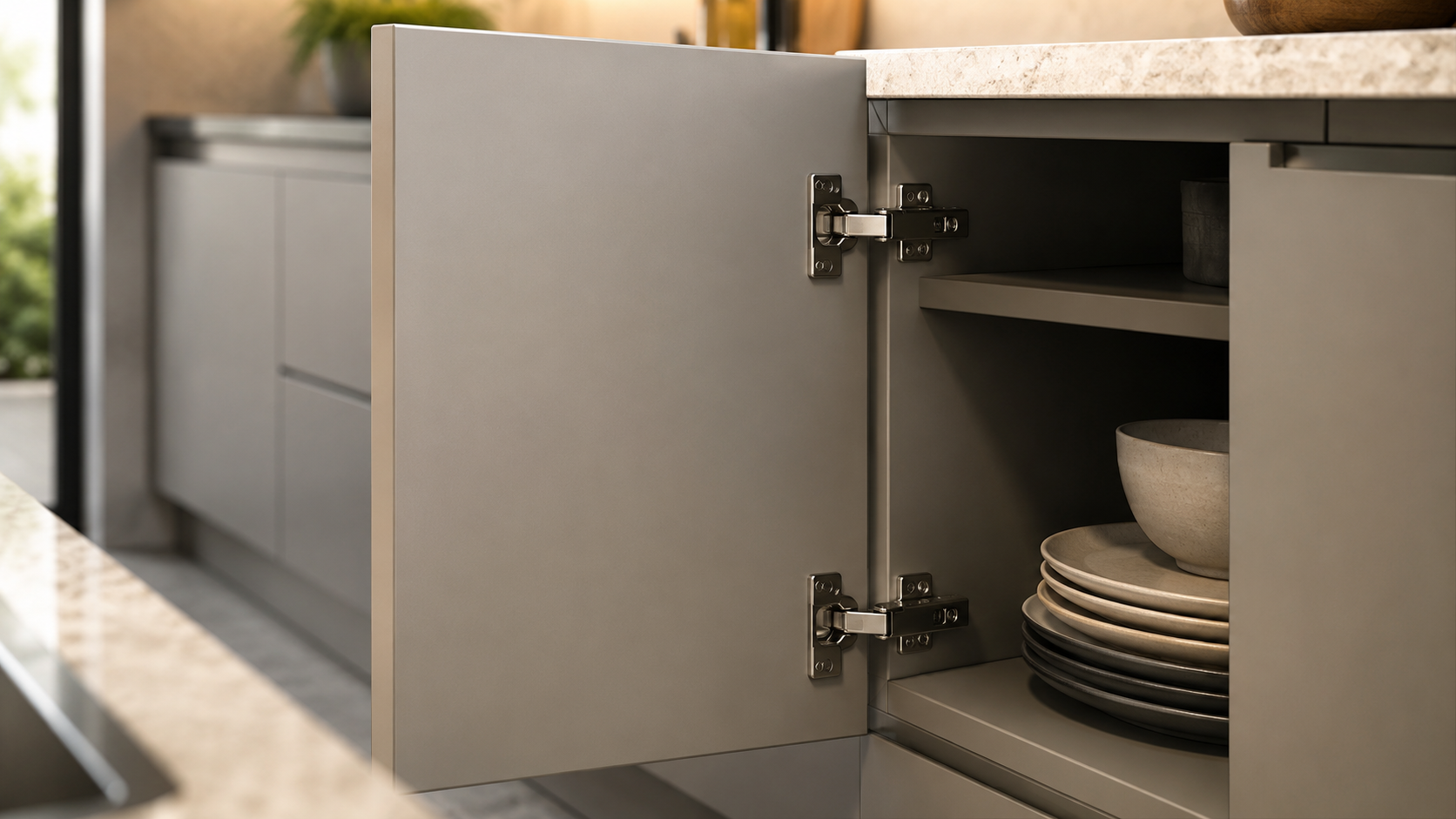
Premium materials often come with exceptional inherent weight (such as sintered stone or solid aluminum door panels); the physical density of the door panel directly dictates the rate of wear and tear on the hardware. Since the self-weight of sintered stone and solid aluminum panels far exceeds that of standard particleboard, the use of generic, off-the-shelf hardware would inevitably lead to structural failure. Based on the specific weight per square meter of various materials, the VSME technical team custom-selects heavy-duty load-bearing hardware systems from either Blum or Hettich. For tall cabinet doors—whether crafted from solid wood or sintered stone—exceeding 2.4 meters in height, we mandate the installation of high-strength metal straightening rods on the reverse side. Prior to leaving the factory, all load-bearing nodes must successfully pass over 100,000 cycles of full-load fatigue testing. This form of rigid structural intervention—grounded in mechanical data—guarantees that heavy materials remain free from structural deformation or misalignment.
Given that high-gloss lacquer finishes are highly susceptible to scratching, we strictly enforce the application of a double-layer protective film, followed by a complete wrap in highly resilient EPE foam. Sintered stone and glass door panels are prone to shattering under lateral stress; therefore, they must be packaged independently and secured within fumigation-free, steel-strapped wooden pallets to ensure rigid structural support. For metal cabinetry, we prioritize edge protection by utilizing thickened, L-shaped honeycomb cardboard corner guards. We implement a rigorous system of "graded physical isolation" tailored to the specific requirements of each material type. Furthermore, every "Premium Material Integration Cabinet" undergoes a 100% pre-assembly inspection prior to shipment. The accompanying barcode-enabled packing lists ensure that on-site workers can safely and accurately unload goods in accordance with the design drawings, thereby effectively mitigating the high risk of material damage often associated with the logistics and transportation of complex materials.