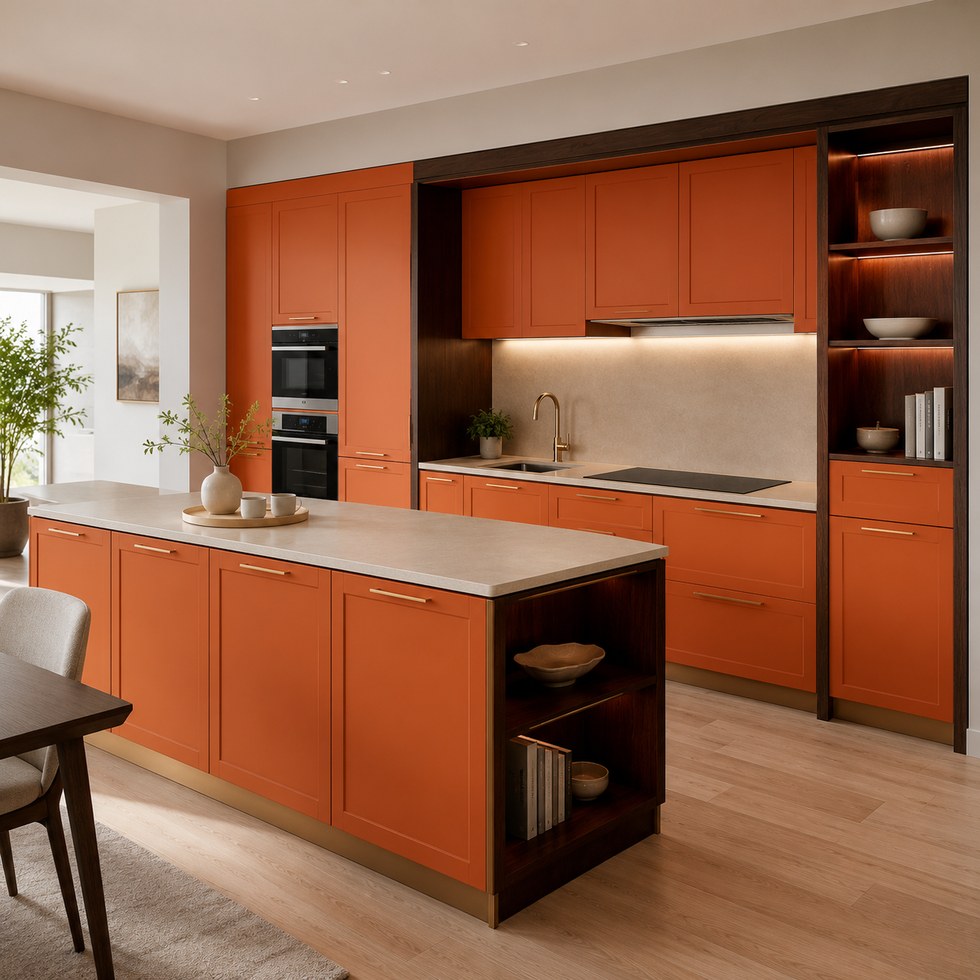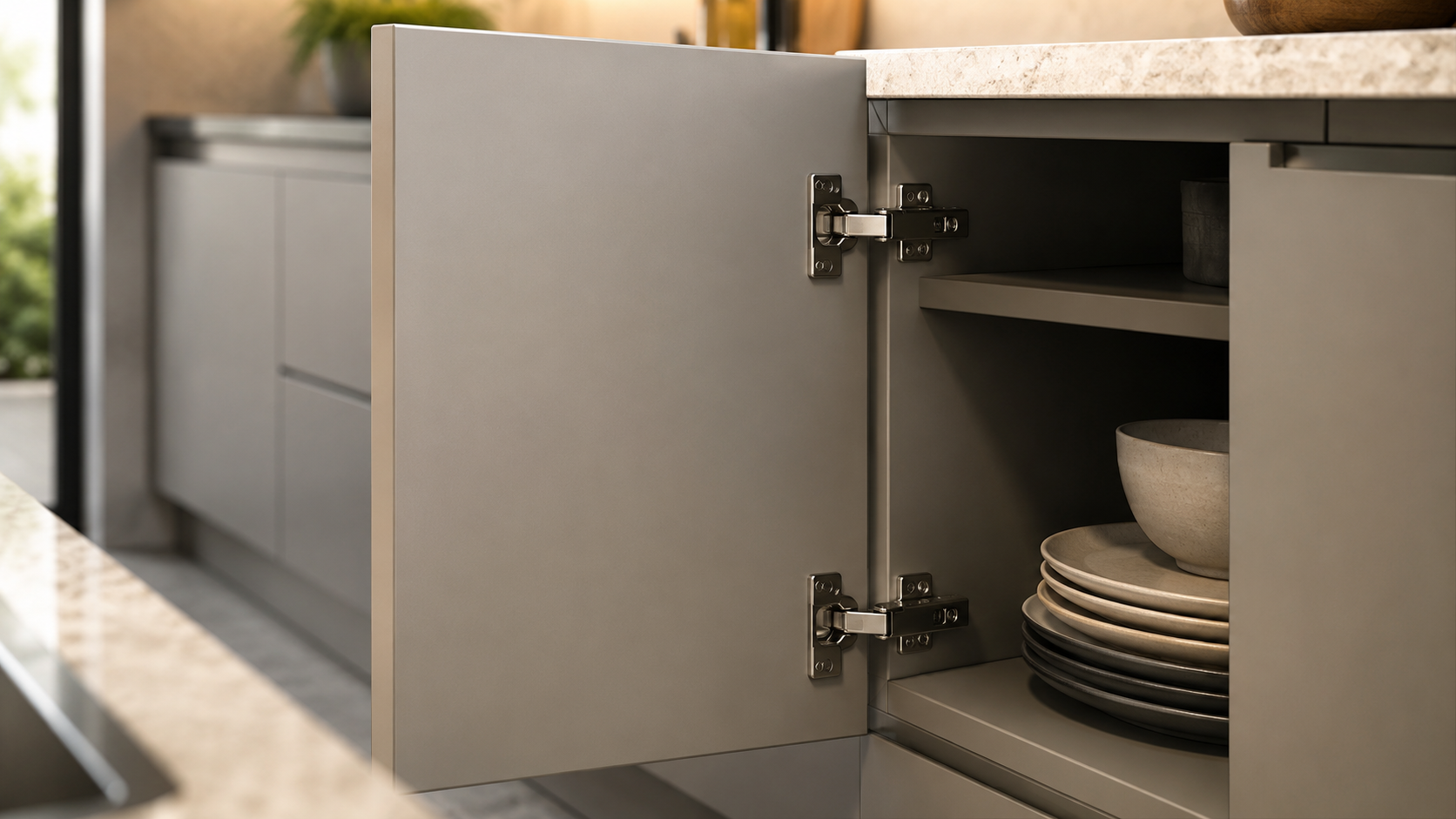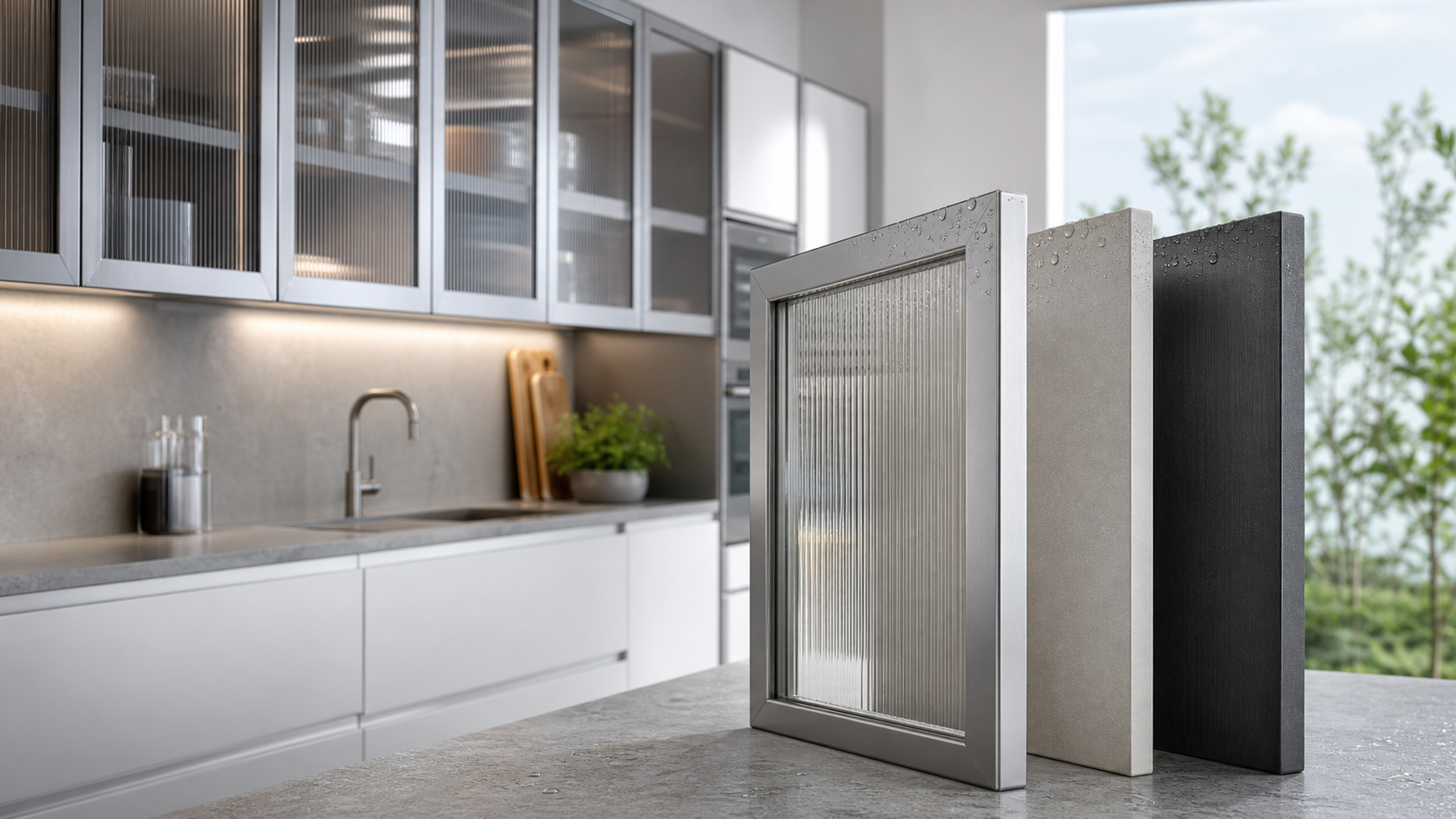

Cabinets made with hardwood plywood, medium-density fiberboard (MDF) or particleboard can fall within the United States' rules for formaldehyde emissions from composite wood products. The U.S. Environmental Protection Agency's current rule page explains which materials and finished goods are covered, how compliant products must be identified, and what EPA proposed to update in February 2026.
EPA's final rule was published on December 12, 2016 to reduce exposure to formaldehyde emissions from certain wood products manufactured in or imported into the United States. It implements the Formaldehyde Standards for Composite Wood Products Act of 2010 and is codified in 40 CFR Part 770.
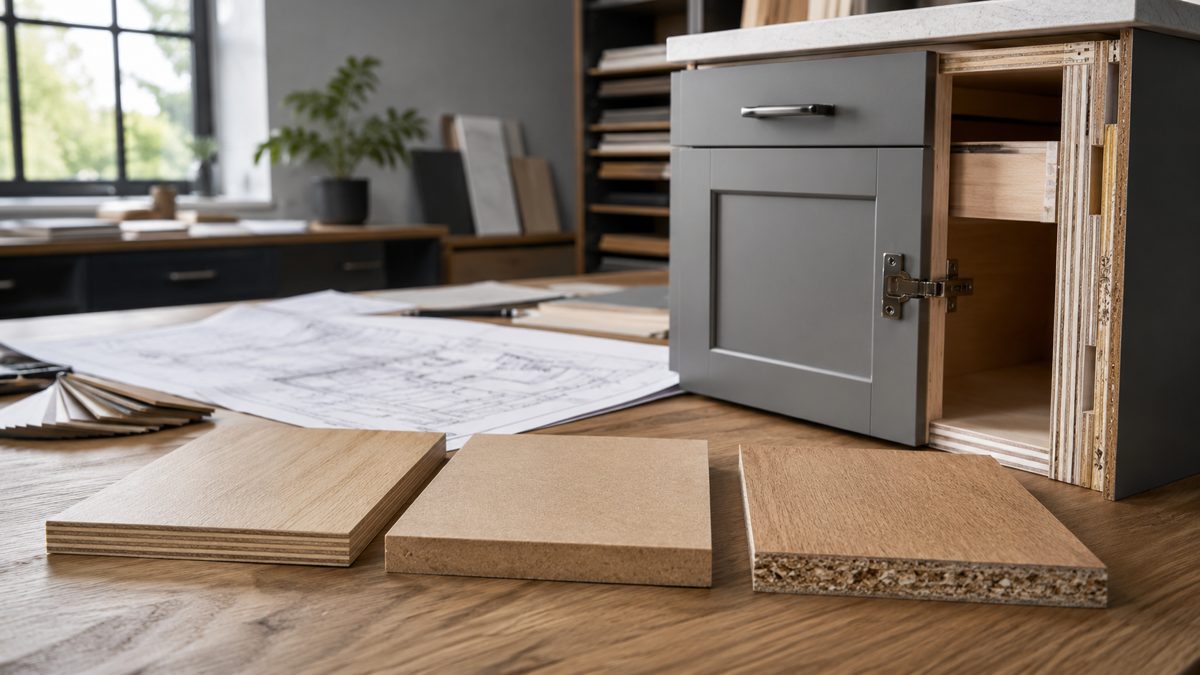
The covered panel categories include hardwood plywood, MDF and particleboard. The rule also applies to household and other finished goods that contain these products. In cabinetry, that can include cabinet boxes, shelves, door cores, drawer components and decorative panels made from regulated composite wood.
Material names therefore matter. A finish description such as painted, wood-look, matte or lacquered does not identify the substrate underneath. Customers comparing cabinet specifications should be able to see whether a component is solid wood, plywood, MDF, particleboard or another material, because the applicable documentation depends on the actual panel product.
EPA states that after March 22, 2019, regulated composite wood products manufactured in or imported into the United States must be certified and labeled as TSCA Title VI compliant. Earlier transitional labeling could refer to CARB ATCM Phase II or TSCA Title VI, but products made or imported after that date may no longer rely on the CARB reciprocity route described by EPA.
The rule includes third-party certification, product testing, labeling, recordkeeping and import certification. For a finished cabinet order, the relevant evidence may sit across several documents rather than on one page: the material schedule identifies the panel, supplier records identify the producer or certified product, labels identify compliance, and import records cover the shipment.
A TSCA Title VI label is not a general quality award and does not describe every aspect of a cabinet. It addresses the formaldehyde-emission requirements for covered composite wood products. Construction strength, finish durability, hardware performance and installation quality remain separate subjects.
On February 6, 2026, EPA proposed updating seven voluntary consensus standards incorporated into the rule. The proposal also adds ISO 12460-2:2024, a small-scale chamber method for measuring formaldehyde release from wood-based panels, as a quality-control test method.
EPA explains that the new method would give regulated entities access to a wider range of analytical methods, including laser absorption spectroscopy. If finalized as proposed, this would be the fourth update to voluntary consensus standards incorporated by reference since the 2016 final rule, following updates in 2018, 2019 and 2023.
Because the February 2026 action is a proposed rule, it should not be described as a completed change. Customers and suppliers working on current U.S. projects should check the latest EPA page and Federal Register notice before relying on an older testing reference.
A clear cabinet specification identifies the panel type used for the cabinet box, shelves, doors and other major components. Where TSCA Title VI applies, the related label and supplier documentation should correspond to that material and to the destination market. This is especially useful when different panels are used in one design.
For example, a project may combine plywood cabinet boxes with MDF painted doors and particleboard interior components. Describing the complete assembly simply as "wood cabinets" hides the information needed to understand which products are regulated and which records should accompany them.
Customers considering custom kitchen cabinets for the U.S. market can ask for the substrate schedule and applicable compliance documents together. That keeps the material, finish and documentation aligned before the cabinet design reaches production.
U.S. EPA: Formaldehyde Emission Standards for Composite Wood Products. EPA page last updated February 12, 2026; checked July 12, 2026.