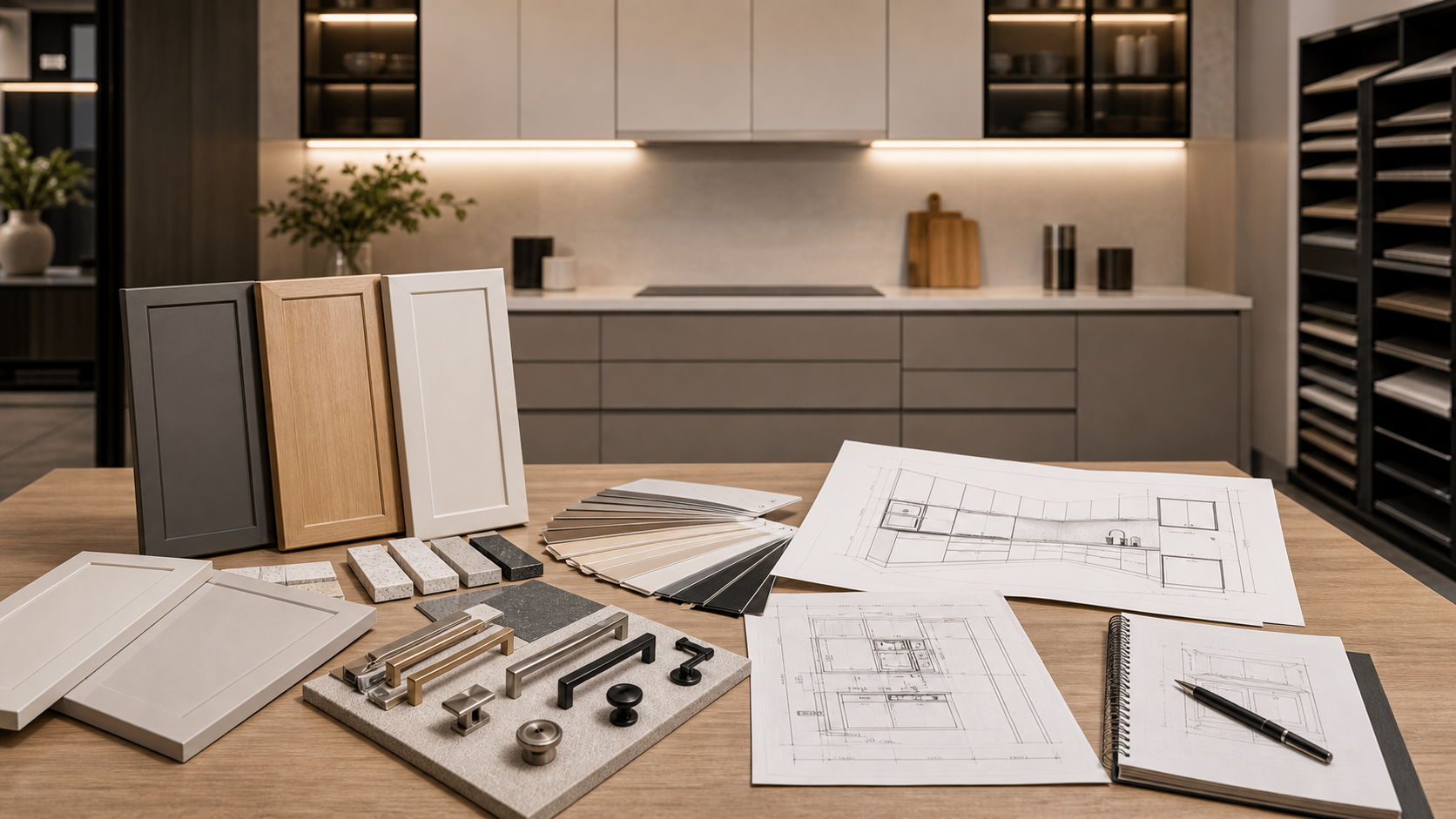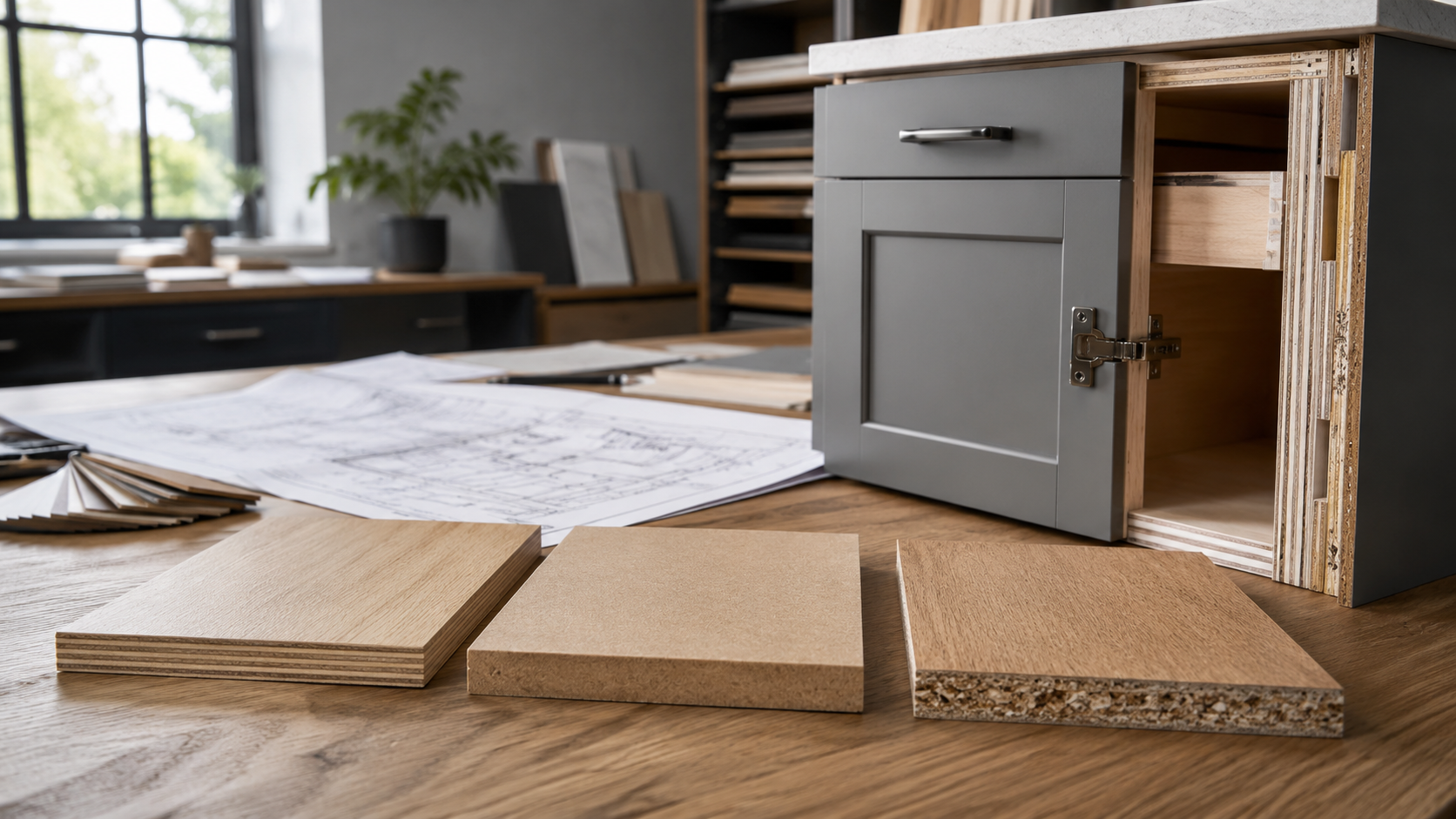

VSME is a manufacturer and supplier of high-quality stainless steel kitchen cabinets in China. With our own dedicated factory, we offer a wide variety of custom kitchen cabinet solutions. We welcome you to contact us for inquiries and purchases!
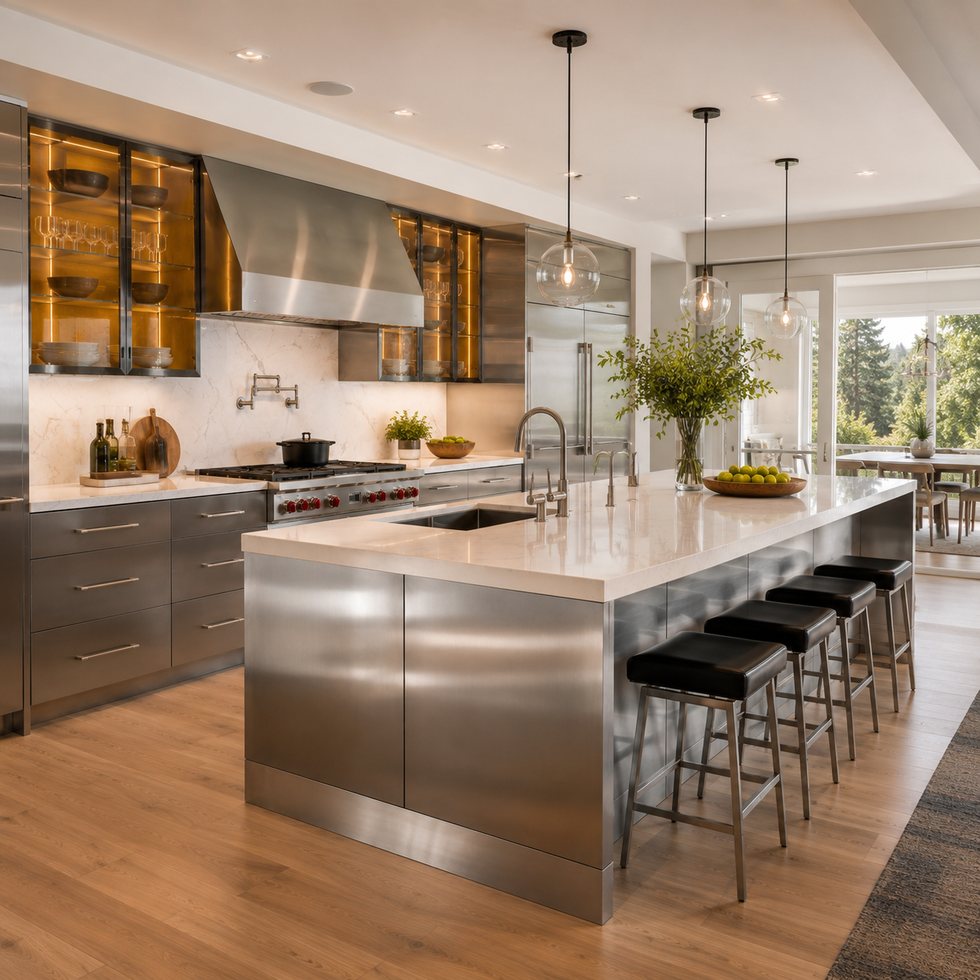


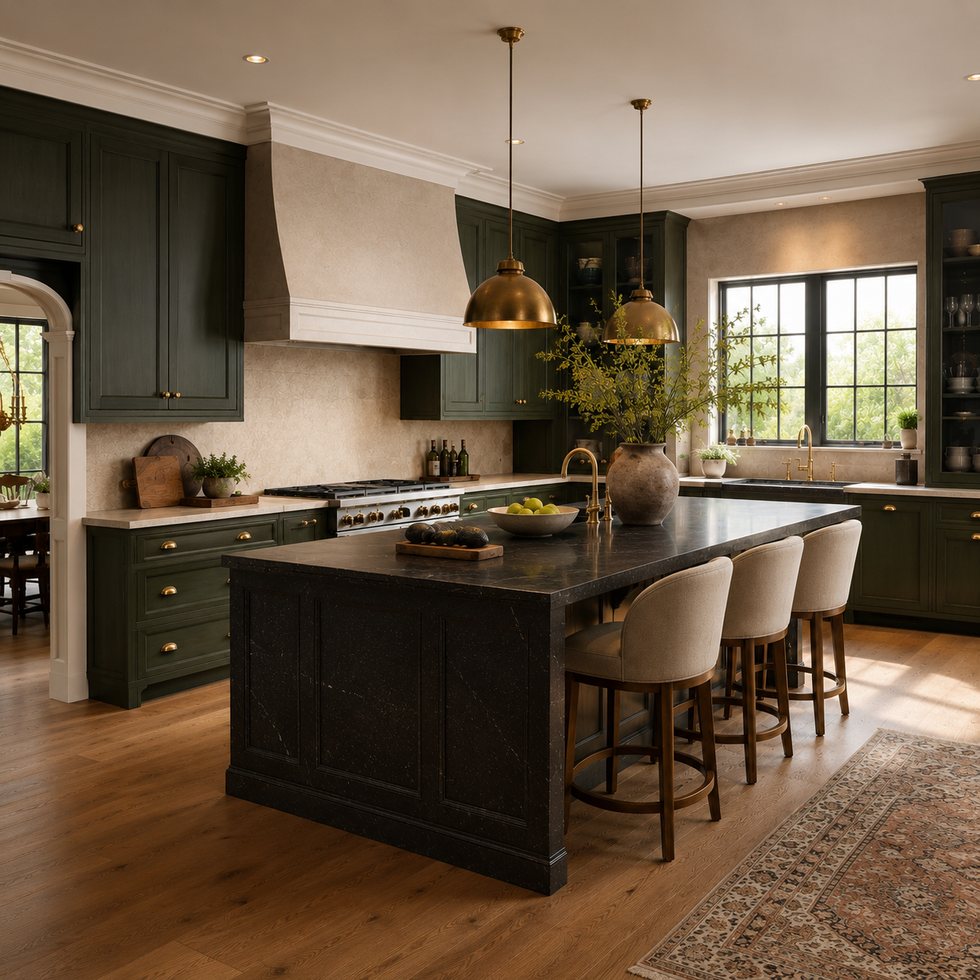





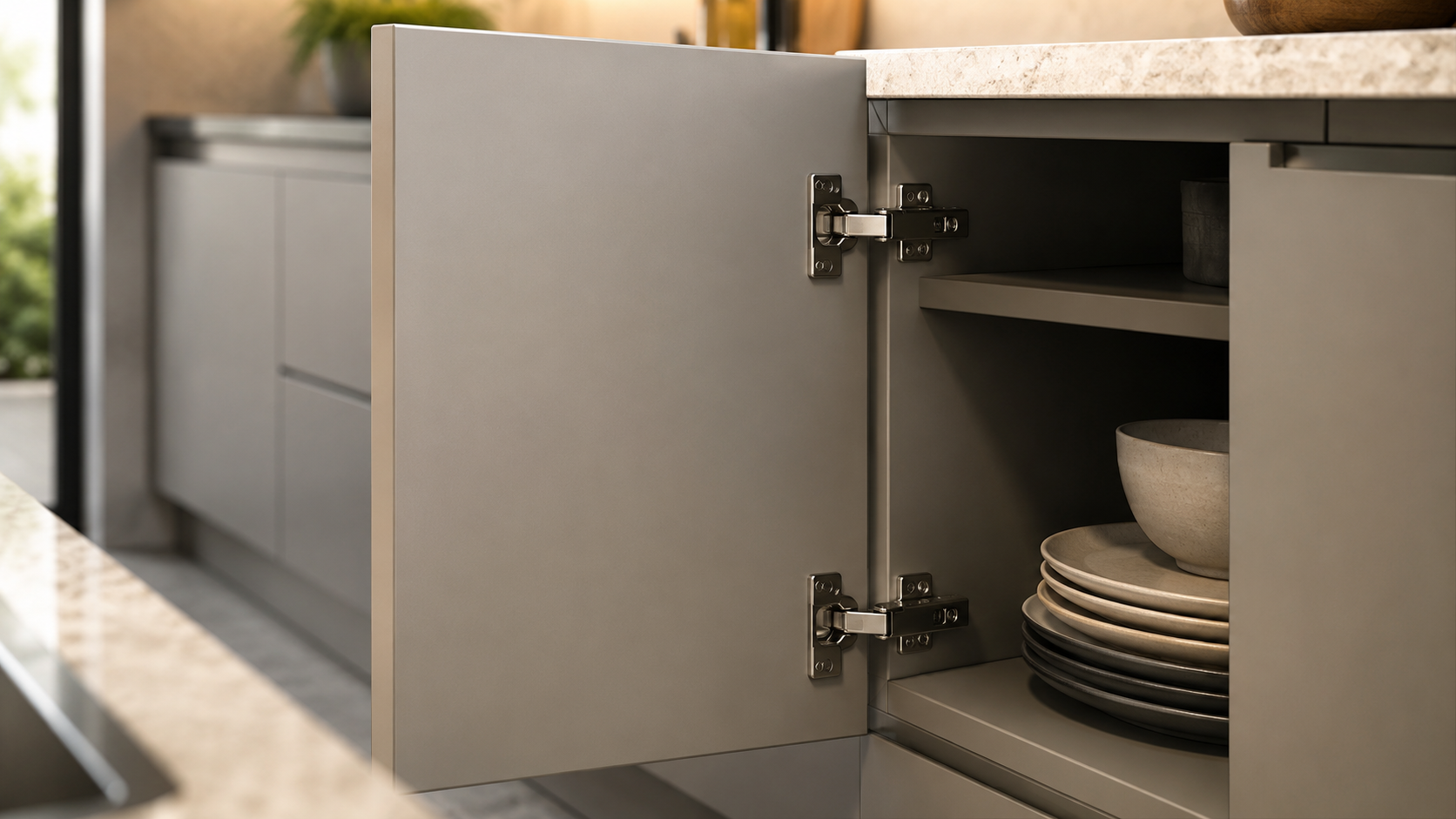
Stainless steel cabinetry is a product series designed specifically for extreme operating environments and settings with the most stringent hygiene requirements. Across our entire product line, VSME has abandoned the rust-prone 201-grade steel, mandating instead the use of food-grade 304 stainless steel—or the even higher-specification, medical-grade 316 stainless steel—as the primary base material for our cabinet bodies. Regarding structural integrity, we employ precision CNC bending and seamless full-welding techniques. This approach completely eliminates the adhesive-based joints typical of traditional wooden cabinetry, thereby achieving a true "zero-formaldehyde" standard in terms of physical emissions. This unibody metal construction not only endows the cabinets with absolute resistance to water, moisture, and termites, but also guarantees that they retain 100% structural integrity—even after enduring frequent heavy impacts and exposure to grease penetration.
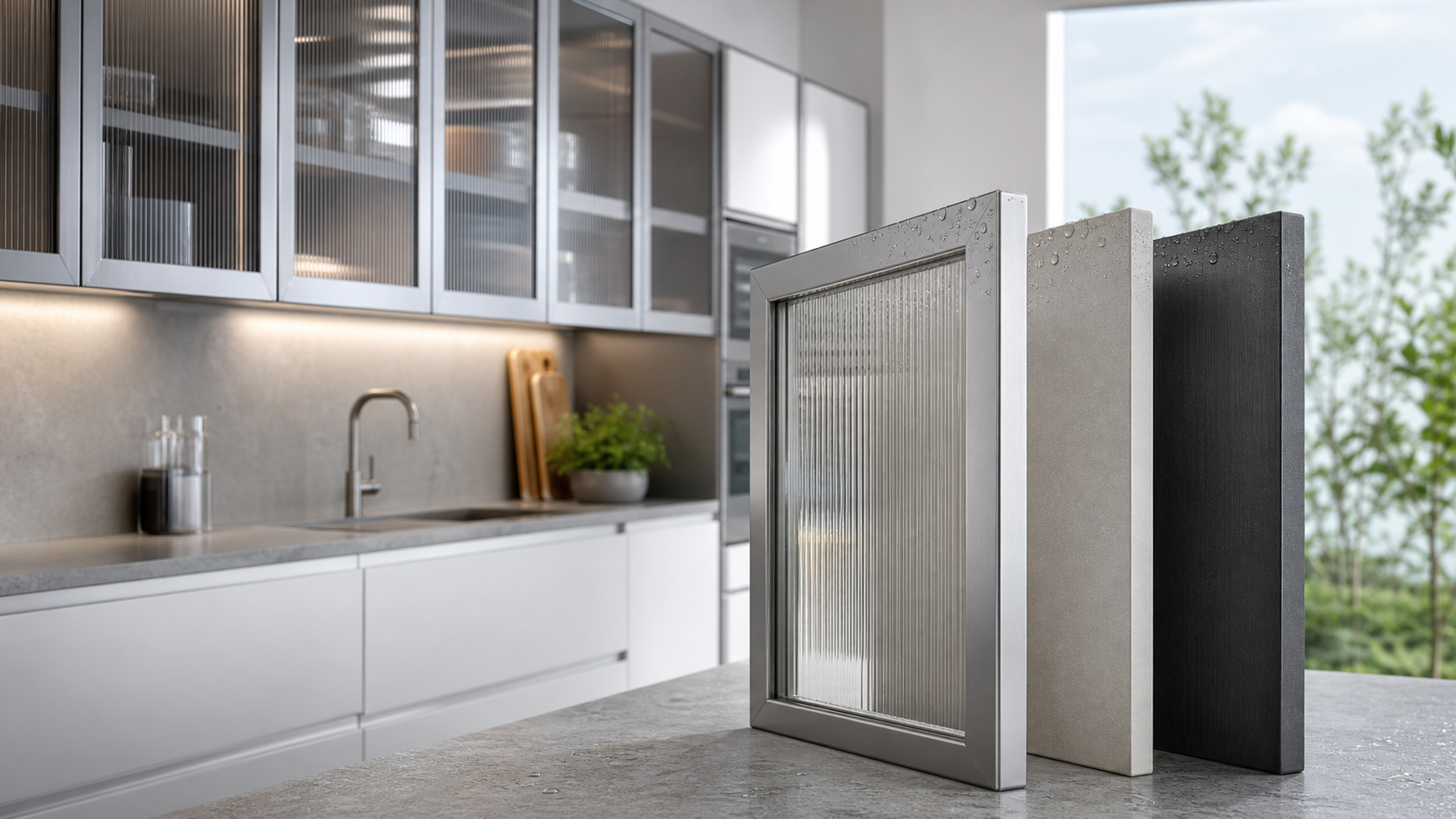
The inherent coldness and resonant noise associated with metal are critical engineering challenges that require effective solutions. On the tactile front, VSME employs advanced, high-performance surface baking finishes combined with a nano-crystalline, anti-fingerprint coating. This protective physical layer not only replicates the warm visual aesthetics of authentic wood grain or a soft-touch matte finish but also fundamentally resolves the common drawbacks of stainless steel—specifically, its susceptibility to water spots and fingerprints.
Regarding acoustic control, we integrate a high-density, aerospace-grade aluminum honeycomb core between the cabinet panels and base plates. This composite structure, which also provides robust mechanical support, effectively absorbs and dissipates the physical sound waves generated by metal-on-metal contact. Consequently, the sounds associated with opening, closing, or tapping the cabinet doors are dampened to an acoustic level comparable to that of solid wood cabinetry.
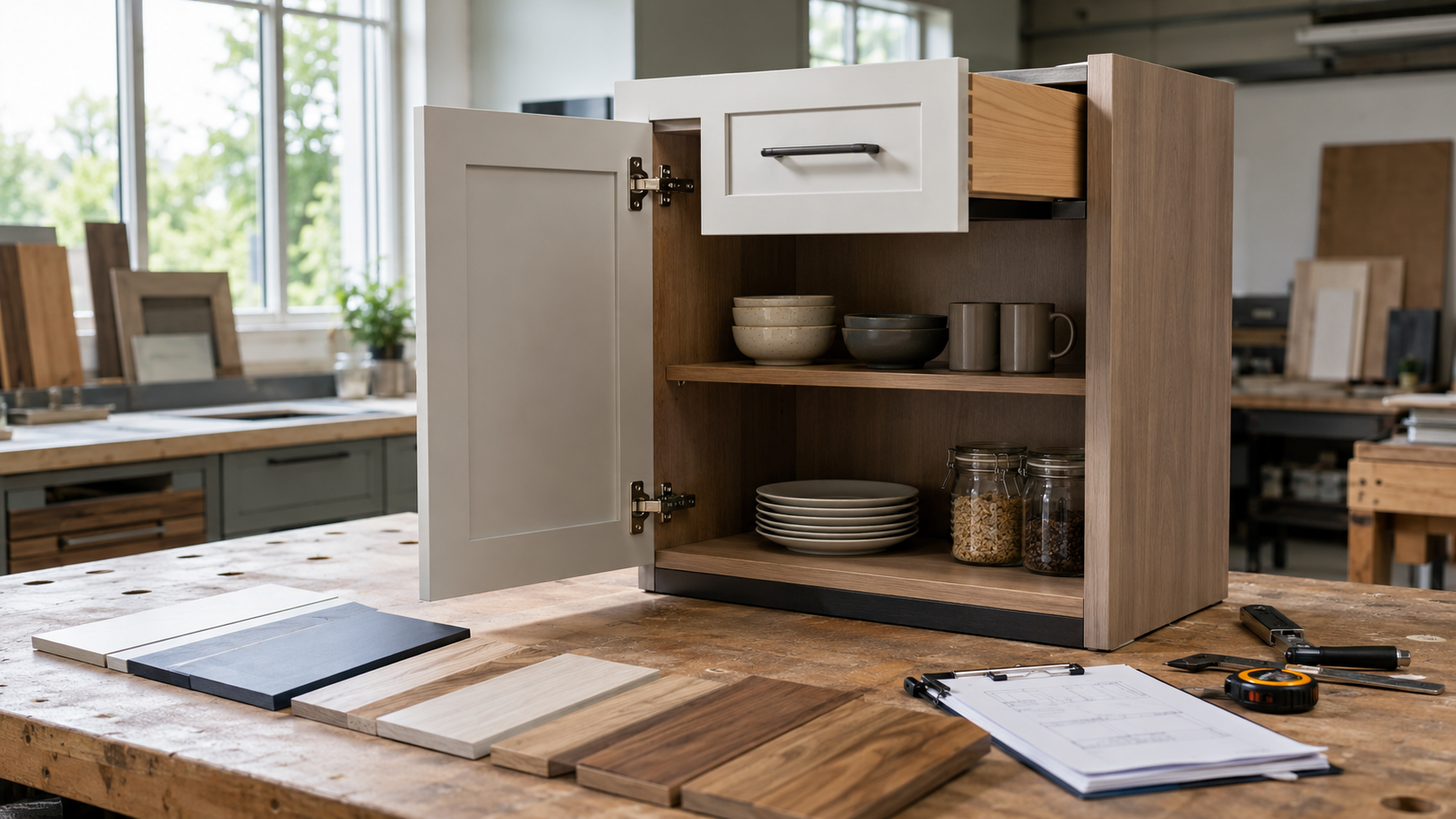
The inherently low tolerance for error associated with stainless steel as a material demands that the manufacturing facility possess an exceptionally high level of proficiency in translating technical drawings into physical products. On-site physical drilling and cutting operations inevitably compromise the rust-inhibiting crystalline layer on the steel's surface. VSME’s technical middleware platform mandates 1:1 3D data modeling for every project, ensuring that clearances for building utility lines—as well as ventilation gaps for built-in appliances (such as dishwashers and steam ovens)—are calculated with a precision of 0.5 mm. By directly linking CAD data to laser cutters and automated bending centers, we translate complex, custom-shaped finishing details into standardized metal fabrication parameters. This "data-first, factory-finalized" methodology ensures that, upon arrival at overseas project sites, all components require nothing more than standardized, modular assembly.
The cross-border transport of heavy metal components necessitates a systematic approach to packaging and isolation. VSME implements rigorous anti-scratch protection protocols for its stainless steel cabinetry: all painted or brushed-finish door panels must be covered with a double layer of PE protective film before leaving the production line. For corners—which are particularly susceptible to compressive stress—we employ highly resilient L-shaped EPE foam guards before encasing the entire unit in a five-layer, extra-thick honeycomb cardboard carton. To withstand the complex stacking environments typical of shipping containers, entire orders are consolidated onto fumigation-free, steel-strapped wooden pallets. Prior to shipment, every set of stainless steel kitchen cabinets undergoes a 100% physical pre-assembly process to verify the smooth operation of hardware components and the precise alignment of door seams, thereby guaranteeing a seamless "unpack-and-install" experience following long-distance sea transit.