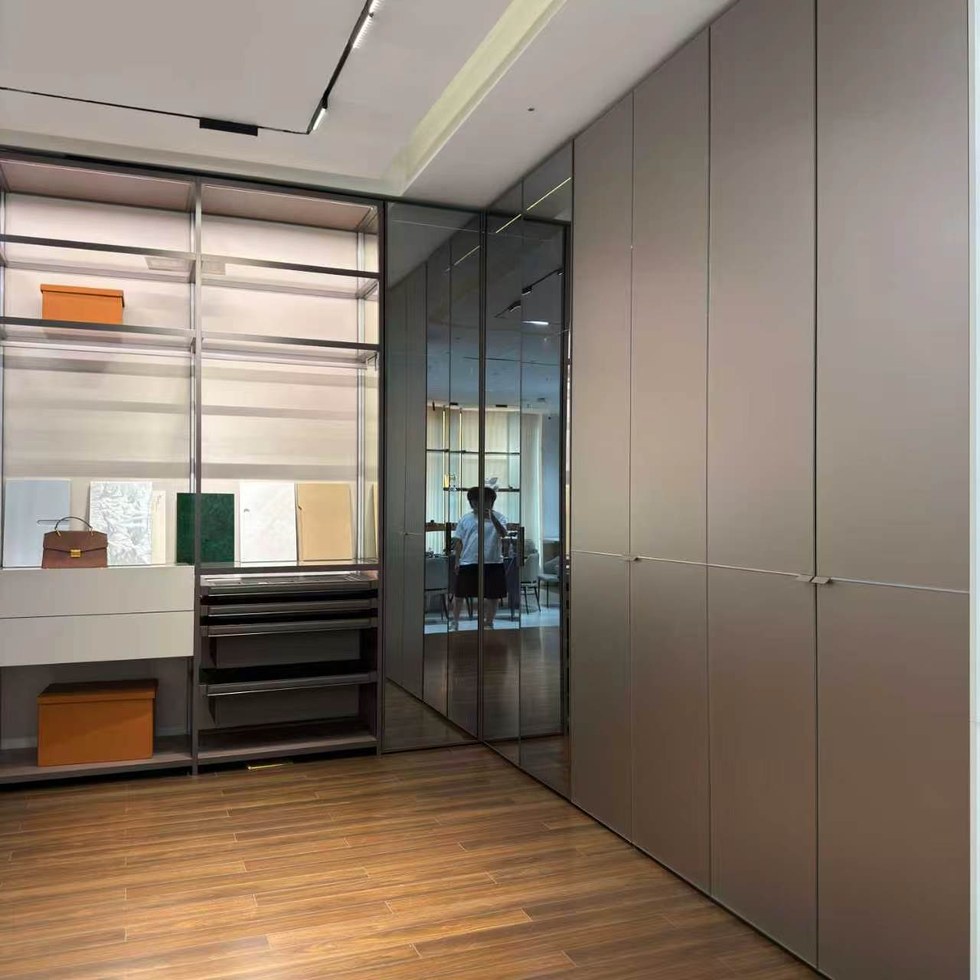
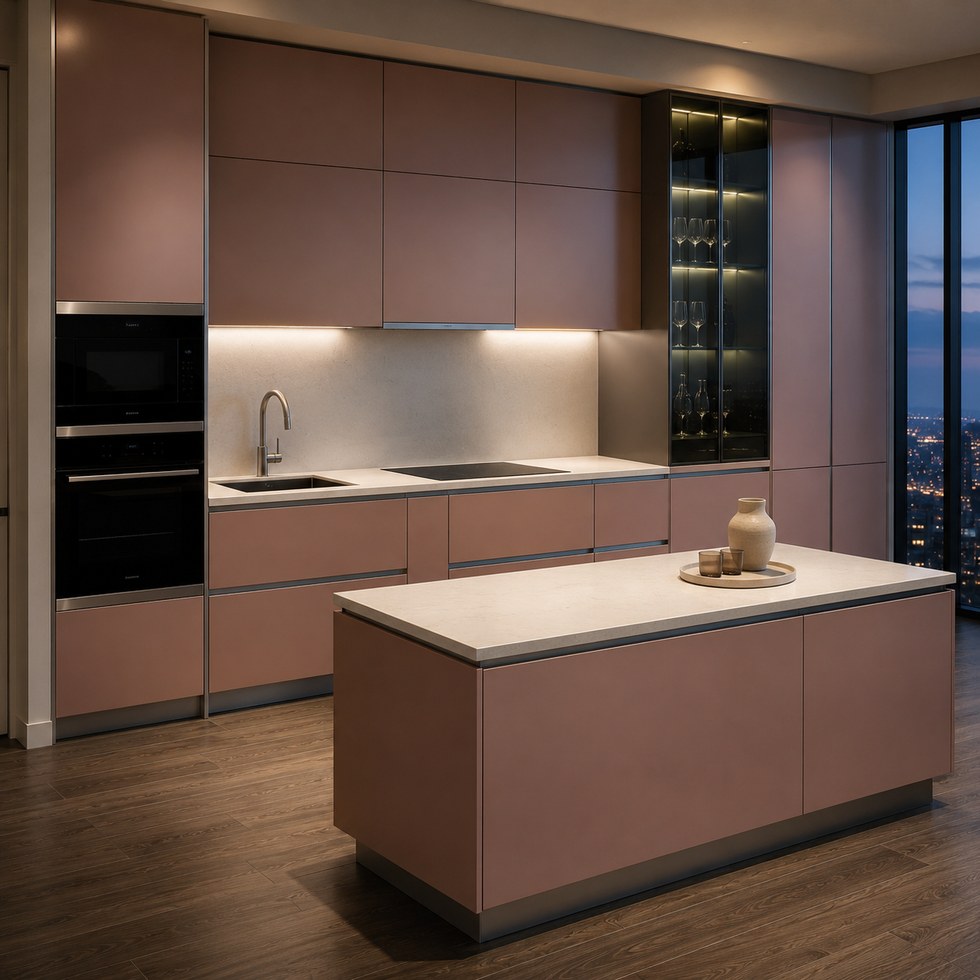
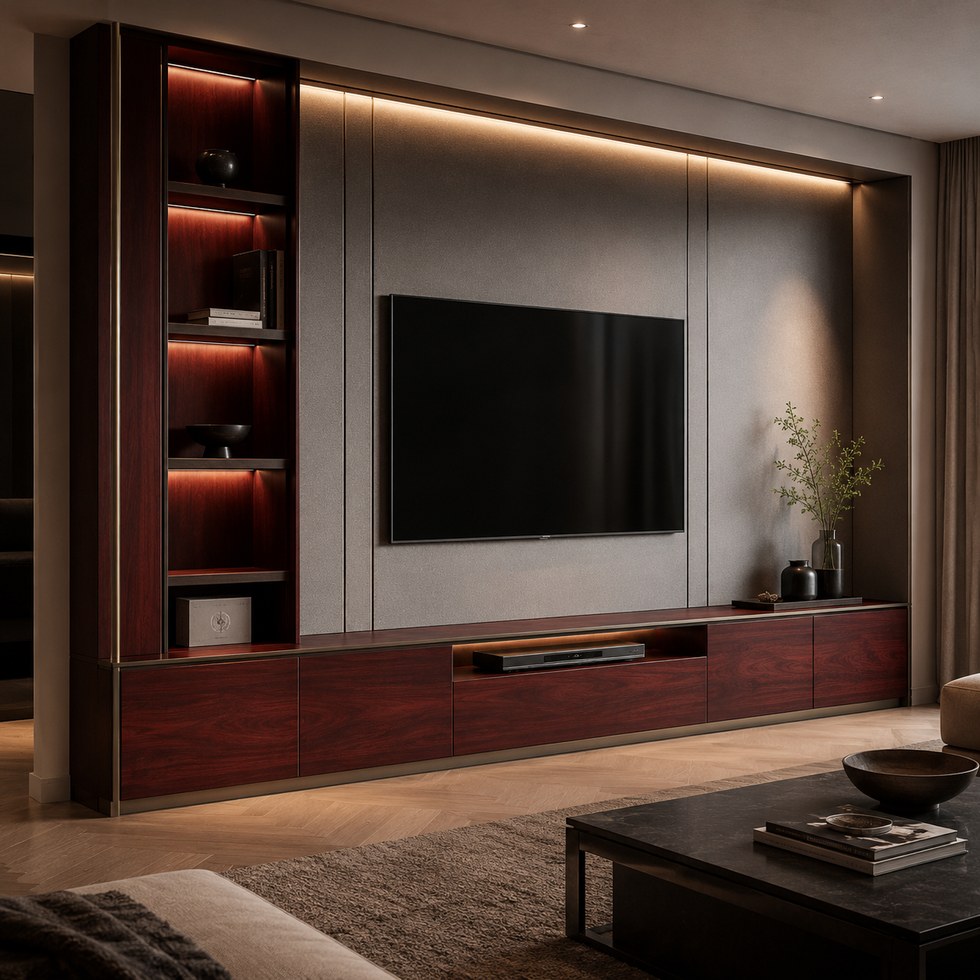
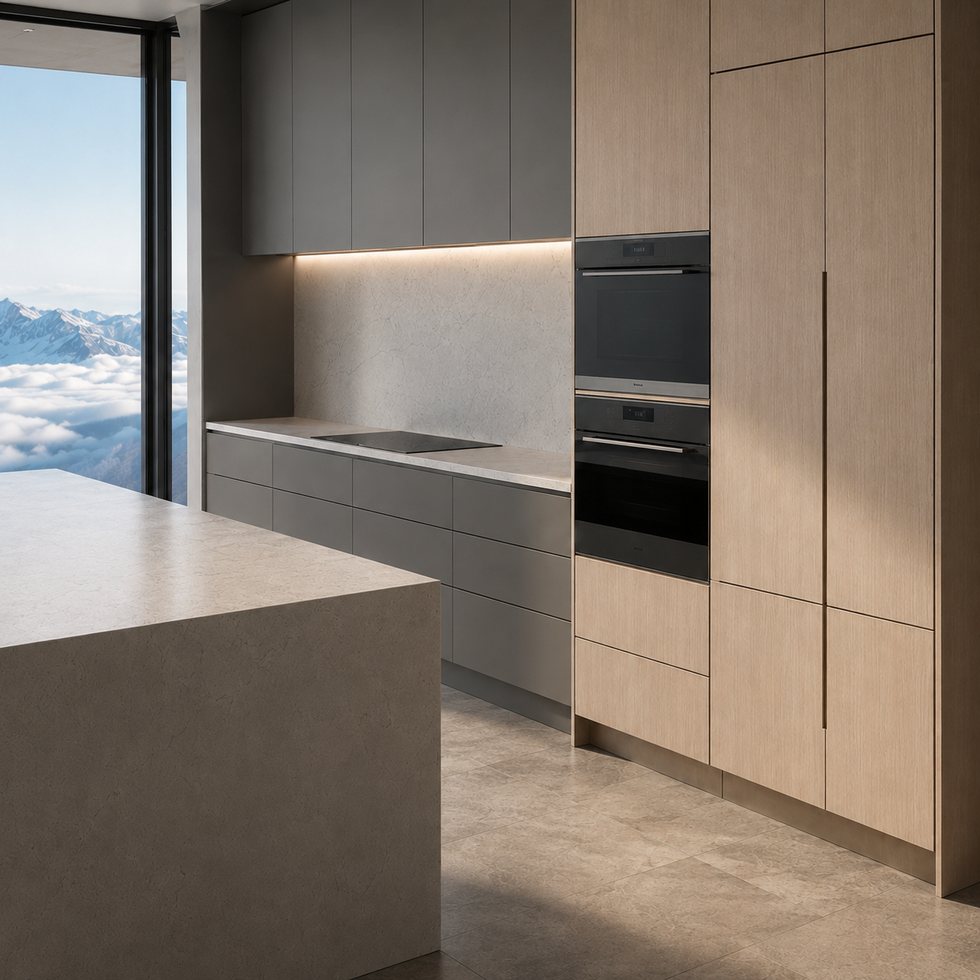
Short answer: you can import custom cabinets from China to the U.S., but check the duty first. Wooden cabinets and vanities from China are subject to U.S. anti-dumping and countervailing duty orders, and those duties can be large enough to wipe out the price difference. Ask a licensed customs broker to confirm the duty for your exact product and supplier before you pay a deposit. If the numbers still work, the rest is a sequence of well-defined steps: freeze the order, agree the delivery term, file the paperwork, inspect, ship, clear customs and install.
This page walks through those steps in order and shows who usually handles each one. It is a practical checklist, not legal or customs advice for a specific shipment.
Step 0: Check the duty before anything else
The U.S. International Trade Commission record for wooden cabinets and vanities from China (investigations 701-TA-620 and 731-TA-1445) covers these products. Whether a duty applies, and at what rate, depends on the product scope and the exporter. Send your broker the product description, materials, the manufacturer and exporter names, and the quoted value, and ask for the total duty and entry cost. Add that figure to the factory price before comparing with a U.S. supplier. Products made mainly of metal (for example stainless steel or aluminium cabinets) may be treated differently, which is another reason to ask about your actual specification.
The import sequence at a glance
Step
What happens
Who usually does it
When
1. Freeze the order
Drawings, cabinet list, materials, hardware and quantities approved
You and the factory
Before deposit
2. Agree the delivery term
Incoterm and named port (e.g. FOB Nansha), who books freight and insurance
You and the factory
In the contract
3. Production
Cutting, finishing, assembly, trial fit
Factory
About 45–55 days at VSME, after payments reach 50% of the order value
4. Pre-shipment inspection
Goods checked against the drawings before the balance is paid
You, your agent or an inspection company
End of production
5. Importer Security Filing (ISF)
Shipment data sent to U.S. Customs
Your customs broker or forwarder
At least 24 hours before the container is loaded in China
6. Ocean freight
Container or shared (LCL) shipment to a U.S. port
Your forwarder (FOB) or the factory (CIF/DDP)
Typically around 2–3 weeks to the West Coast and longer to the East Coast, port to port
7. Customs entry and duty
Entry filed, duties paid, bond in place
Your customs broker, as importer of record or for you
On arrival
8. Delivery and installation
Trucking from the port, unpacking, installation by local trades
Your installer and trucking company
After release
Transit times change with routes and season, so ask your forwarder for the current schedule. Our lead time guide explains how the production clock is counted.
Paperwork and rules to plan for
Customs bond and formal entry. Commercial shipments above USD 2,500 normally need a formal entry and a customs bond. Your broker can arrange both.
TSCA Title VI (formaldehyde). Composite wood panels such as MDF, particleboard and hardwood plywood, and finished goods containing them, must meet EPA's Title VI requirements, and importers have record-keeping duties. Ask the factory for the panel producer's documentation for the boards actually used. See our TSCA Title VI cabinet guide.
Wood packaging (ISPM 15). Solid-wood pallets, crates and dunnage must be treated and marked under U.S. APHIS rules. Cartons and engineered-wood packaging are treated differently, so confirm what your shipment uses.
Documents. Commercial invoice, packing list, bill of lading and any compliance records should all describe the same goods, quantities and parties.
Choosing a delivery term
FOB (the factory loads the goods onto the ship at the Chinese port) gives you the most control: your own forwarder handles freight, insurance and U.S. clearance. CIF adds ocean freight and insurance to the factory's price. DDP means the seller delivers with duties paid, but check carefully who acts as importer of record and how the duty was calculated. A low DDP price that ignores anti-dumping duty is a risk you may still carry. Whatever term you choose, write the named port and the Incoterms edition in the contract.
What we handle on the export side
For U.S. orders, VSME (Foshan Moyisi Home Furnishings Co., Ltd.) prepares the shop drawings for your approval, builds and trial-assembles the cabinets, groups and protectively packs the modules and fittings, prepares the export documents, and loads the container at Nansha, Guangzhou. You are welcome to send an inspector before the balance payment. We can quote on FOB, CIF or DDP terms; for the U.S., we recommend your own customs broker confirms the duty treatment first. Prices are explained in our cost guide.
Importing cabinets to the U.S.?
Tell us your rooms, sizes and delivery city, or send your floor plan on WhatsApp. We quote FOB, CIF or DDP and list what each price includes, so you can work out your landed cost.
Is it cheaper to import kitchen cabinets from China to the U.S.?
Sometimes, but not automatically. Once anti-dumping and countervailing duties, freight, brokerage and installation are added, a factory-direct kitchen can cost as much as, or more than, a domestic one. Get the broker's duty figure first, then compare delivered totals.
Who is responsible for U.S. customs entry?
The importer of record, usually you or your customs broker acting for you. Under DDP the seller may take this role, which should be confirmed in writing.
Do I need to fill a whole container?
No. A single home's cabinets can ship in a shared (LCL) container or a 20 ft container. Your forwarder can compare the cost of each.
What should my installer receive?
The approved drawings, the cabinet list matching the carton labels, the hardware list and appliance cut-out details, so that the cabinets can be identified and fitted without guesswork. Our pre-packing checks cover what to confirm before the goods leave the factory.
We use cookies to offer you a better browsing experience, analyze site traffic and personalize content. By using this site, you agree to our use of cookies. Privacy Policy