You have chosen a kitchen and a set of bedroom wardrobes, and the supplier has sent the order for approval. Then you start to wonder: should the kitchen have more drawers? Will the wardrobe still fit if the bed is larger than planned? What happens if you decide to change one room after paying?
Changes are often possible, but their cost depends on what has already been designed, purchased or made. The useful question is not simply whether a supplier accepts changes. It is what happens to your price, payment and delivery date at each stage.
Some decisions are more expensive to revisit than others
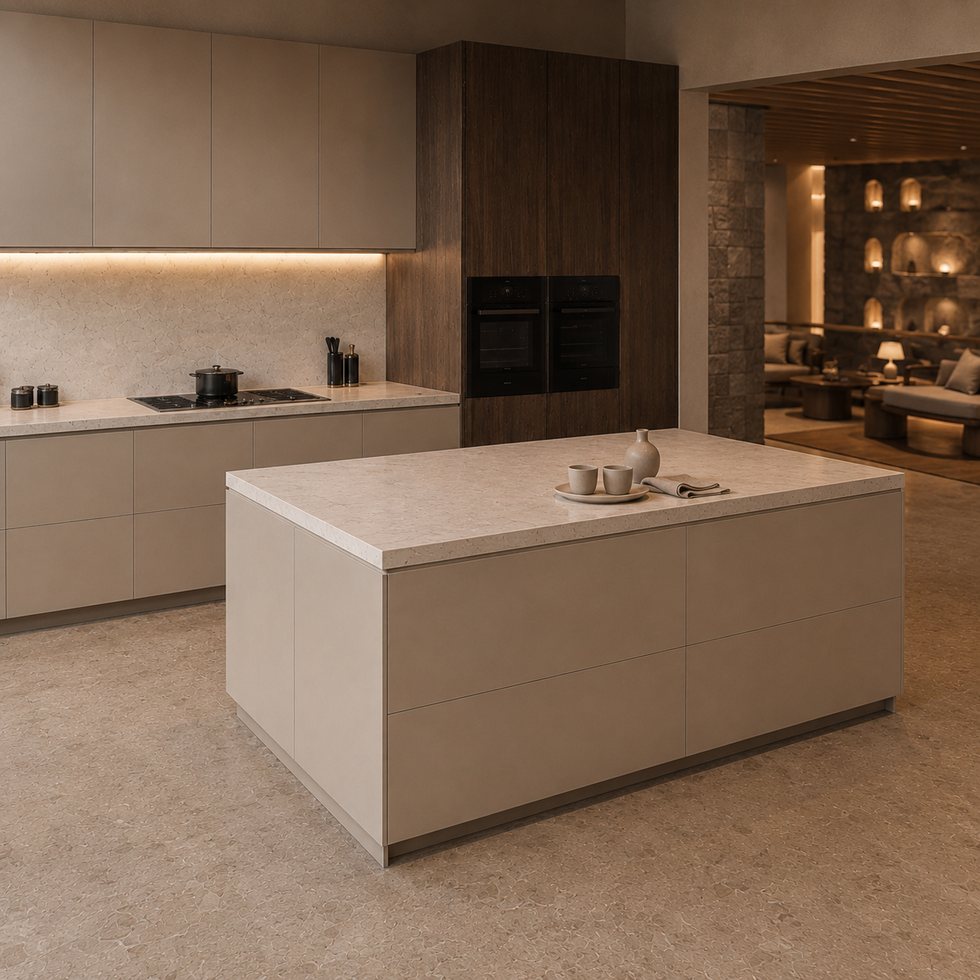
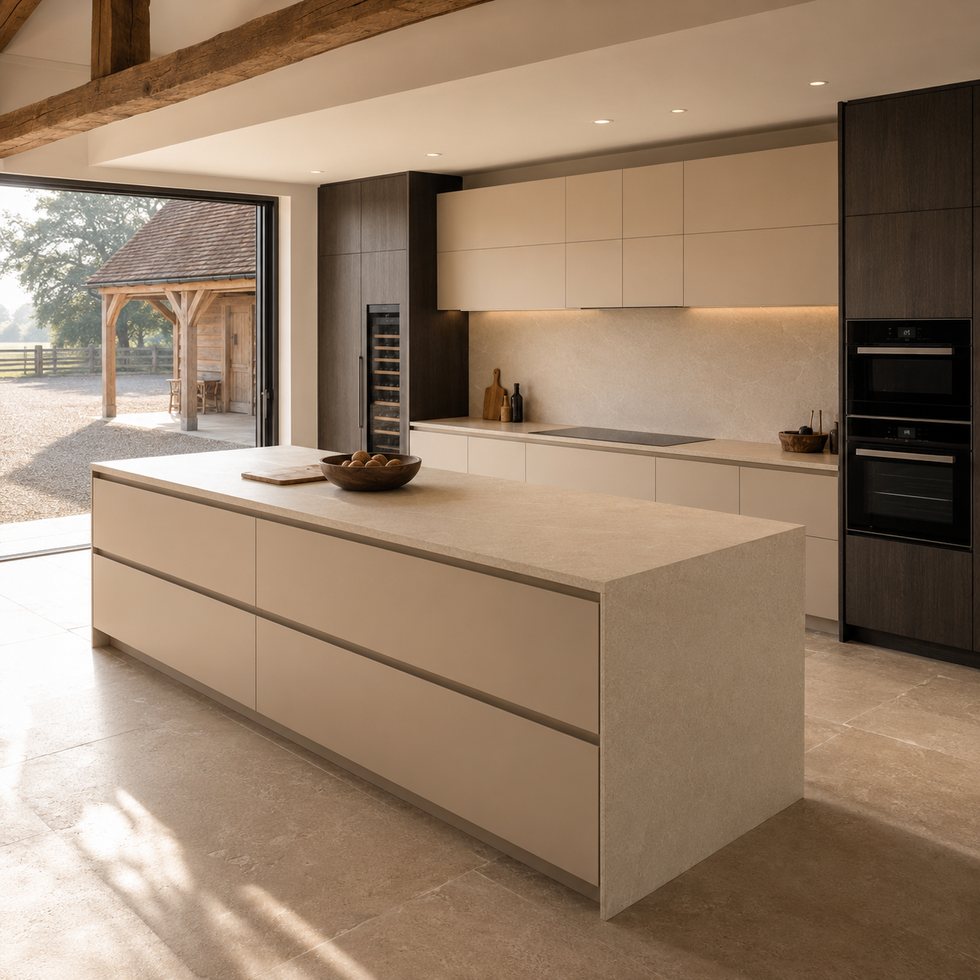
A handle style may look like a small detail, but changing it can affect the door if holes have already been drilled. Adding drawers can change the cabinet interior, the hardware and the price. Moving a tall kitchen cabinet may also affect the countertop and the position of an appliance.
In a wardrobe, changing a shelf position on a drawing can be straightforward. Changing the width after panels have been cut is a different request. A new finish may also require a fresh sample or different materials, even if the cabinet dimensions stay the same.
Before approving an order, focus on the decisions that affect other purchases or parts of the room:
Kitchen layout: the positions of major appliances, sink, tall cabinets and island.
Wardrobe size and access: the space available beside the bed and how the doors and drawers will open.
Visible finishes: the actual color and texture you want to live with, checked against a physical sample where available.
Storage you use every day: the balance of drawers, shelves and hanging space.
You do not need every decorative choice settled on the first day. Ask your supplier which choices can wait, when each must be confirmed, and whether waiting affects the schedule.
The same change can have a different price at a different time
Imagine a kitchen and wardrobe package with a goods price of $12,000: $8,000 for the kitchen and $4,000 for the wardrobes. Before production, the homeowner decides to add a bank of kitchen drawers. In this invented example, the revised cabinets cost $300 more and the supplier charges $200 for the additional design work. The change adds $500.
Now imagine the request arrives after the original cabinets have been made. The supplier quotes the same $300 upgrade plus $900 for replacement components, and the local installer quotes $400 for additional work. The change adds $1,600 to the original package price. These figures illustrate how the timing can matter; they are not supplier rates or estimates for a real project.
If the cabinets have already shipped, ask for a fresh quotation that also identifies any extra transport and the effect on the installation date. Do not assume that a supplier will charge every item in this example, or that it will be able to reuse the original components. The actual answer depends on the order and the agreement.
What should the supplier tell you before you pay?
Ask for the stages of your particular order in plain language. When does the initial design become a detailed drawing? When are materials ordered? What approval authorizes cutting? You can then see which decisions are still open at each payment stage.
A useful answer explains more than the deposit percentage. Ask whether a proposed revision includes design work, new materials and any unused components. If you decide to remove the wardrobe from a combined order, request a revised price for the remaining kitchen and any revised delivery costs. Removing an item does not necessarily reduce the total by the amount you expected, particularly if the original package included shared services or depended on a minimum order.
Also ask what happens if you choose not to continue. Which work or materials would be charged for, and how would any unused payment be handled? Get the answer in the quotation or contract for your project. Terms vary, and a change-of-mind request is different from a claim about a defect.
A local cabinetmaker may be able to visit the home, discuss a change face to face and arrange a site adjustment. That can be valuable during a renovation, especially if walls or flooring will only be exposed after the old kitchen is removed. But local custom cabinets can also be costly to alter once materials are ordered or work has begun. Ask about the supplier’s own cut-off dates and charges.
A Foshan factory can be worth comparing when the kitchen and several wardrobes are being made together. The buyer should still plan for local measurements and installation, and find out how a late change would reach the site. A replacement panel may need to be manufactured and shipped; a local installer may charge separately for returning to fit it.
For either route, ask the installer what happens if site conditions differ from the drawing. An allowance for small adjustments can be useful, but it should not be treated as a price for redesigning the kitchen.
Which suppliers could you ask?
Start with a local cabinetmaker who can review your renovation and quote for the kitchen and wardrobes you need. Ask whether measurement, design revisions and installation are included. If a local retailer offers a standard system, check whether individual parts can be exchanged or reordered under its terms.
For a Foshan comparison, YIDA Home presents kitchen, wardrobe and bathroom cabinetry and describes design and remote installation support on its website. Ask how design changes are priced for a single-home order and who would handle fitting at your address.
ZOFA presents kitchens, wardrobes, bathroom vanities and laundry cabinets, and advertises a five-year warranty. Request the warranty document and ask separately how voluntary changes are handled before and after production.
Our company, Foshan Moyisi Home Furnishings Co., Ltd., offers custom cabinetry through VSME, a brand of Moyisi. They are two names for one supplier. Our published buyer facts describe the rooms we serve and our order minimum. Ask us to identify the approval and change terms for your own kitchen and wardrobe proposal.
These are starting points for enquiries, not a ranking. A useful comparison is the response each supplier gives to the same real question: “If I change this wardrobe or add these drawers after approval, what will you charge, and when could I receive the revised items?”
Leave yourself a decision window
If the kitchen layout is ready but a bedroom is still uncertain, ask whether the wardrobe can be finalized later without delaying the whole order, and what that would cost. If it cannot, compare the value of waiting with the option of buying that wardrobe locally. Avoid adding a room merely to reach an order minimum.
Before giving final approval, walk through the proposed rooms with the people who will use them. Picture where plates, coats and luggage will go. Check the space around the bed and the direction of each important door. A short review at this point can make a custom order feel much less final—and help you spend on the changes that actually improve daily life.
We use cookies to offer you a better browsing experience, analyze site traffic and personalize content. By using this site, you agree to our use of cookies. Privacy Policy