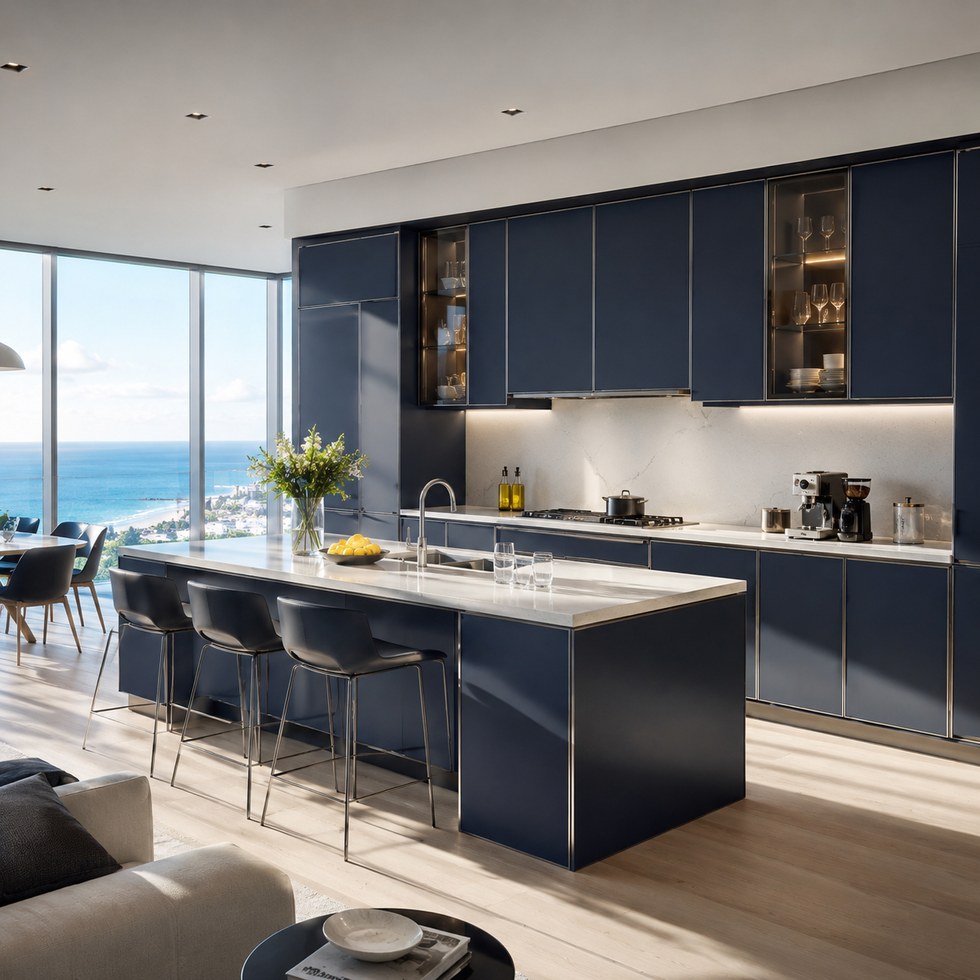
Your new-build quote includes an allowance for the kitchen. Then you see a cabinet price from another supplier—or a factory in China—and wonder whether buying separately could leave more money for the wardrobes.
The first number to find is not the alternative kitchen price. It is the amount your builder will actually deduct if you change the arrangement, and what work will still be needed to finish the kitchen. Only then can you compare the options for your whole home.
Find out what the allowance is meant to buy
Ask your builder for the kitchen scope behind the allowance. Does it cover the cabinets, benchtop, delivery and installation? Are handles, a pantry, appliance panels and splashback included? A contract may show one figure even though several suppliers or trades contribute to the finished room.
Then ask a separate question: if you arrange the cabinetry yourself, what credit will be given and what work will the builder still provide? Get the answer in writing. The credit may depend on the contract and the work removed; do not assume it equals the entire allowance.
For example, imagine a contract contains an NZ$30,000 kitchen allowance. After discussing a buyer-supplied cabinet package, the builder offers a NZ$22,000 credit and retains other work in the contract. The numbers are invented to illustrate the decision. The buyer has NZ$22,000 to offset the alternative purchase—not necessarily NZ$30,000—and needs to understand exactly what the retained amount covers.
Ask whether the credit changes if you keep the builder’s benchtop supplier or use the builder’s installer. Also check when the credit is applied, whether the amount includes GST, and how any changes to the contract price will be documented.
Compare the cost of the home you will receive
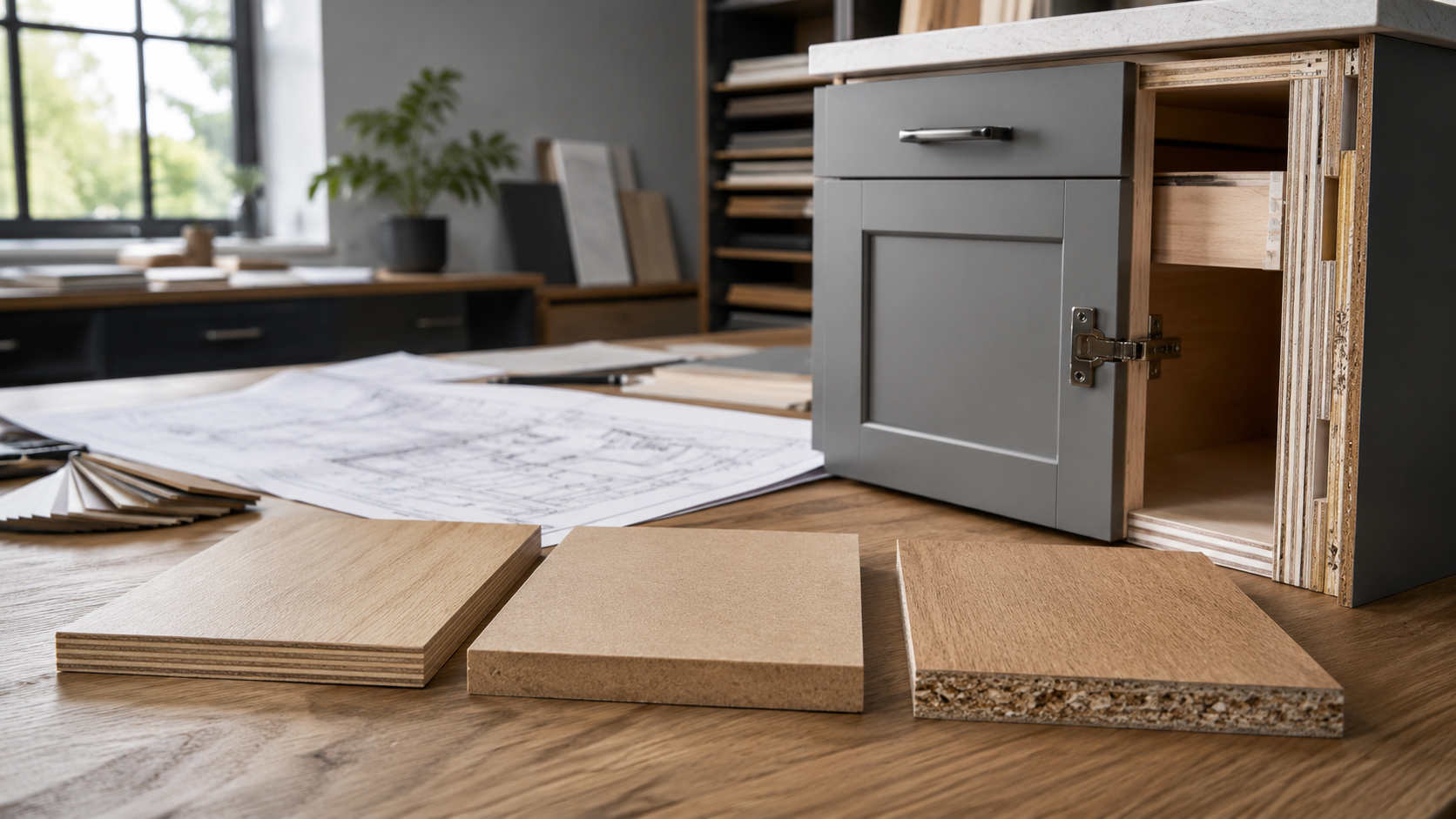
Take the revised building contract price after the agreed credit, then add the costs of completing the alternative kitchen. Depending on the proposal, these may include cabinets, delivery, unloading, assembly, installation, benchtop templating and fitting, and any plumbing or electrical work outside the builder’s retained scope.
For a direct factory order, also obtain figures for the international shipment, insurance, customs clearance, applicable import charges and delivery in New Zealand. Check the named delivery point and what is already included so that a charge is not counted twice. Ask a customs broker to assess the actual goods and shipment rather than assuming a duty rate.
Compare that result with the cost of keeping the builder’s kitchen, including any upgrades you want. Use the same GST basis for both. If the builder’s proposal includes a benchtop and the factory proposal does not, add the same proposed benchtop to the factory option before judging the difference.
A lower cabinet invoice can still be worthwhile, but it is the change in your total project cost that tells you how much is available for wardrobes or other priorities.
Put the wardrobes into the comparison early
Bedroom storage may sit outside the kitchen allowance, or the building contract may include a basic wardrobe fit-out. Ask what is provided in each bedroom: doors, shelves, rails and drawers can be priced in different combinations.
Now compare three complete versions of the home:
Builder’s kitchen and builder’s wardrobes: establish the included layouts and the cost of changes you need.
Local kitchen and wardrobe suppliers: obtain prices for the same rooms and ask whether measuring, delivery and fitting are included.
Factory-made kitchen and selected wardrobes: price the imported goods and the New Zealand services needed to complete them, then add any wardrobes still bought locally.
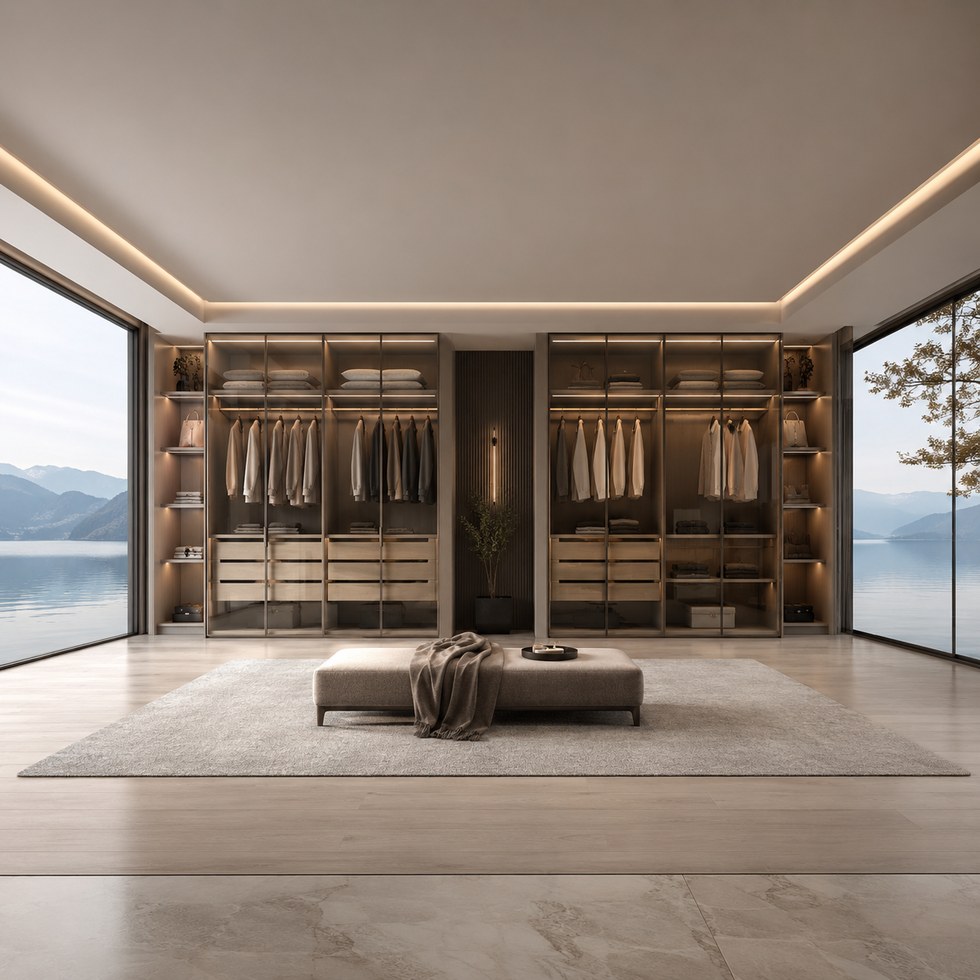
You do not have to move every room to one supplier. A coordinated kitchen and main-bedroom wardrobe may be worth pricing together while simpler bedroom storage remains with the builder. Ask for a revised factory and freight quote for that smaller package: removing rooms may change the price or whether the order meets the supplier’s minimum.
Equally, there is little value in adding cupboards you do not need merely to make an import order larger. For a closer look at choosing useful storage before paying for upgrades, see our kitchen and wardrobe budget guide.
Who can you ask to price the alternatives?
Your builder’s nominated kitchen supplier is a useful starting point because it can explain the allowance and price changes to the included design. Ask whether you can review the wardrobe scope at the same time.
For another local comparison, ADI New Zealand says it designs and manufactures kitchen cabinets and interior products for the trade. Ask whether it can quote through your builder and which parts of your project it would supply. OPPEIN Home NZ offers kitchens and wardrobes and describes local design and installation services. Confirm the service area and the written scope for your address.
For a direct Foshan comparison, our company, Foshan Moyisi Home Furnishings Co., Ltd., manufactures custom cabinetry through VSME, a brand of Moyisi. The two names represent one supplier. Ask us to quote the kitchen and the wardrobes you actually want, with the supply and delivery boundaries shown separately.
These are different purchasing arrangements. A New Zealand supplier may offer measuring and fitting as part of its proposal; a direct factory quote may need separate local services. Ask each supplier what it can provide for your particular build, rather than assuming that every quote ends at the same point.
Agree the handover before changing the contract
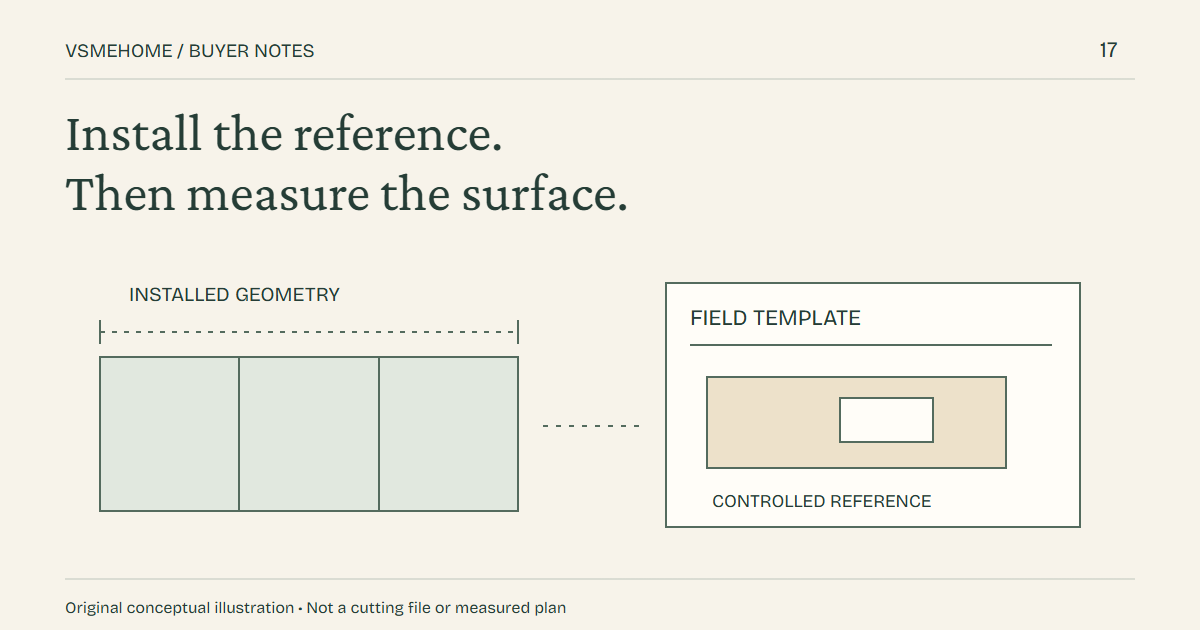
Before committing to a separate order, discuss it with the builder and a proposed installer. Who will confirm the finished room measurements? When must the cabinets be on site? Who will receive and unload them, and where can they be stored? If the kitchen arrives flat-packed, ask the installer to price assembly as well as fitting.
For a locally supplied benchtop, establish when its supplier will measure and who will coordinate the sink and cooktop. If a panel is missing or a dimension needs attention, agree whom the installer calls and who pays for the resulting work under each contract.
These answers can affect the value of an apparent saving. A household that wants one party to manage the finished kitchen may prefer the builder’s or a local supplier’s proposal. A household comfortable arranging the local handover may find a factory order worth comparing, especially when it also needs fitted wardrobes. The decision becomes clearer once the credit, all remaining work and the rooms included are written down together.
We use cookies to offer you a better browsing experience, analyze site traffic and personalize content. By using this site, you agree to our use of cookies. Privacy Policy