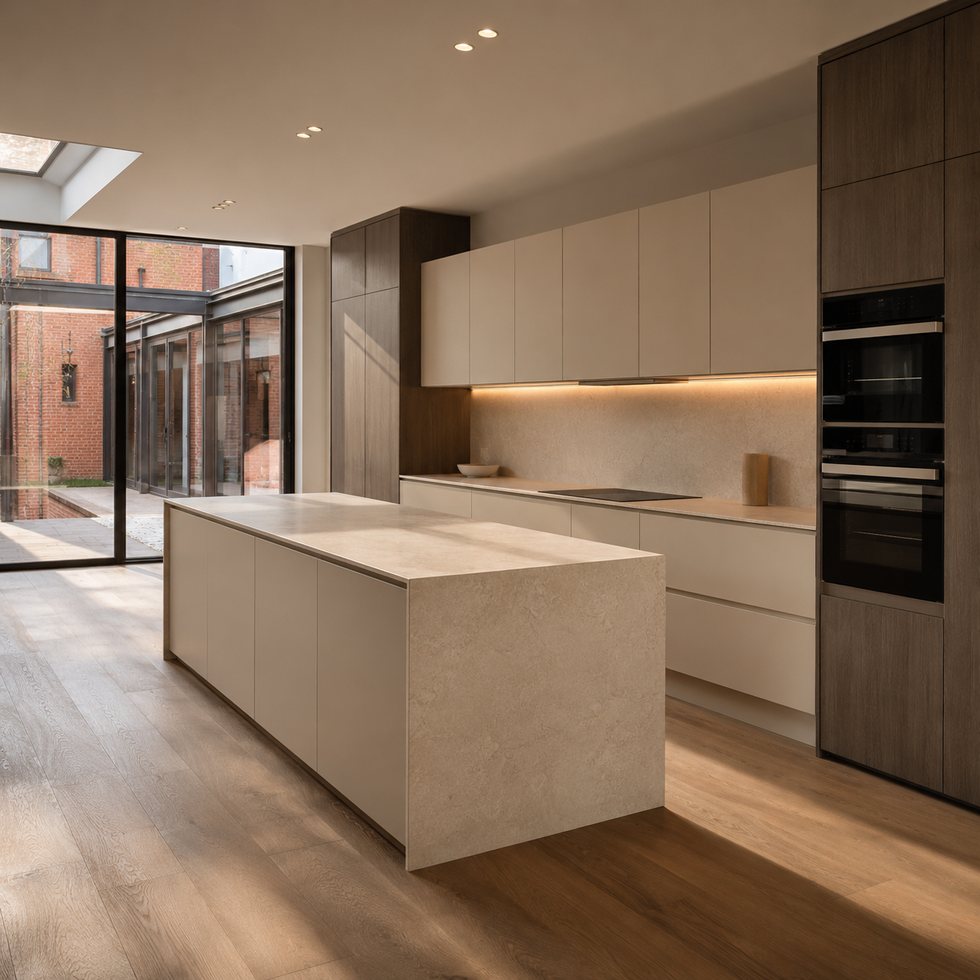
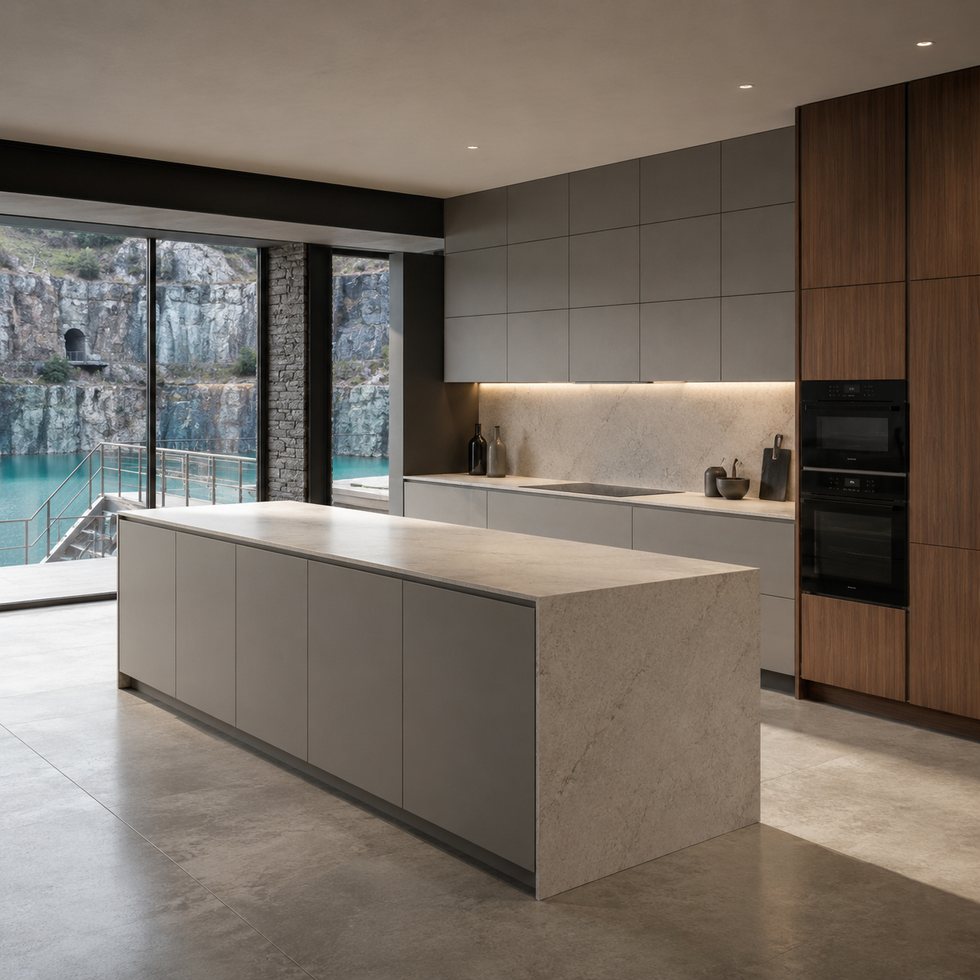
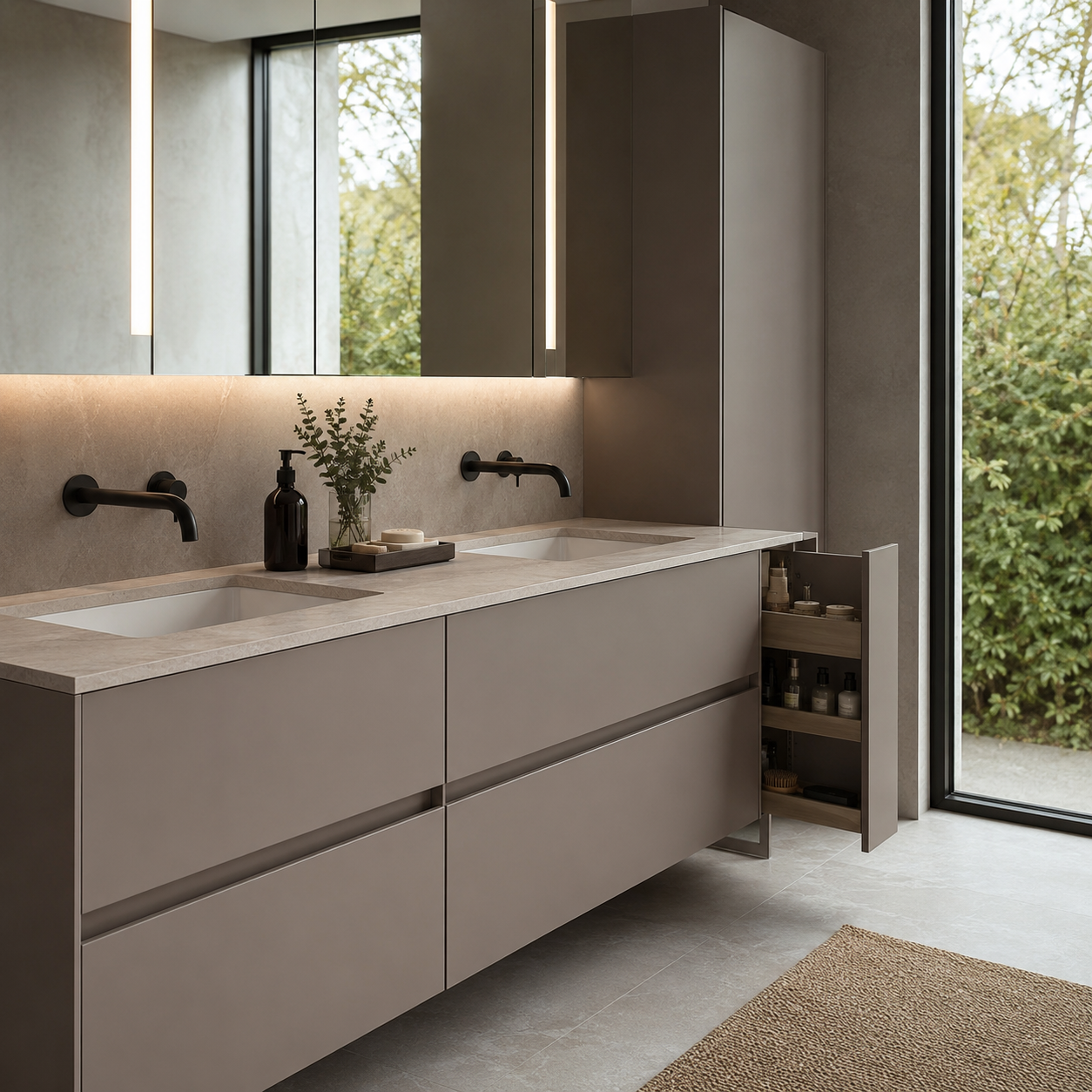
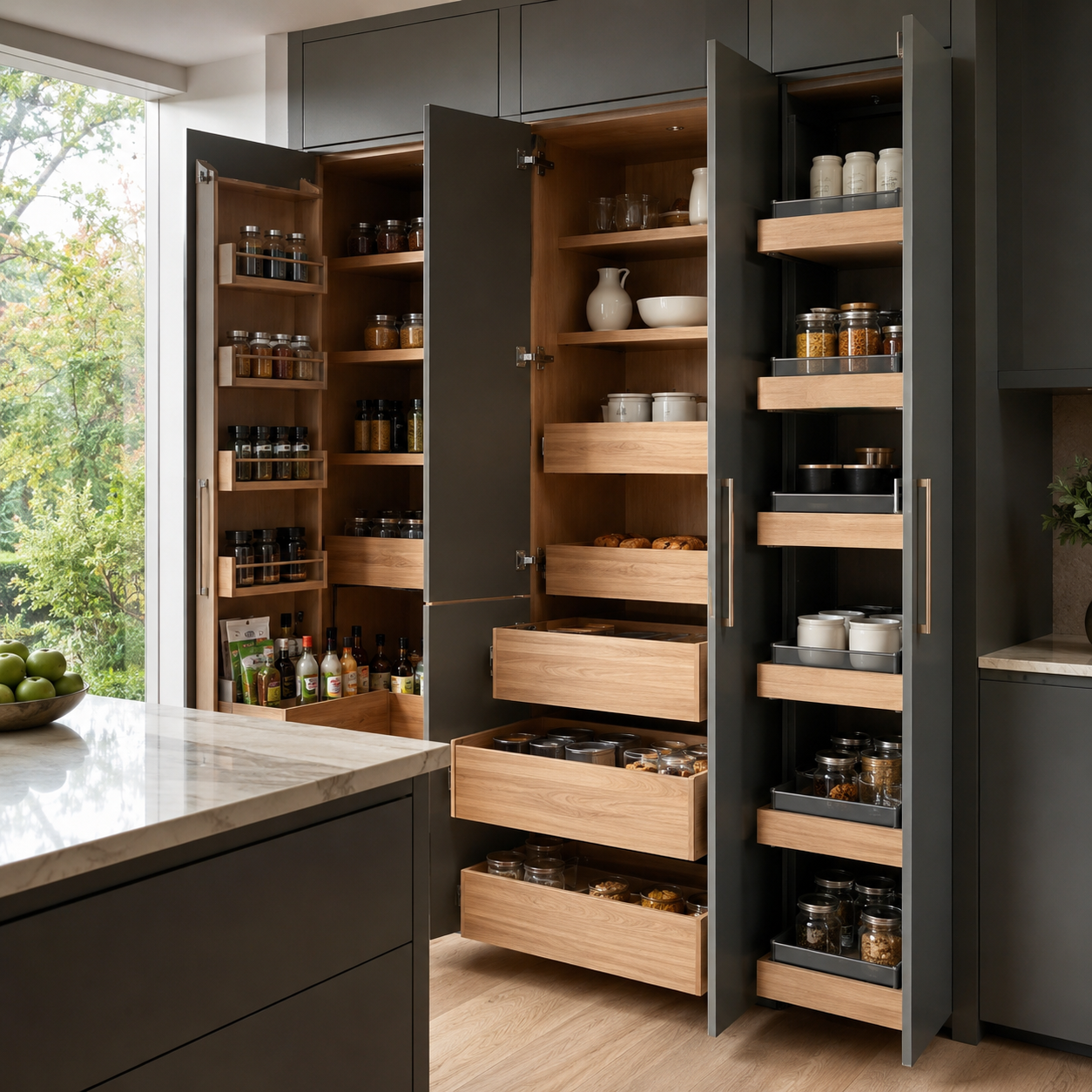
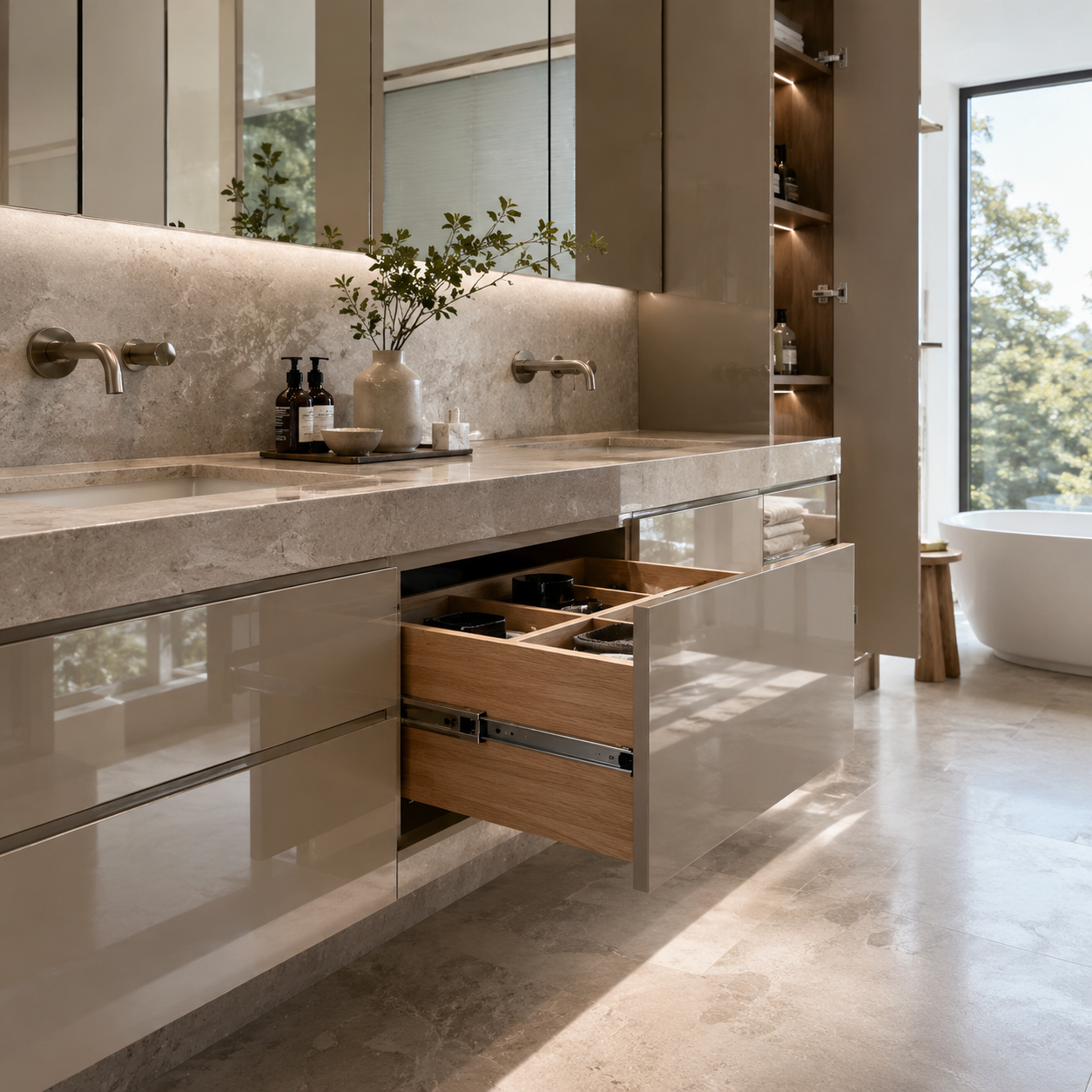
Vitrified Board Kitchen Cabinets: Material Questions for Project Buyers looks at vitrified board kitchen cabinet material questions through current industry signals and practical design detail. The topic matters because it affects project kitchen cabinets that require clear material, edge, hardware and finish assumptions, where material choice, layout, finish, lighting and everyday use often need to be considered together.
Quick Buyer Takeaways
Material names need to be connected to construction, edge treatment and real project conditions.
Ask for board thickness, surface finish, edge banding, moisture exposure and hardware compatibility.
Do not compare suppliers only by the product name; compare the full cabinet specification.
Keep samples, drawings and quotation notes together before approving production.
Industry Signal
Woodwork Institute presents NAAWS as an architectural woodwork standard known by architects, specification writers and millwork firms, which makes it a more direct reference for cabinet material and specification discipline than a general publications index.
Design and Material Reading
For an industry-news style article, the key is to explain what the signal means for project kitchen cabinets that require clear material, edge, hardware and finish assumptions. The most useful reading is the design direction, material choice or technical coordination behind the topic.
That means using professional vocabulary in a practical way: surface, substrate, edge detail, lighting, hardware, storage logic, maintenance and site conditions should appear when they are relevant to the topic.
For designers, contractors and distributors, those details are more valuable than a broad product label because they clarify how the idea performs in a real space.
Why Material Questions Need a Specification Mindset
A buyer may search for vitrified board kitchen cabinets, but a factory still needs a complete cabinet specification. The board is only one part of the final product; edge treatment, carcass construction, hardware and installation environment decide whether it fits the project.
Industry standards and guide specifications matter because they turn material discussion into repeatable requirements. Even when a buyer is not using a North American standard directly, the discipline of defining materials and drawings is still useful.
Material Details to Confirm Early
Confirm panel thickness, visible surface direction, backing material, edge banding color, heat and moisture exposure, cleaning expectations and whether the cabinets sit near sinks, dishwashers or cooking zones.
For larger project orders, request one sample set that shows the board, edge, handle, hinge or runner and any matching panel. A sample prevents the quotation from depending on a vague finish name.
How to Compare Supplier Answers
A stronger technical answer should identify assumptions: what is included, what still needs confirmation, what material alternatives exist and which choices may affect price or schedule.
For vitrified board kitchen cabinets, material evaluation should stay close to cabinet construction, edge detail, surface exposure and maintenance instead of relying on a product name alone.
Project Application Notes
In real projects, this topic usually appears around project kitchen cabinets that require clear material, edge, hardware and finish assumptions. The article should therefore explain the environment, the visual expectation and the technical decision points before it talks about ordering.
Professional readers also need to see the limits of the idea: where it performs well, what information is still uncertain and which details should be checked against the actual room, drawing or site condition.
A short application note is still useful because industry readers want to know how a trend or material choice becomes a drawing, sample or installation detail. It should not dominate the article.
Good application notes make the topic easier to evaluate because they connect appearance, performance, maintenance and site conditions in one place.
What should buyers confirm before ordering Vitrified Board Kitchen Cabinets?
Confirm dimensions, drawings, material or finish direction, hardware expectations, quantity, destination country and the room conditions that affect construction or maintenance.
Why is an industry reference useful?
It helps connect the topic to broader material, design and renovation signals rather than treating the product name as an isolated keyword.
Can one article replace a project quotation?
No. It helps buyers prepare better questions. Final construction, price, lead time, packing and commercial terms must be confirmed for the specific order.
We use cookies to offer you a better browsing experience, analyze site traffic and personalize content. By using this site, you agree to our use of cookies.Privacy Policy