When planning cabinetry and furniture for a typical three-bedroom family residence—such as a 160-square-metre home—the layout conversation is fundamentally different from that of a luxury estate. You are not designing grand temperature-controlled wine rooms or formal receiving salons. Instead, the focus is on practical, everyday family life: organizing school bags and sports gear, setting up a child's bedroom that remains functional as they enter secondary school, creating a practical work-from-home nook, and keeping overall household expenditure sensible.
For homeowners in markets like Australia and beyond, this raises a practical question: Does it make sense to order whole-house cabinetry from a Chinese manufacturing hub like Foshan for an average-sized home, or are local modular systems (such as flat-pack kitchen and wardrobe ranges available through national home improvement stores and furniture retailers) a better fit?
A 160 m² footprint is neither an automatic threshold for importing a container nor a reason to rule it out. What determines whether factory-direct joinery is worth the effort is not floor area alone, but how much custom, wall-to-wall storage you actually need, how much flexibility your family requires over the next decade, and who is handling the site installation.
One of the easiest ways to overspend or complicate a renovation is assuming every room requires the same joinery method. Looking at each living zone individually helps balance tailored fit with long-term adaptability.
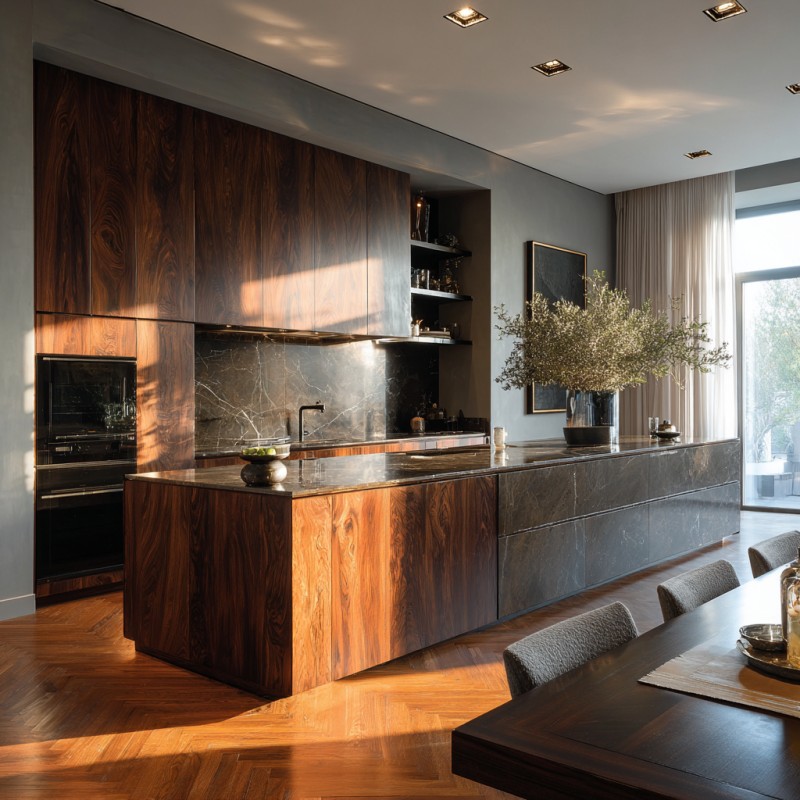
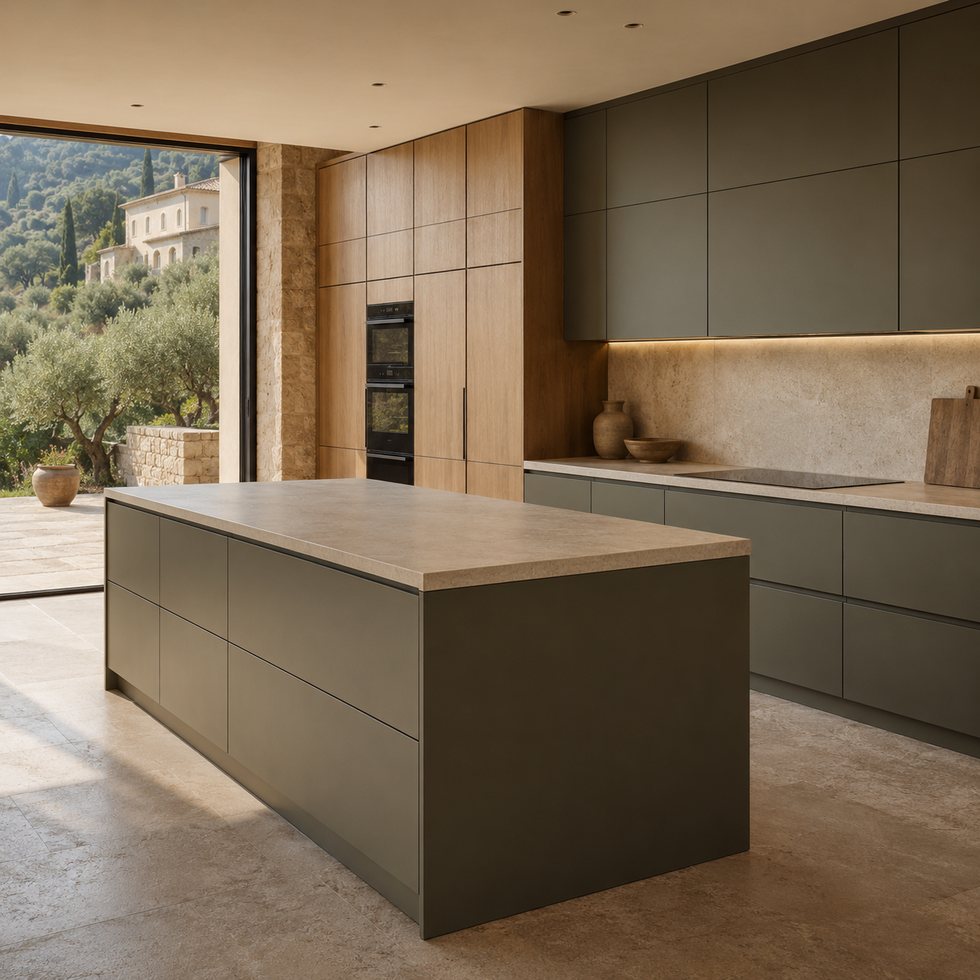
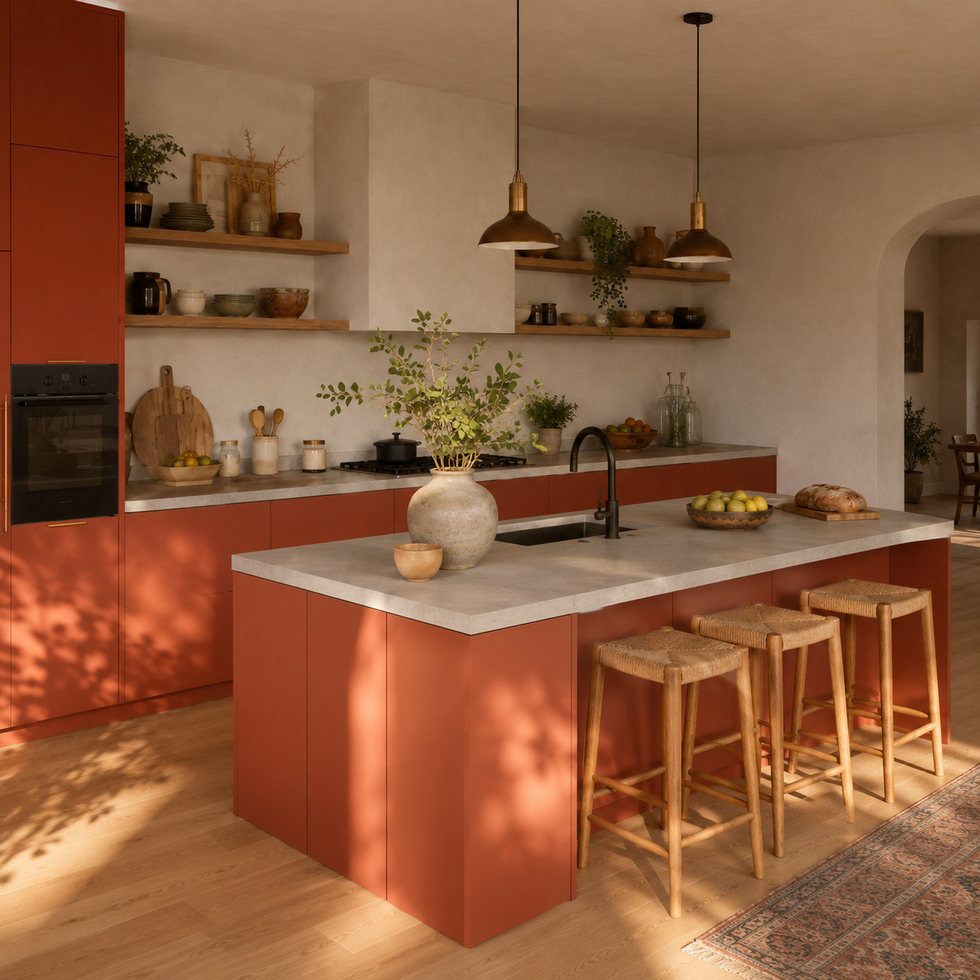
The kitchen is the mechanical hub of the house, involving precise connections between benchtop fabricators, plumbers, and electricians. Local modular systems (such as ranges from IKEA Australia or Bunnings/Kaboodle) offer accessible showroom support, documented modular carcass grids, and familiar assembly steps for local trades. If your walls follow standard dimensions and your layout uses straightforward straight or L-shaped runs, off-the-shelf modular units can deliver solid everyday functionality.
However, when a room layout has non-standard ceiling heights, awkward soffits, or tight recesses where standard modular cabinet widths leave unusable dead space, custom factory joinery comes into play. Direct manufacturing allows carcasses to be sized to your specific room elevations, accommodating ceiling-height pantry storage, integrated bin systems, and continuous panel runs without relying heavily on broad off-the-shelf filler pieces.
Designing a child’s room can be deceptive. A configuration that feels charming for a six-year-old—such as low open toy cubbies or a tiny integrated table—often becomes inconvenient by age twelve. Permanently built-in bespoke furniture can make future layout updates difficult and costly.
For growing children, prioritizing modular flexibility over rigid built-ins is usually the more practical path:
In a standard family home, a dedicated office often doubles as a guest room or occupies an open alcove near the living area. Standalone desks can easily accumulate loose cables, chargers, and desktop clutter in plain sight.
A built-in study run provides clear advantages here: desk worktops, cable pass-throughs, and upper storage can be aligned cleanly along one wall. Where the study space is in a shared room, sliding or pocket doors can conceal the work surface at the end of the day. If ordered alongside other home joinery, board finishes can be selected to coordinate with surrounding living room or bedroom furniture.
Before selecting between modular flat-pack systems and custom factory joinery, consider how each system performs as family routines evolve:
| Consideration | Local Modular System (Retail / Trade) | Direct Custom Factory Joinery | Practical Household Recommendation |
|---|---|---|---|
| Dimensional Fit | Built to fixed incremental widths, though some modular providers offer semi-custom panels and filler trims. | Manufactured to agreed millimetre dimensions to suit specific wall and ceiling heights. | Custom sizing is advantageous for alcoves, non-standard ceiling heights, or full-height pantries; modular works well along open, straight walls. |
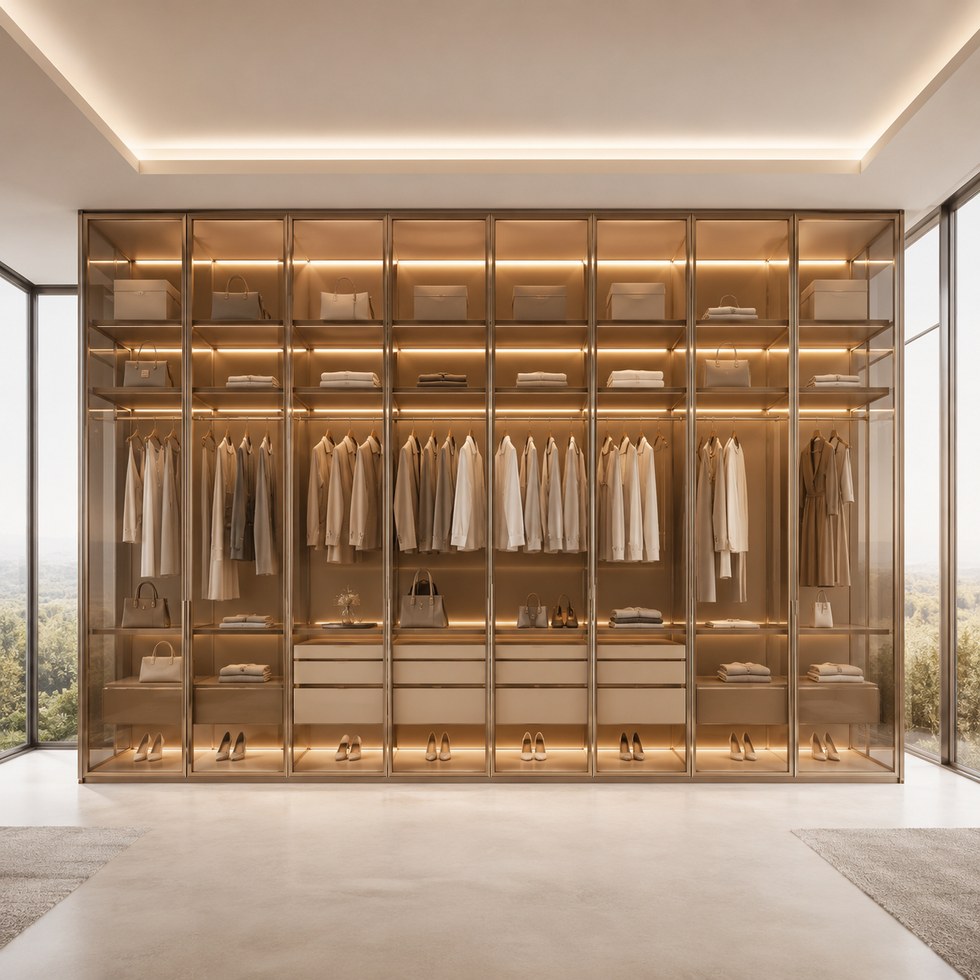
| Internal Layout Changes | High everyday flexibility using pre-drilled pin systems and modular interior organizers from the catalog. | Internal shelving and drawer layouts are set during drawing sign-off; adjustable pin drillings should be explicitly requested. | Always specify adjustable shelving pin arrays in wardrobes and utility cupboards so internal storage can adapt over time. |
| Finish Coordination Across Rooms | Constrained by catalog finishes; kitchen door styles and bedroom wardrobe ranges may not share identical finishes. | A single factory can supply matching or coordinated melamine, lacquer, or veneer finishes across kitchens, robes, and consoles. | While custom factories can use the same finish batch across multiple rooms, natural wood veneers will naturally exhibit grain variations. |
| Maintenance & Hardware Replacement | Hinges, drawer slides, and standard replacement panels can often be sourced through local branch networks. | Damaged panels or proprietary trim pieces require international communication, remaking, and transit time. | Specify widely distributed hardware mechanisms (such as standard Blum, Higold, or DTC lines) rather than obscure proprietary fittings to simplify future maintenance. |
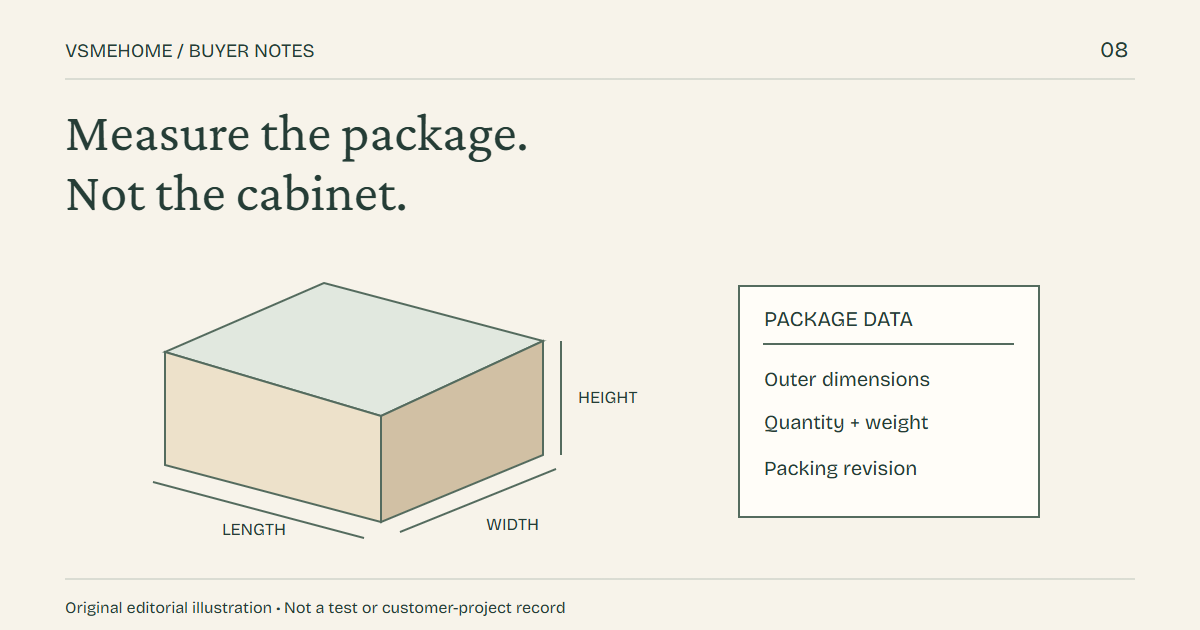
When considering overseas factory joinery, comparing an FOB factory price directly against an all-inclusive local quote gives an incomplete picture. Check the supplier’s written inclusions: goods, export handling, freight and installation may be quoted in different combinations.
For a realistic comparison, a complete room budget should take into account four primary elements:
Practical Decision Guideline: If custom factory joinery only yields minimal overall savings compared to a locally supplied and installed modular system, consider whether a nearby service contact, the actual returns terms and available installation support make the local option more suitable. Factory-direct joinery becomes more compelling when the complete offer provides useful wall-to-wall storage and coordinated rooms within your budget. Compare the specified materials, installation and service with actual local proposals.
Below is a comparative look at several Chinese whole-house joinery manufacturers and brands, highlighting their primary business models, project focuses, and key details for private residential buyers to confirm. (Note: As the publisher of this guide, Moyisi/VSME is included alongside other market peers.)
| Manufacturer / Brand | Core Product Scope | Supply Model & Buyer Focus | What to Confirm Before Ordering |
|---|---|---|---|
|
Adam Cabinet (Foshan) |
Kitchen cabinets, bathroom vanities, closets, mudroom and home office built-ins (adamcabinet.com). | Focuses on flat-packed, numbered cabinet kits designed for overseas installation, offering dedicated country programs including an Australian DDP delivery option (Adam Australia Program) and home office built-in layouts (Adam Home Office). | Clarify delivery logistics (such as tailgate delivery vs. curbside drop-off), crate unloading responsibilities, and confirm you have an installer experienced with flat-pack joinery kits. |
|
Huamantang International Home (HMT) (Foshan) |
Integrated door-wall-cabinet systems, custom wardrobes, tatami multi-functional platform beds, and full-wall TV joinery (hmthome.com). | Presents practical resources on multi-functional rooms and integrated tatami bedroom systems (HMT Tatami Guide). Primarily structured around OEM/ODM production, domestic dealer networks, and project trade purchasers. | Verify whether they accept single-family residential orders directly, any minimum order thresholds that apply, and confirm the specific packaging and after-sales terms for international shipping. |
|
OPPEIN Home Group (National / Publicly Listed) |
Whole-home cabinetry, modular/RTA kitchens, wardrobes, and interior door systems (oppeinhome.com). | A publicly listed home furnishing group whose official site presents international apartment and other residential project portfolios. | Confirm whether your enquiry will be routed through a domestic franchise showroom network or managed via their export project team, as service procedures and project handling differ. |
|
Moyisi / VSME (Publisher Profile) |
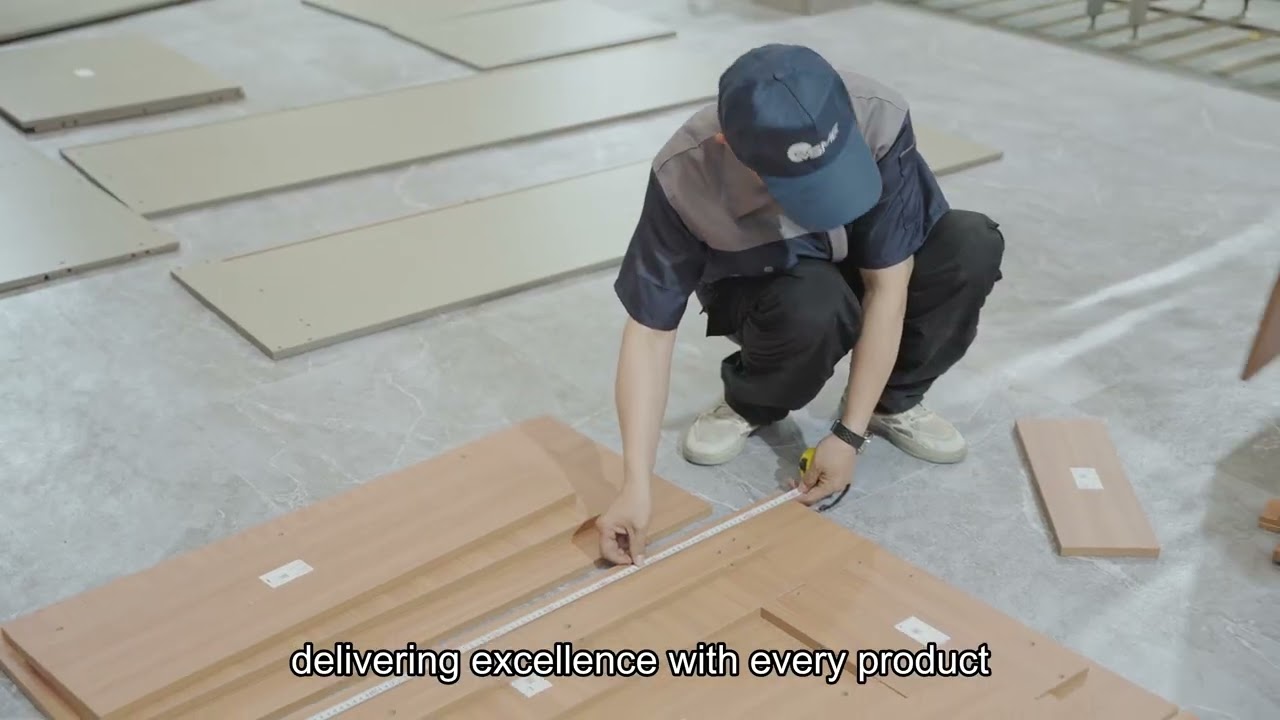
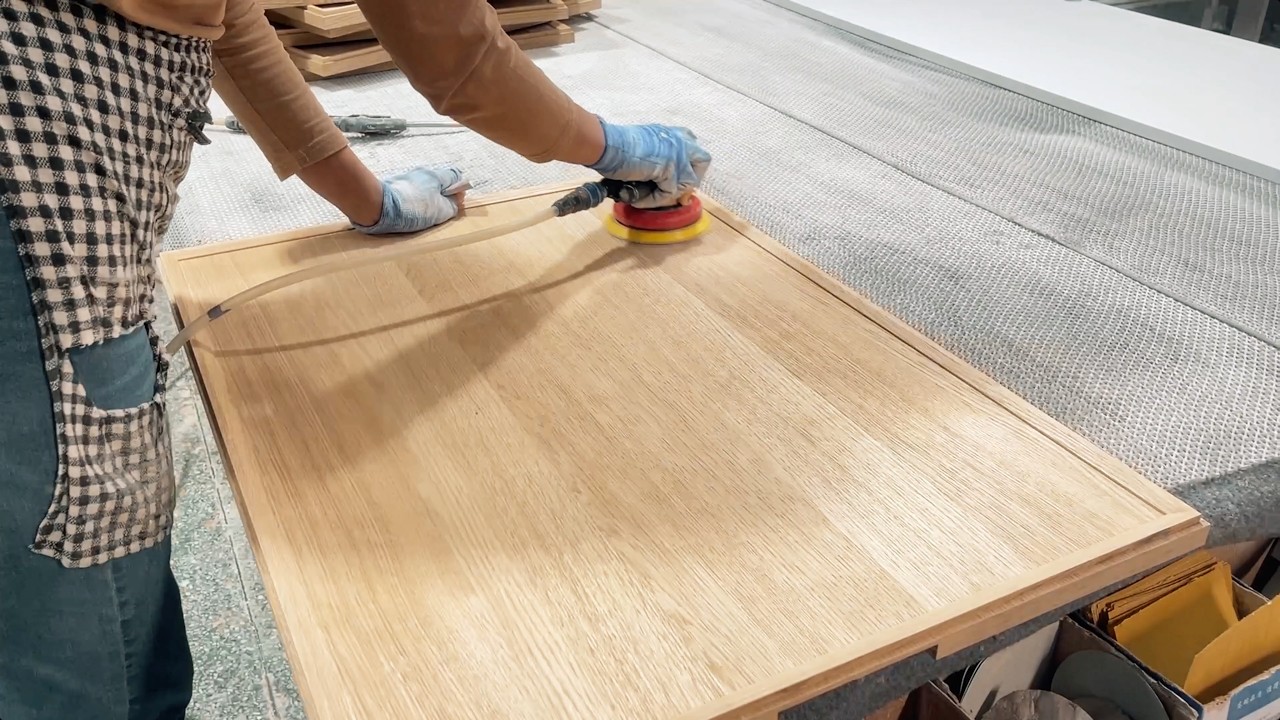
Fitted kitchen cabinetry, walk-in closets, bathroom vanities, interior doors, wall panel systems, and consolidated loose furniture (moyisihome.com | vsmehome.com). | A direct Foshan manufacturer structured to handle single-home residential orders alongside trade projects. Maintains an accessible baseline minimum order value of USD $5,000 FOB (Moyisi Scope Map). We produce core joinery on our own panel lines and coordinate complementary loose dining and living pieces into a single container shipment. Production takes about 45–55 days after payments reach 50% of the order value. | Ensure accurate site dimensions and appliance cut-out details are locked in before production begins. On-site installation is quoted separately if overseas assembly assistance is requested. |
Whether you choose local modular systems, factory joinery, or a combination of both, following a structured planning sequence helps ensure the end result meets your family’s expectations:
Furnishing a 160 m² family home does not require an all-or-nothing choice between basic flat-pack units and a completely custom overseas container. For many households, a balanced strategy works best: using straightforward local modular units where room layouts are standard and time is tight, while utilizing direct custom manufacturing when you want tailored floor-to-ceiling storage, coordinated finishes across adjoining living spaces, or integrated platform solutions that make the most of limited floor area.
By evaluating your spaces room by room, prioritizing long-term adaptability for your children, and verifying the exact scope of service each supplier provides, you can create a practical, comfortable family home that functions smoothly for years to come.
Check the minimum order · Meet Moyisi / VSME and check ordering facts. For product options, explore our kitchen cabinets or share your project with our team.
Related guide: If you are furnishing several rooms, see how a whole-house cabinetry order works.