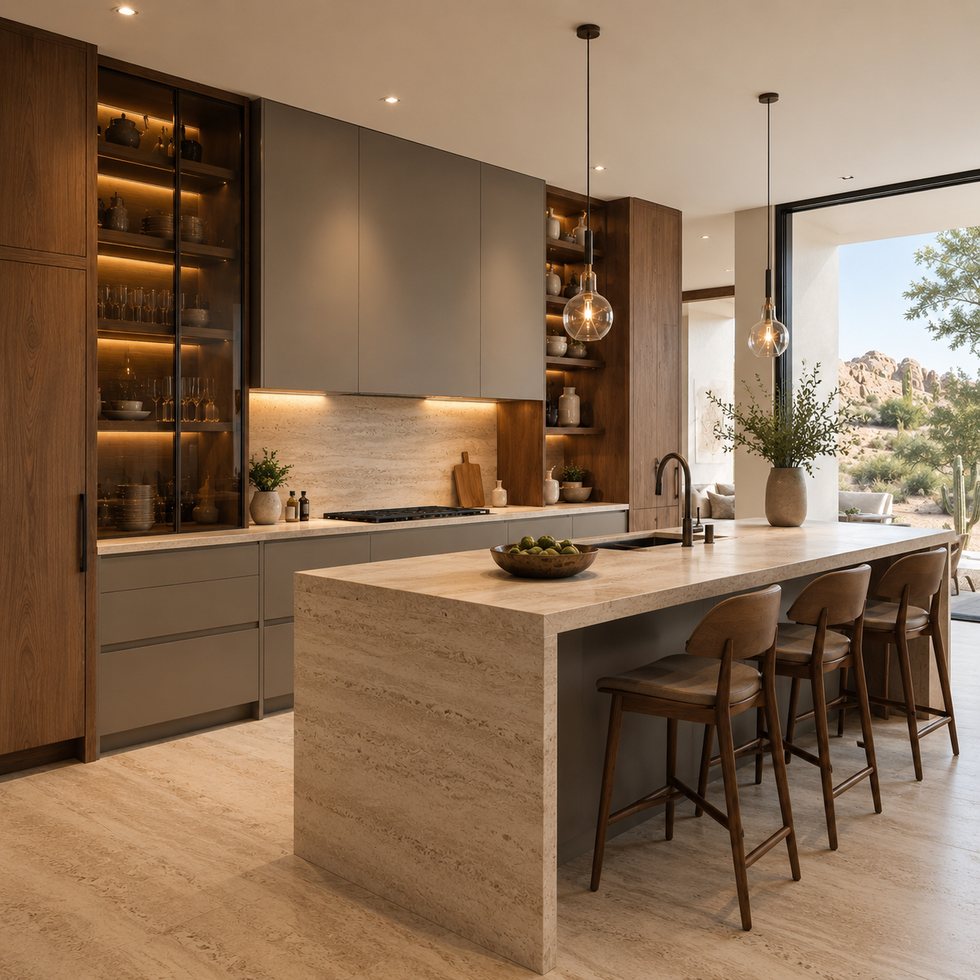
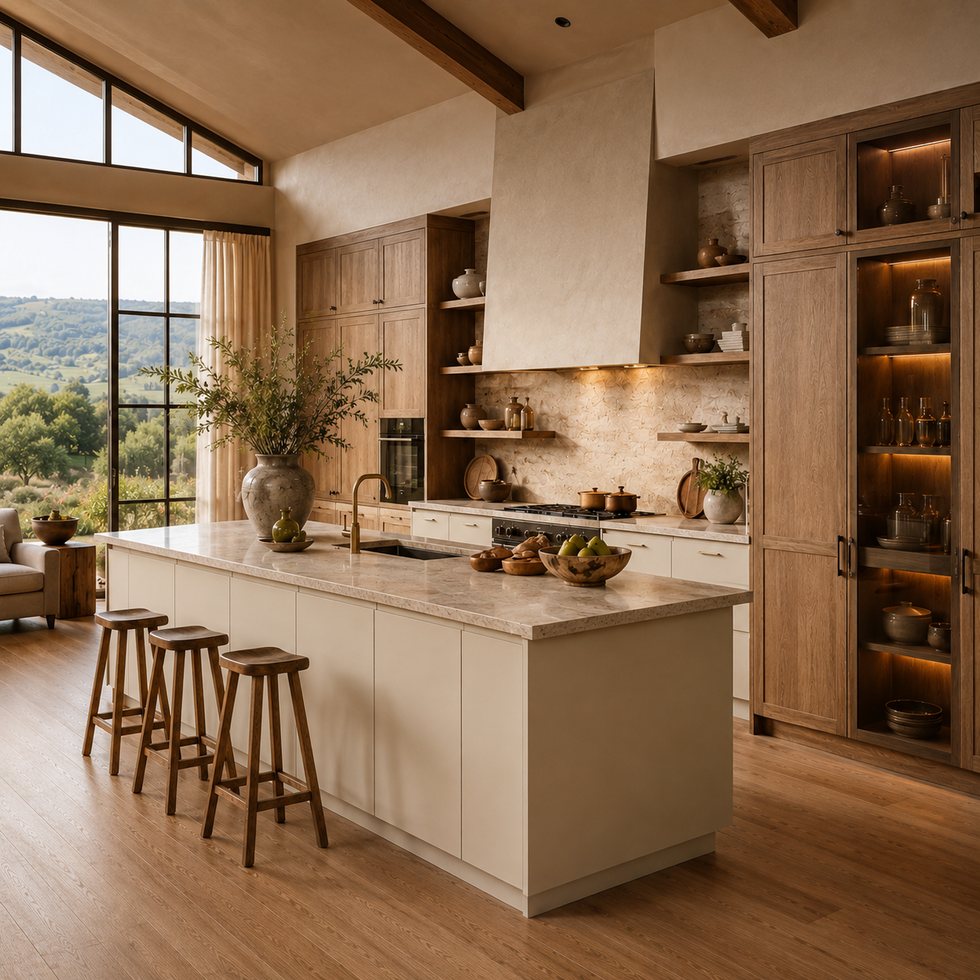
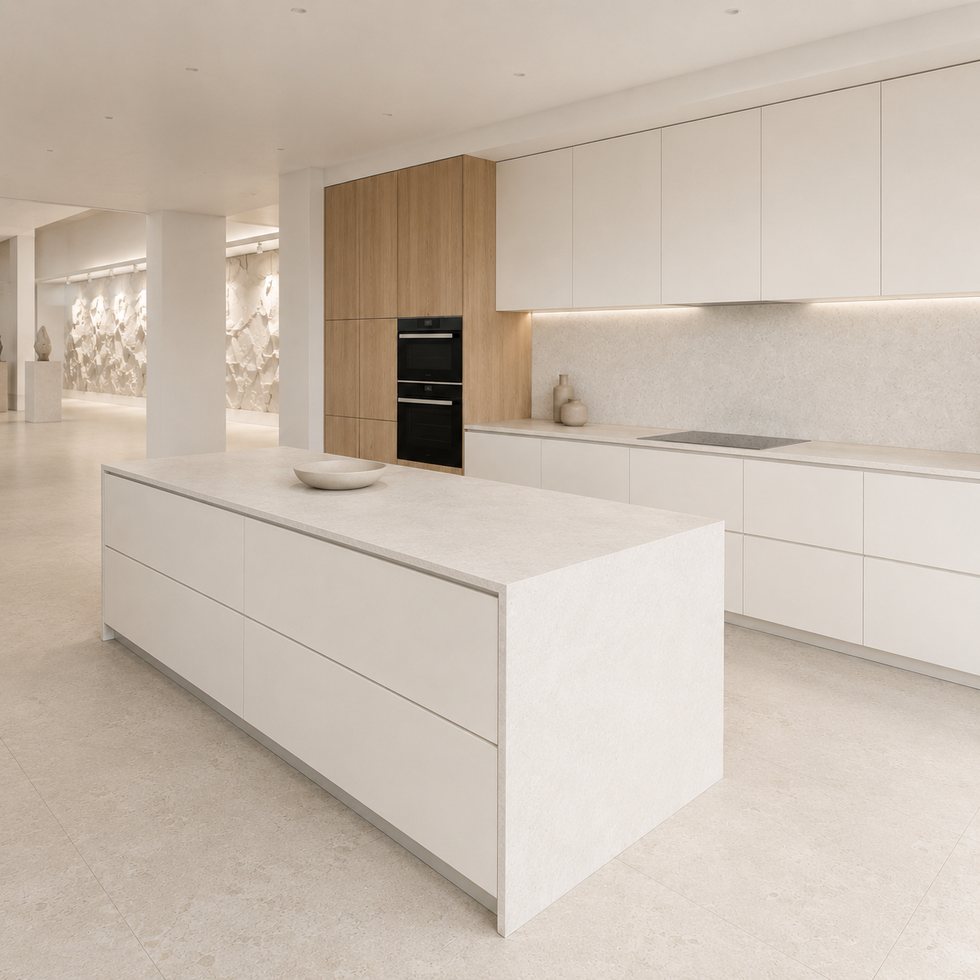
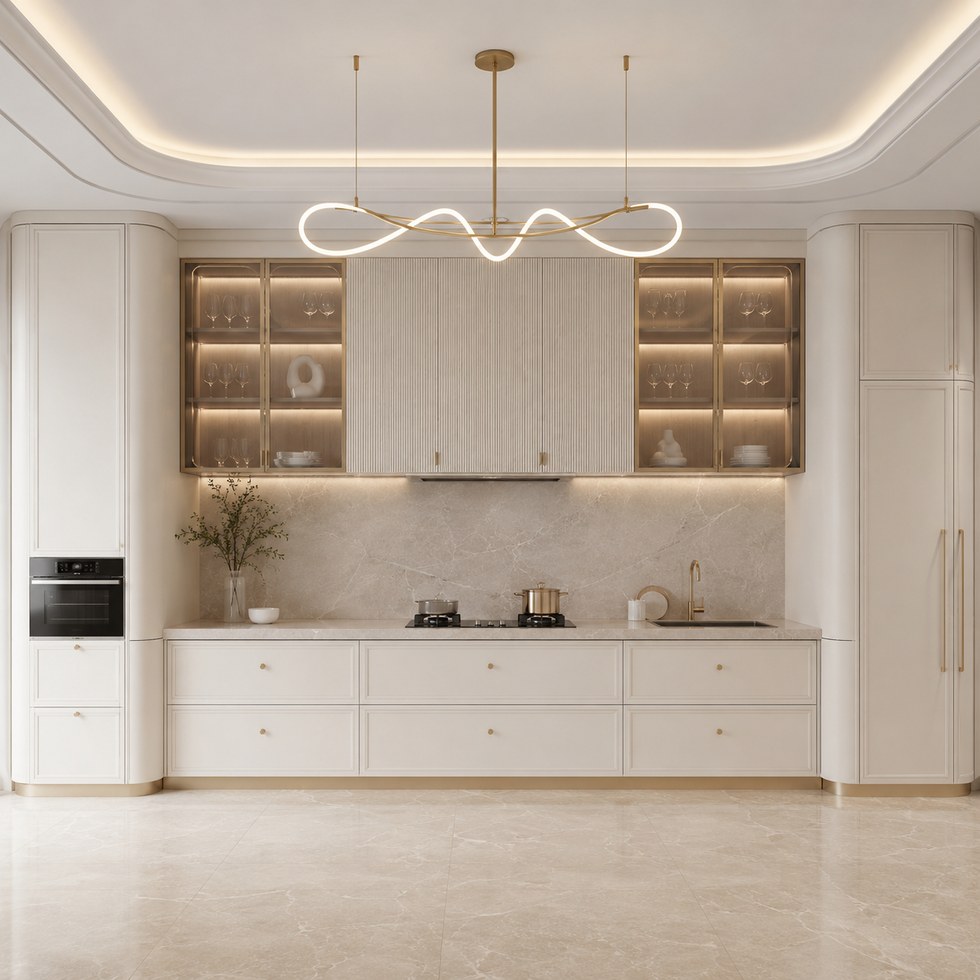
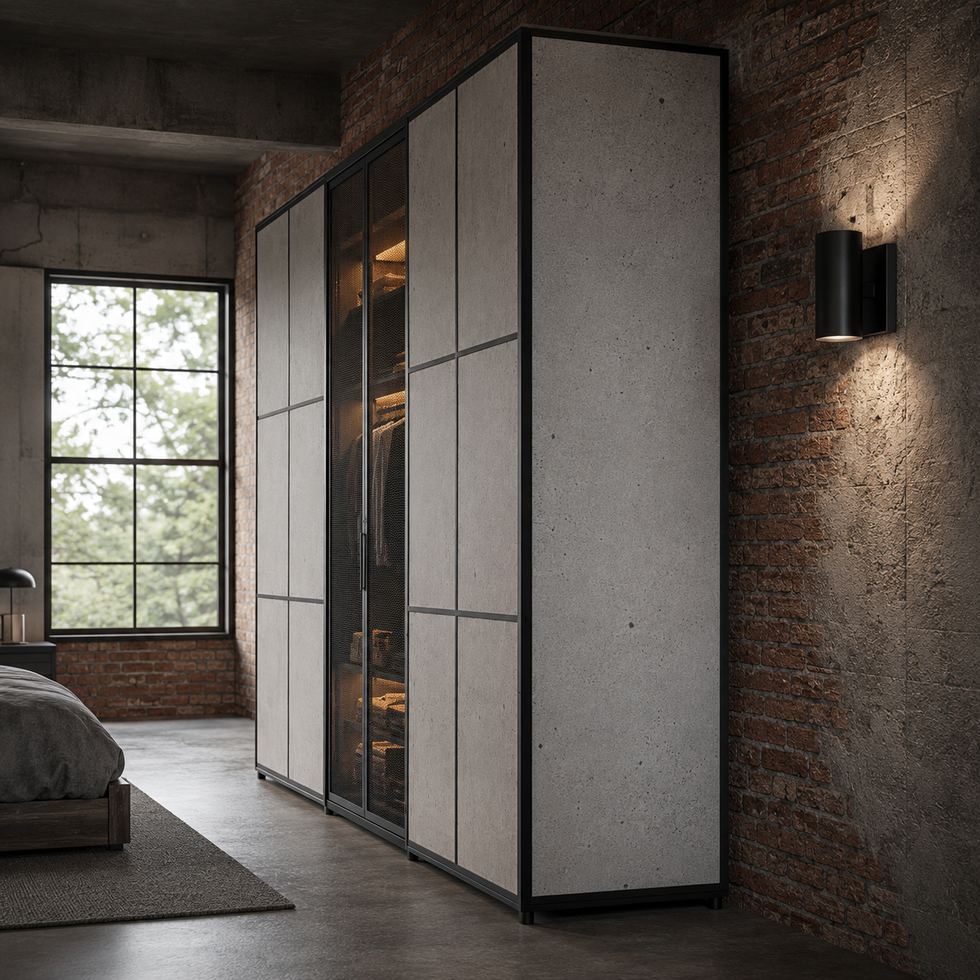
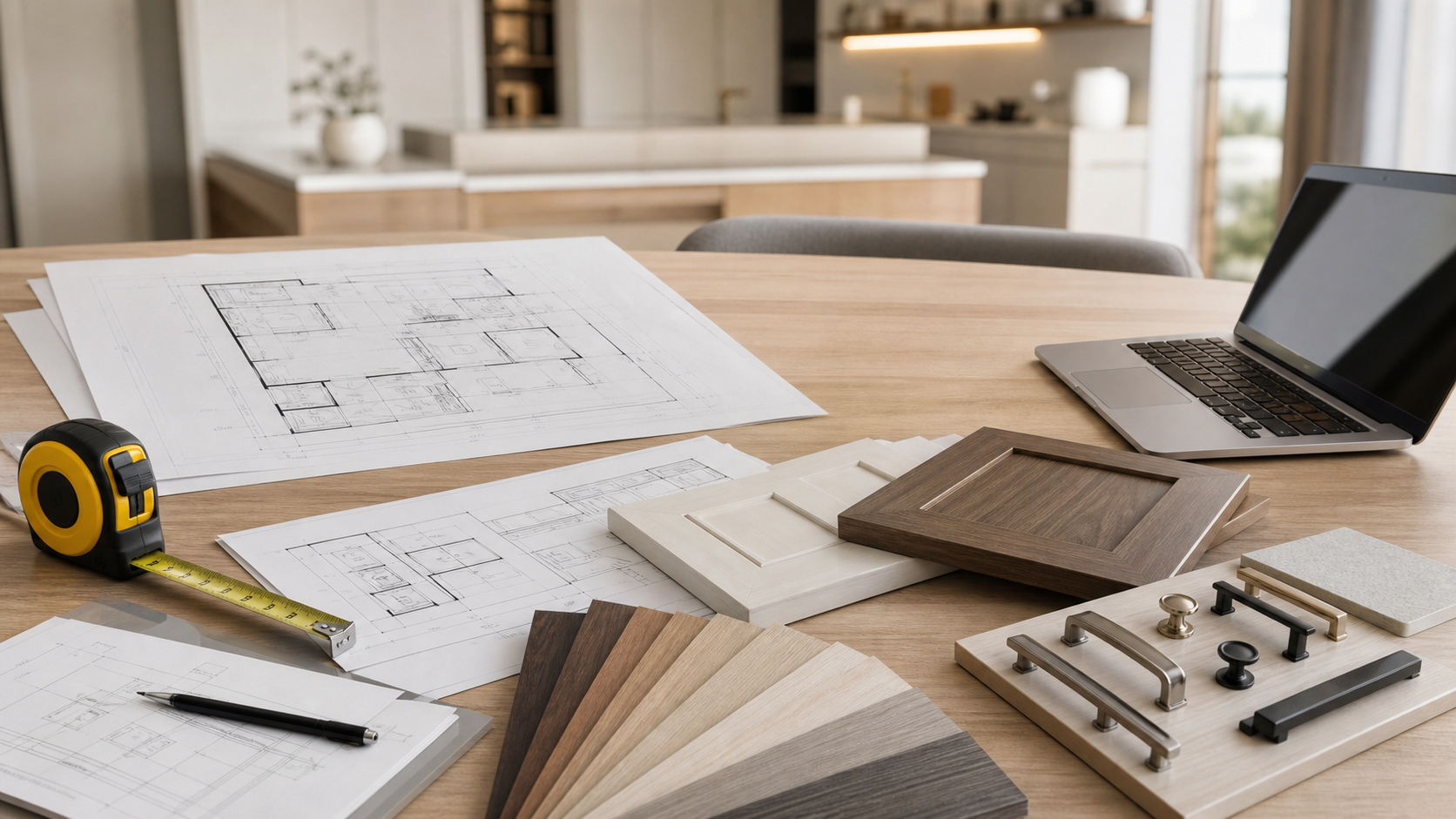
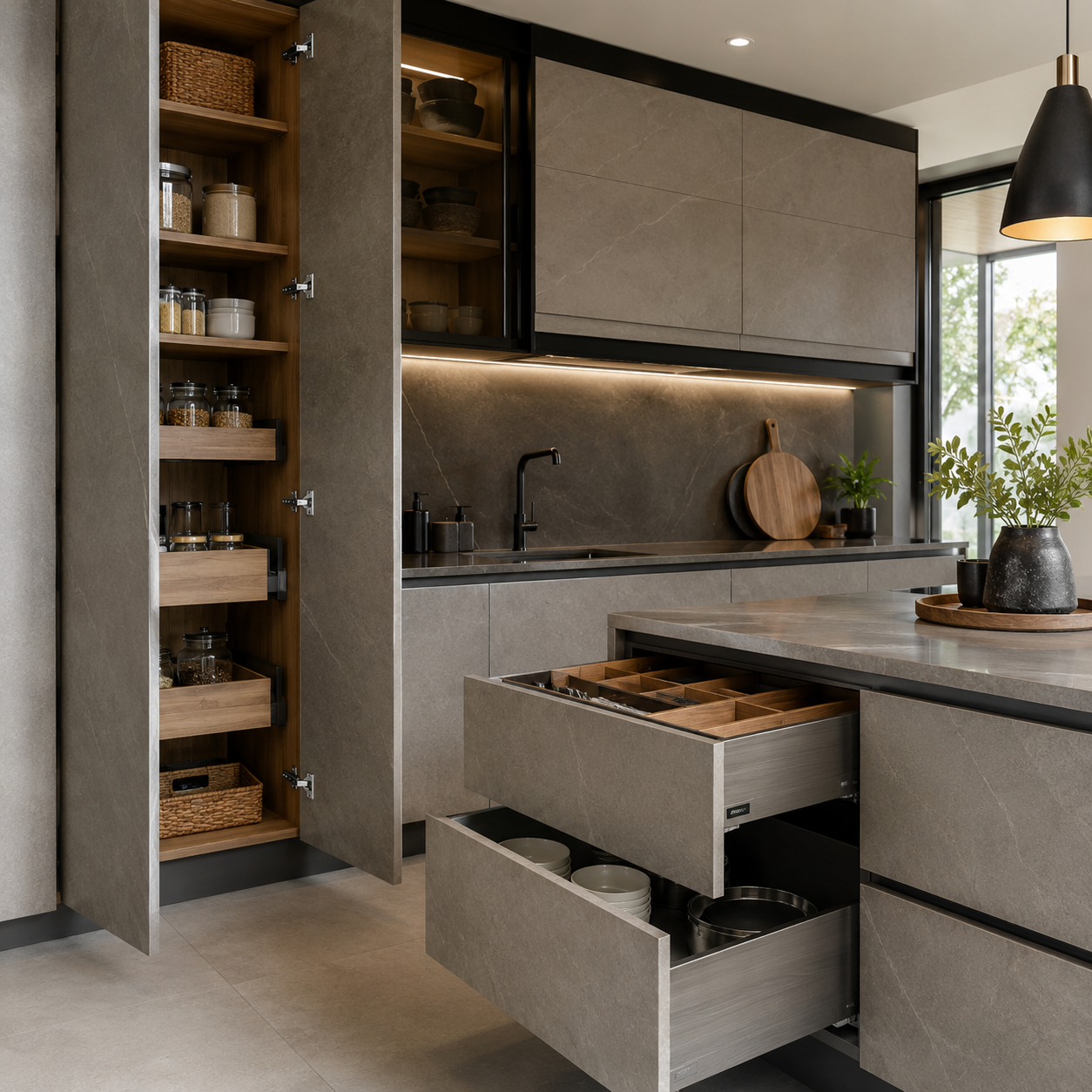
Kitchen renovations in 2026 are becoming less about surface updates alone and more about how well the room works every day. According to the 2026 U.S. Houzz Kitchen Trends Study, many homeowners are still changing kitchen style, but functional problems, built-in storage and pantry planning are now major parts of the renovation conversation.
The study is based on 1,780 U.S. homeowners on Houzz who had recently completed, were working on or were planning kitchen renovation projects. Its findings offer a useful snapshot of how homeowners are thinking about layout, storage, style and budget in current kitchen projects.
Functionality Is Moving Closer to Style as a Renovation Trigger
One of the strongest signals in the study is that homeowners are not renovating only for a fresher look. Houzz reports that 38% of renovating homeowners pointed to deterioration or dysfunction, up 3 percentage points from the previous year. That figure is now close to the 41% who said they were dissatisfied with the old kitchen style.
Other renovation triggers were more stable. The share citing available funds remained at 33%, and the share focused on resale value stayed at 25%. Personalizing a recently purchased home became less common, dropping to 24%, which Houzz says is 4 percentage points lower than the prior year.
Read together, the data suggests that the 2026 kitchen conversation is not simply about changing colors or cabinet doors. A kitchen that no longer works well is becoming almost as important as a kitchen that no longer looks current.
Style Changes Are Still Common, but Slightly Lower
Houzz found that 78% of renovating homeowners changing their kitchens are updating the style, down 3 percentage points year over year. Transitional remains the leading style among those making a change, with 25% choosing it.
Traditional and modern kitchens follow at 12% and 11%, while contemporary is close behind at 10%. Midcentury remains a smaller choice in the study, selected by 6% of style-changing respondents.
This mix shows why kitchen design in 2026 is not moving in one single direction. Transitional, traditional, modern and contemporary all remain visible. The more useful reading is that homeowners are balancing familiarity, cleaner lines and practical updates rather than chasing one extreme style.
Budgets Depend Heavily on Scope and Kitchen Size
The Houzz study also shows a wide gap between major and minor kitchen remodels. Median spending for major kitchen remodels is reported at $55,000, while minor remodels have a median of $20,000.
Kitchen size changes the numbers again. Larger kitchens undergoing major remodels show a median of $75,000, compared with $46,000 for smaller kitchens. The point is not that every project should use these U.S. figures as a budget target. The point is that scope and size materially change the investment level.
For cabinet design, this helps explain why the same style direction can lead to very different project costs. A simple refresh, a full layout change, built-in storage, appliances, lighting and custom pantry elements should not be treated as the same type of project.
Pantry Cabinets Lead Built-In Kitchen Features
Built-in features are a major part of the 2026 kitchen picture. Houzz reports that 76% of renovating homeowners add built-in features during their kitchen projects. Pantry cabinets are the leading feature at 47%.
Beverage stations rank second at 24%. Built-in seating and wine refrigerators are each selected by 17% of respondents, followed by walk-in pantries at 16% and breakfast bars at 14%. Smaller but still meaningful categories include baking stations at 9% and butler's pantries or prep kitchens at 7%.
The ranking is useful because it shows how storage and function are becoming visible design decisions. Pantry cabinets are not just background storage; they are now one of the most common built-in elements in the renovated kitchen.
Butler's Pantries Focus on Storage and Prep
Among homeowners adding or upgrading butler's pantries, Houzz reports that 67% include storage for small appliances. Prep counters appear in 61%, while enclosed cabinetry is included in 59%.
Open shelving is also common, appearing in 52% of these spaces. Appliances frequently planned into the butler's pantry include microwaves and refrigerators at 29% each, coffee machines at 28% and toasters at 25%.
This part of the study gives a clear picture of what the butler's pantry is becoming: not only a decorative passage or display zone, but a working storage and preparation area that keeps small appliances close while helping the main kitchen stay visually controlled.
What These Findings Mean for Cabinet Planning
For cabinet designers, project buyers and custom cabinetry suppliers, the Houzz study points to a practical theme: the 2026 kitchen is being judged by how it works as much as by how it looks. Style still matters, but storage, built-in functions and appliance organization are becoming central parts of the design brief.
Pantry cabinets, beverage zones, wine storage, small-appliance storage and butler's pantry cabinetry all require early space planning. They affect cabinet height, depth, opening method, internal accessories, lighting, electrical coordination and installation detail.
For cabinet planning, the practical takeaway is simple: style direction should be discussed together with the functions the kitchen must support. A clearer brief includes storage zones, built-in features, appliance locations, pantry needs and the way the kitchen is used every day.
We use cookies to offer you a better browsing experience, analyze site traffic and personalize content. By using this site, you agree to our use of cookies.Privacy Policy