Designing Your Kitchen: How to Balance Style, Storage, and Budget
Stepping into custom cabinetry can sometimes feel overwhelming with choices. To help you make confident decisions, here is how we walk you through the essential elements of your new kitchen.
1. Smart Layouts & Everyday Ergonomics
A great kitchen feels natural from day one. You should never have to take five extra steps to grab the salt or struggle to reach an awkward corner.
-
The Work Triangle & Zones: We align the sink, cooktop, and refrigerator around clear preparation zones, leaving uninterrupted prep counters where you need them most.
-
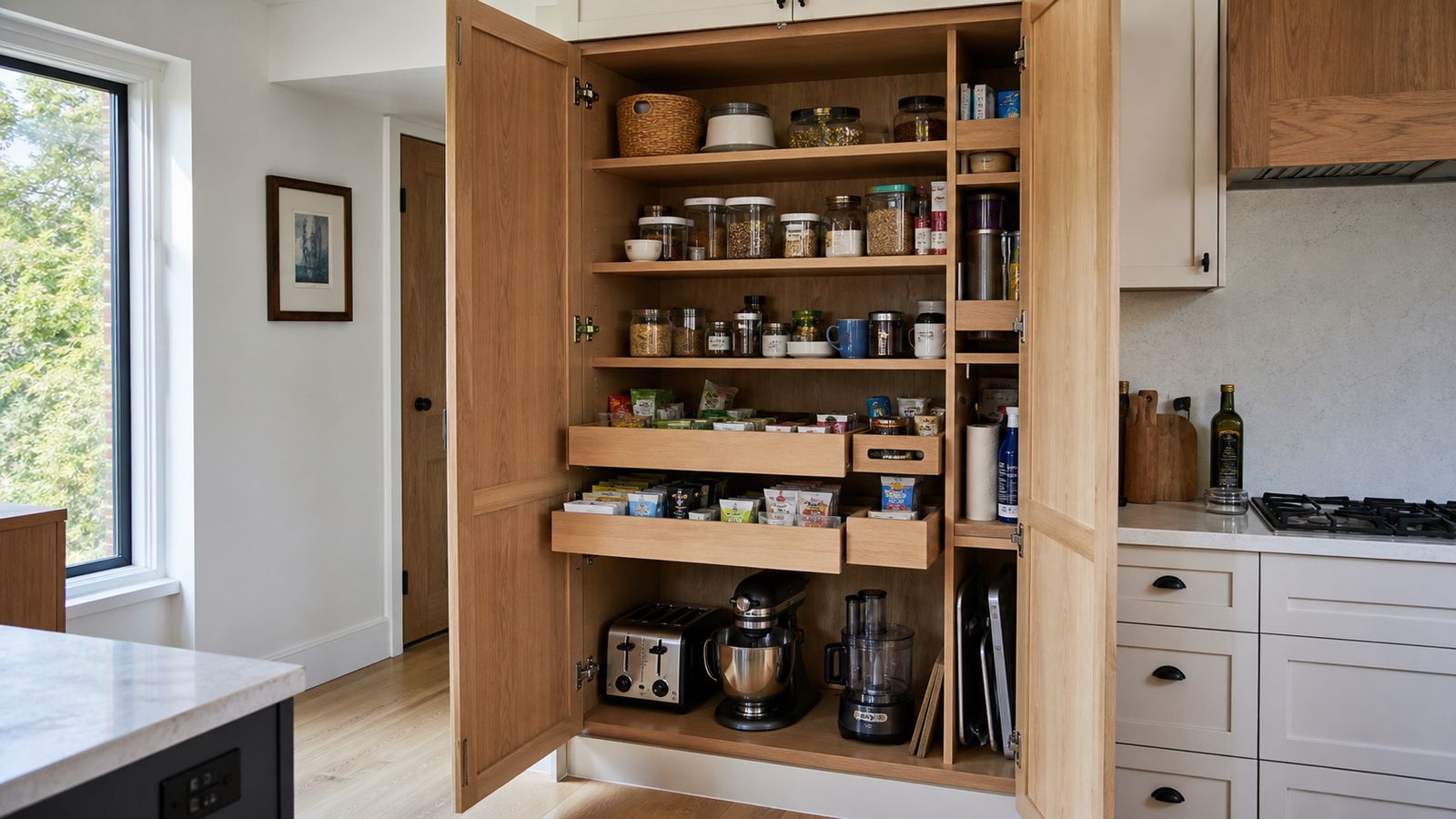
Drawers Over Base Doors: Deep, soft-close drawers make pots, pans, and dry goods immediately visible and accessible without kneeling down to search the back of dark shelves.
-
Making Corners Work: Awkward L-shaped returns transform into high-capacity storage using smooth carousel pull-outs or integrated swing trays.
-
Seamless Appliance Fit: We coordinate directly with your appliance dimension sheets—from integrated dishwashers and flush-mount induction hobs to built-in ovens—checking cabinet alignment and appliance clearances.
2. Door Finishes: Matching Your Aesthetic and Routine
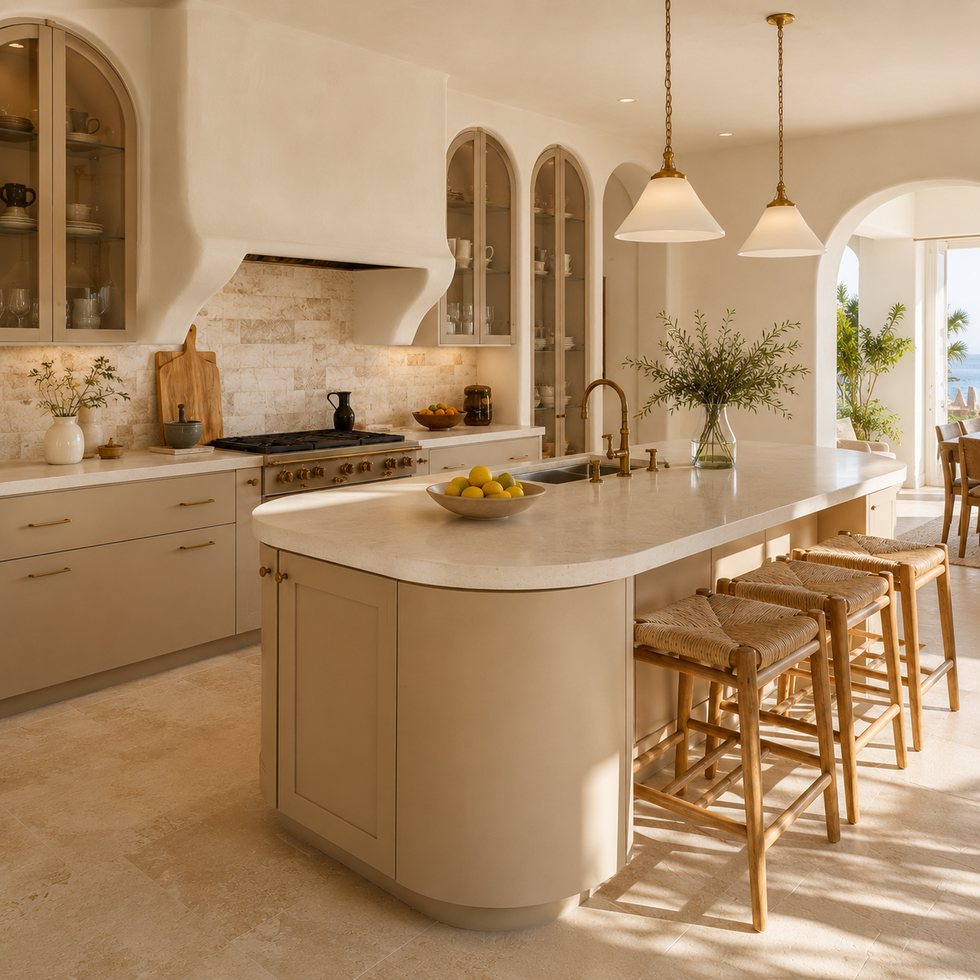
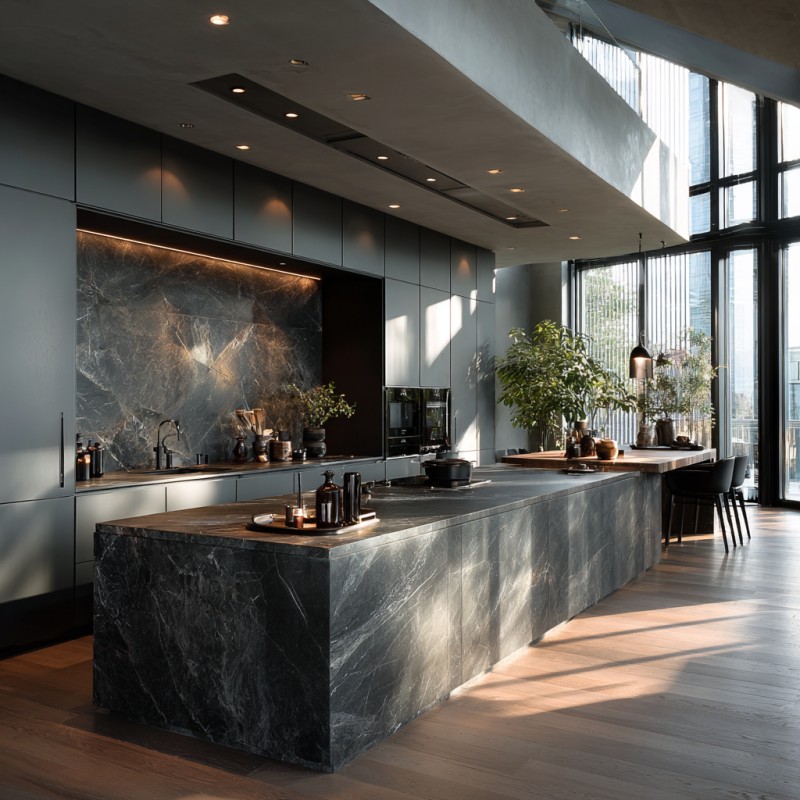
Your cabinet fronts set the architectural mood of your entire living space while enduring daily grease, heat, and fingerprints. We offer curated surface options to match how you live:
-
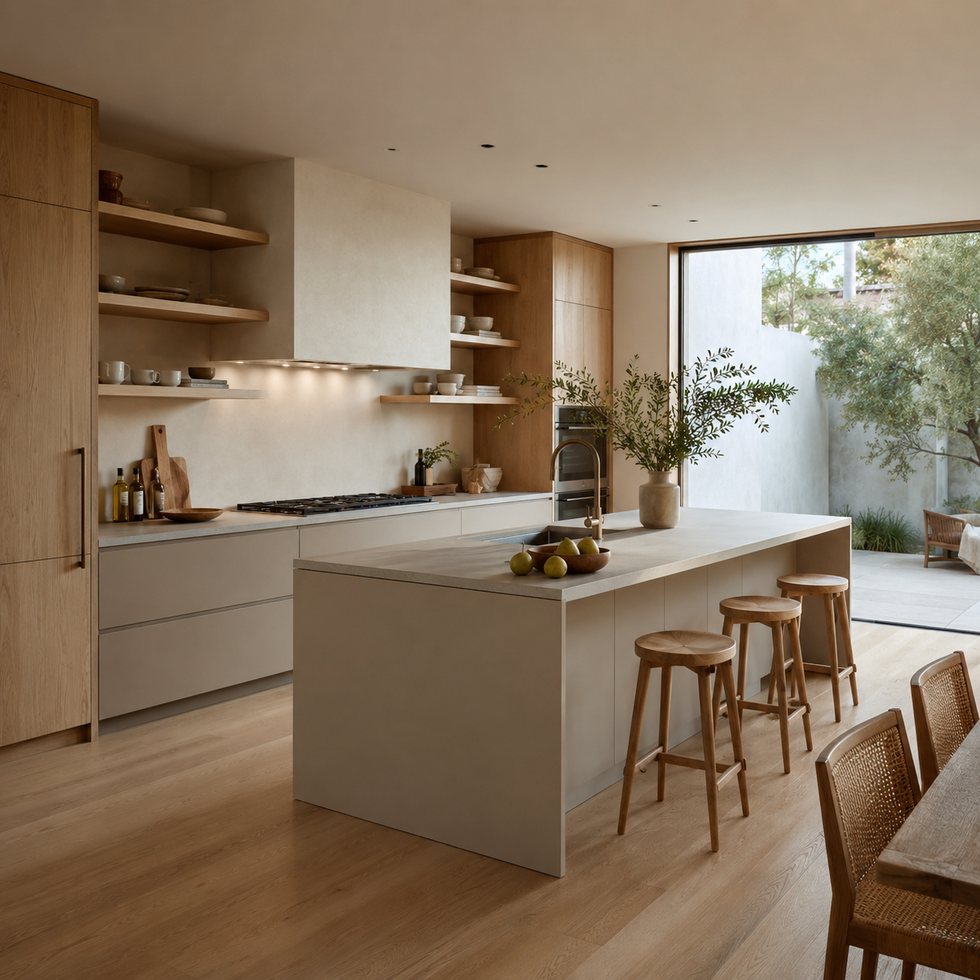
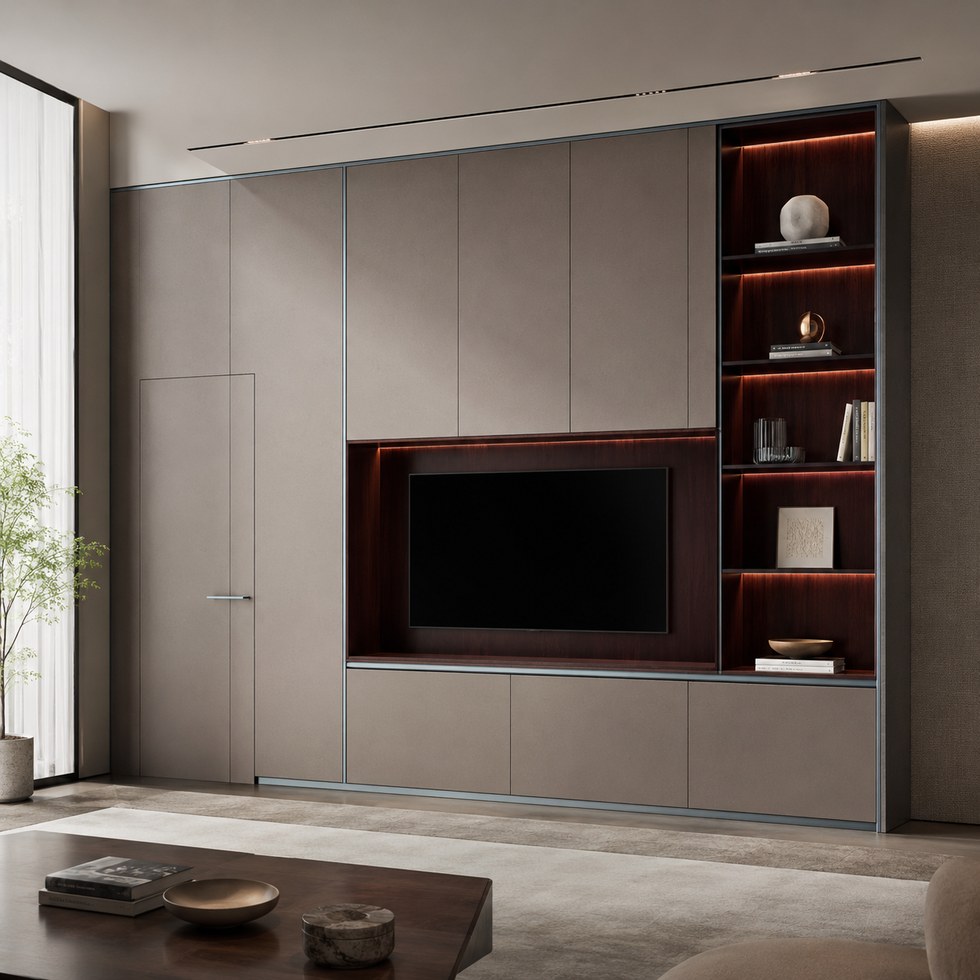
Matte PET & Lacquer: Smooth surfaces in a choice of colors and finishes. Ideal for modern minimalists who love clean lines, integrated J-pull handles, or handleless push-to-open profiles.
-
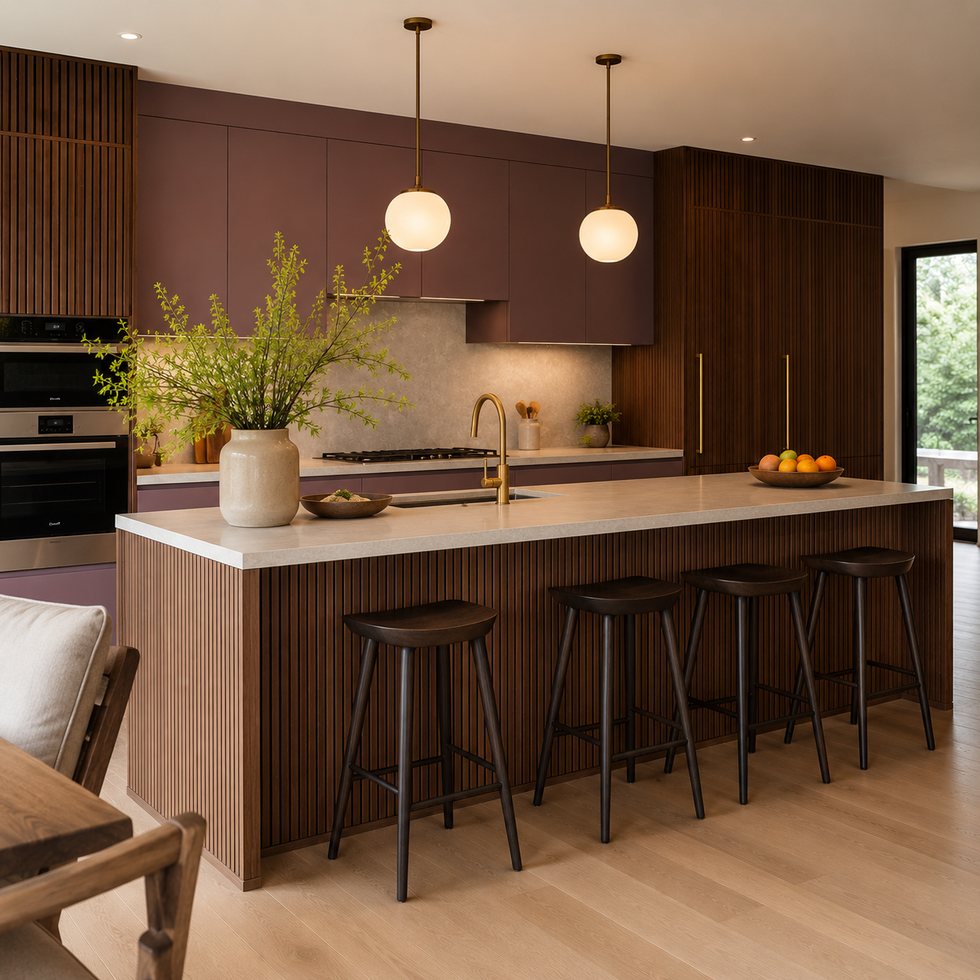
Warm Wood Veneers: Bring natural grain, richness, and organic texture to your island bar or perimeter tall units, creating an inviting transition to living areas.
-
Durable Melamines & Laminates: Highly scratch-resistant, easy to wipe down, and budget-friendly—making them a favorite choice for busy family kitchens and long-term rental properties.
-
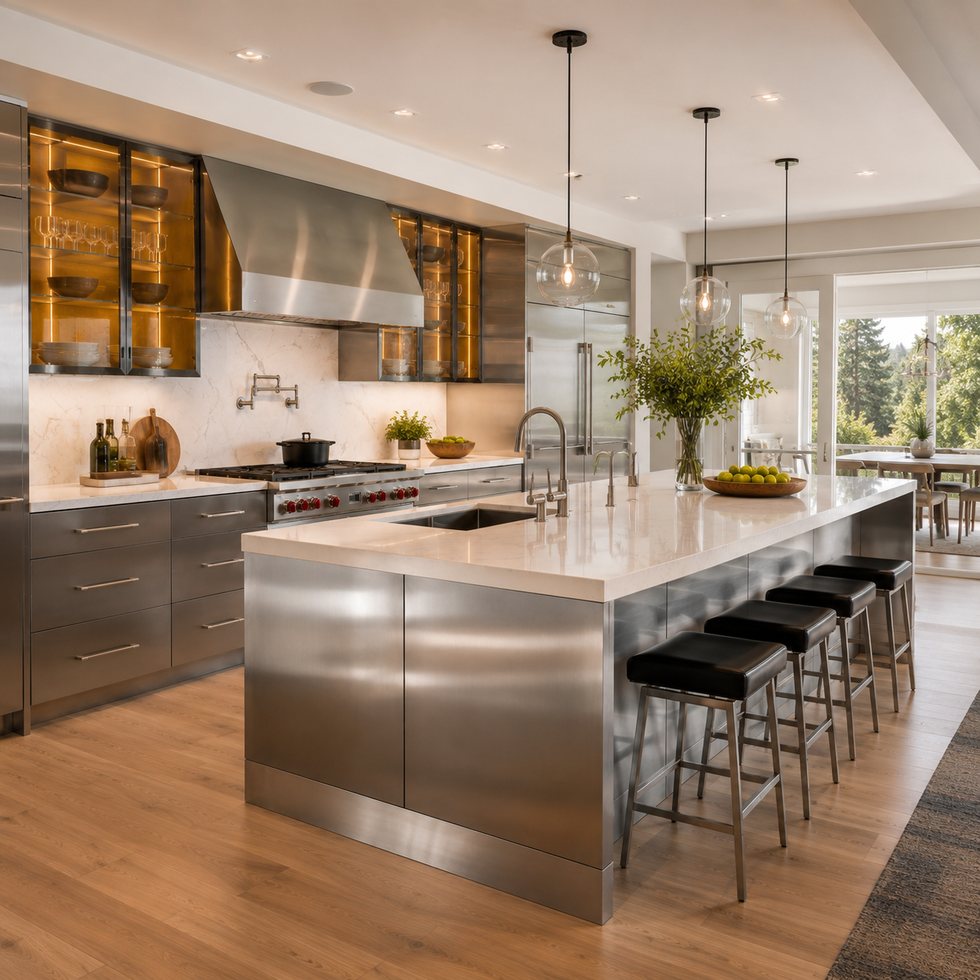
Glass Accents & Fluted Details: Aluminum-framed glass fronts with subtle backlighting elevate display pantries, coffee stations, or wine bars.
3. The Cabinet Box: Built for Moisture and Longevity
What sits behind the door matters just as much as the front. Wet preparation zones and tropical or coastal climates require thoughtful core materials:
-
Moisture-Resilient Carcasses: For sink cabinets and high-humidity areas, we offer multi-layer moisture-resistant plywood as one option for humid areas; plumbing leaks still need prompt attention.
-
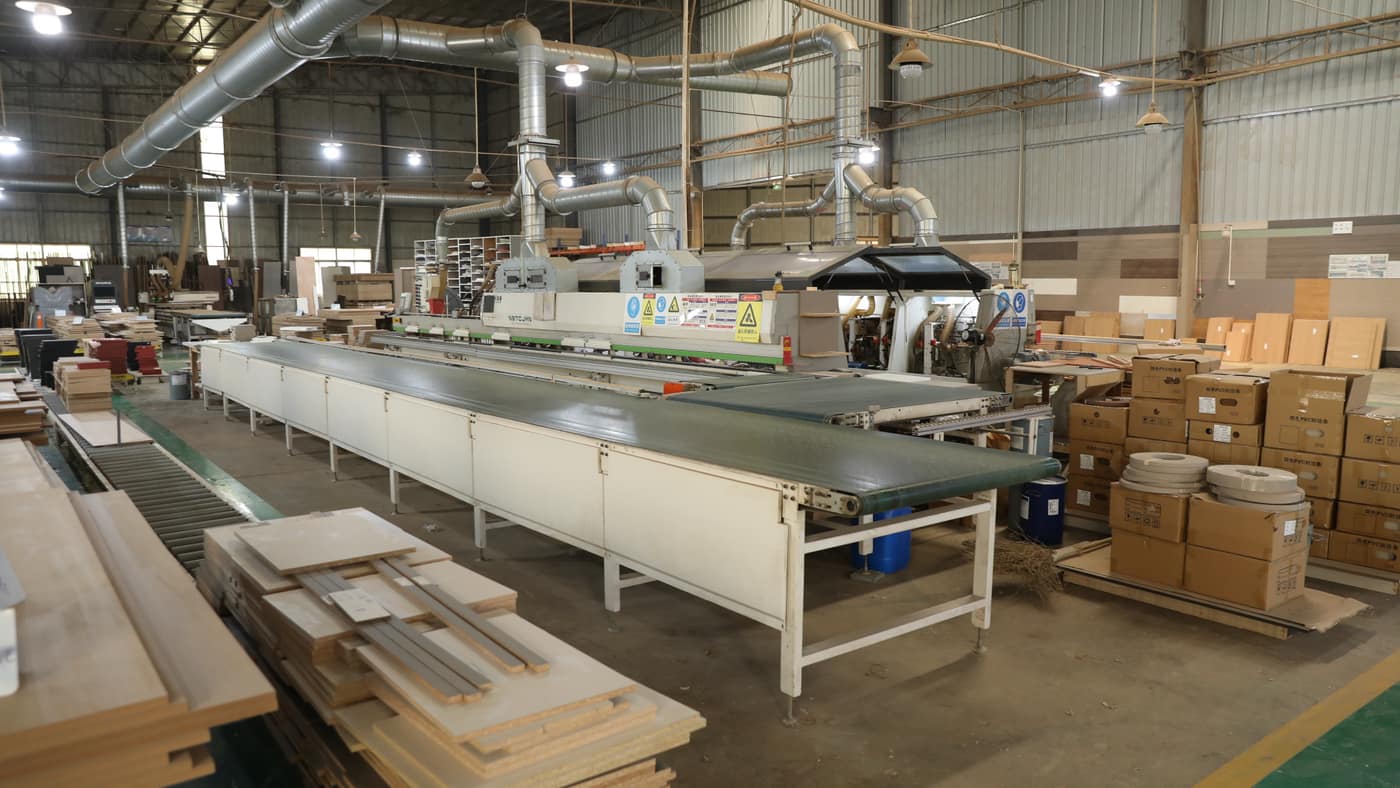
Precision Sealed Edges: Board and edge-band options are considered together, including PUR edge banding where specified, to help protect exposed panel edges.
-
Quality Motion Hardware: Heavy drawers and daily-use doors are paired with internationally trusted soft-close hinges and concealed drawer runners (such as Blum, DTC, and Higold) for whisper-quiet closures year after year.
How to Begin Planning Your Kitchen
Starting is simple: share your floor plan, rough wall measurements, or a simple hand sketch along with a few inspirational photos. If you are comparing layout ideas or want a practical perspective on cabinetry pricing, read our guide on kitchen cabinet costs by specification or explore how to stress-test your kitchen layout before making final decisions.
Before paying a deposit to any overseas cabinet maker, work through our factory verification checklist. If your kitchen is shipping to the United States, the US cabinet import checklist covers documents, packaging and delivery planning.