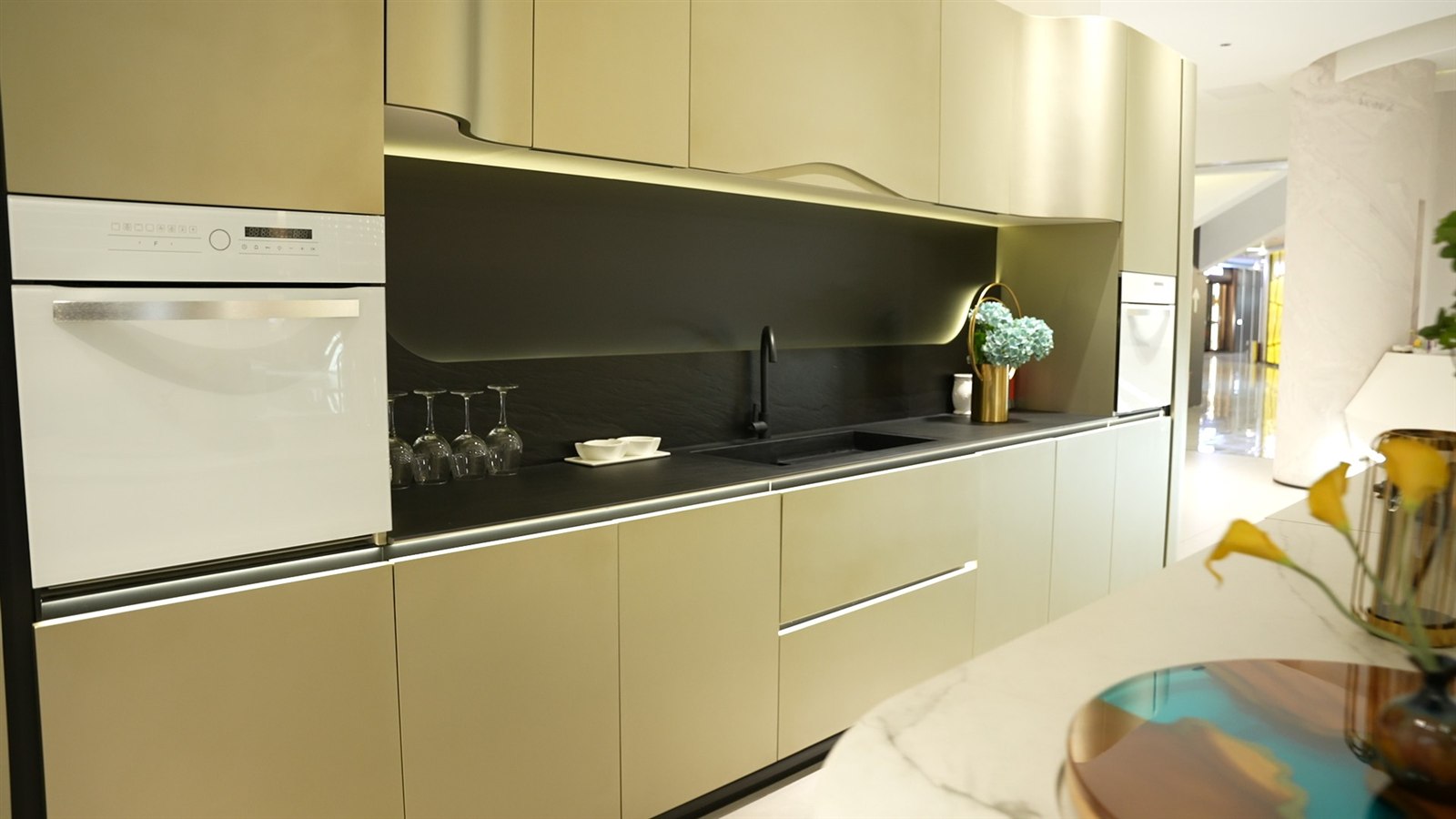
A polished product video and an inspection recording serve different purposes. Short cuts can make a mechanism look attractive while omitting the movement a buyer wants to examine. For a specific inspection question, request a continuous clip that shows the relevant operation in context.
Define the question before filming
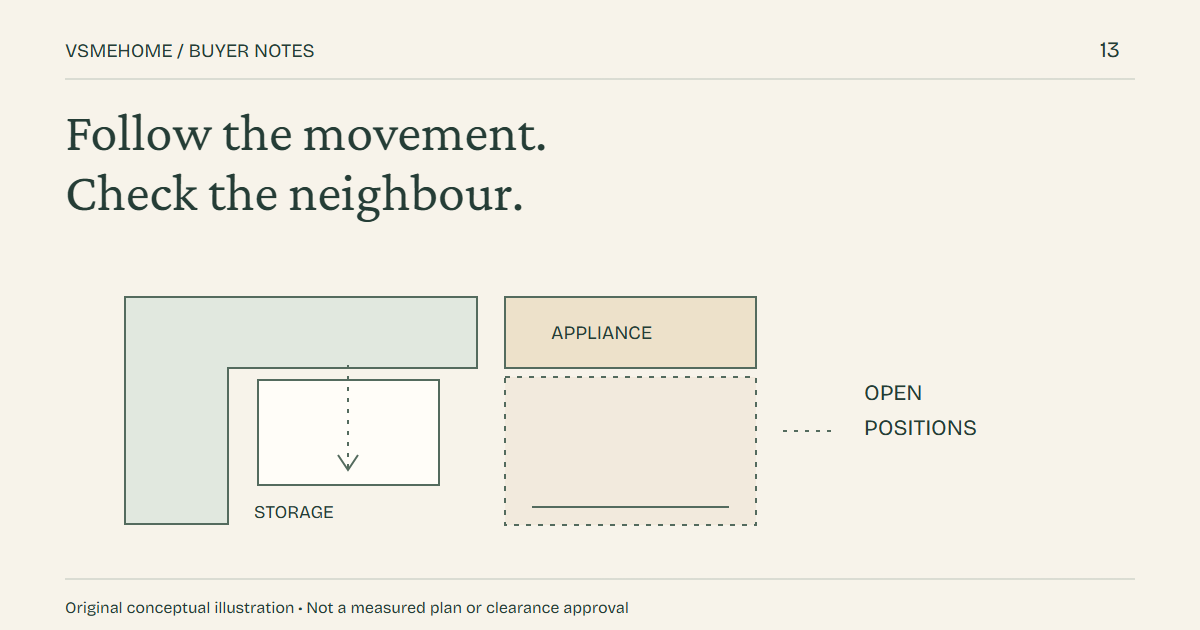
Tell the supplier what the buyer needs to understand: a door's path, a drawer's access or the relationship between a moving fitting and nearby panels. Identify the cabinet and drawing reference. Asking for a useful demonstration is more specific than requesting another general video of the product.
Show the starting and ending positions
The clip should make it clear how the operation begins, reaches its intended position and returns. If a release or adjustment is required, ask for it to be shown or explained. A hidden step can make normal use difficult for a buyer to understand from a remote recording.
Keep the surroundings visible
A close view may help explain a component, but it can conceal clearance conflicts. Include enough of the assembly to show adjacent doors, handles or surfaces that matter to the movement. State when the demonstration arrangement differs from the proposed site layout.
Record the relevant test conditions
If contents or loading matter, identify the agreed conditions rather than inferring them from an empty assembly. Do not treat a short operation clip as evidence of a load rating or lifetime performance. Those questions require appropriate information about the actual offered model and, where relevant, applicable test evidence.
Turn the recording into a decision
Keep the video with the model reference and the inspection question it addresses. Ask for clarification or correction where operation remains unclear. A continuous clip should reduce a particular uncertainty, rather than become a broad promise that every aspect of the cabinet has been proven.
Discuss the project with VSME
For a wardrobe mechanism review, tell VSME which movement or interference you want to check. Request a continuous clip showing the relevant opening and closing sequence with the surrounding cabinet visible.
Related guide: Who we are, our minimum order and lead time: VSME company facts.
We use cookies to offer you a better browsing experience, analyze site traffic and personalize content. By using this site, you agree to our use of cookies. Privacy Policy