When planning to furnish a newly built or renovated home, many overseas private homeowners hesitate at the thought of ordering everything in a single, massive transaction. Committing tens of thousands of dollars all at once across kitchen cabinetry, walk-in wardrobes, bathroom vanities, and loose living room furniture can strain cash flow and introduce design anxiety, especially when site conditions are still shifting.
Naturally, buyers ask: Can I furnish my house in stages from Foshan, China? Which rooms make commercial sense to import first, which items should I keep local, and what happens to the economics when orders are split over time?
An individual private client can purchase directly from Foshan manufacturers or trading providers without ordering multi-container volumes. However, phased procurement introduces operational and cash-flow trade-offs that do not exist in single-drop wholesale transactions. Order thresholds, container consolidation economics, origin storage rules, and repeat freight clearance charges all shape whether splitting purchases over time saves money or adds cost.
This guide breaks down room-by-room purchasing boundaries, contrasts immediate local retail options against direct Chinese manufacturing, calculates how consolidation logistics govern your staged budget, and reviews practical Foshan supplier routes based on published terms.
Keeping a staged interior budget under control starts with recognizing that not every category justifies long-distance sea freight. Fixed administrative charges on customs documentation, handling, and crating penalize low-value, urgent, or bulky standalone items.
| Procurement Phase | Recommended Scope | Why This Location Makes Sense | Key Constraints & Practical Risks |
|---|---|---|---|
|
Stage 1 Priority: Foshan Factory Direct |
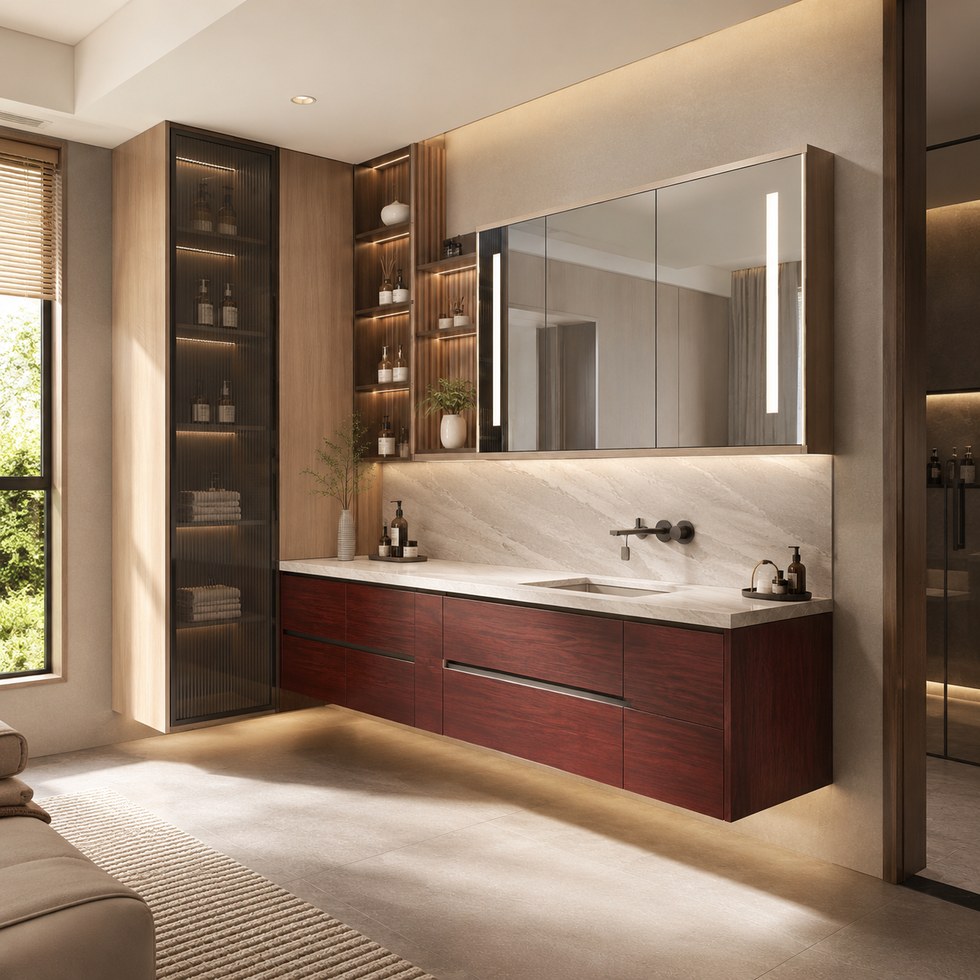
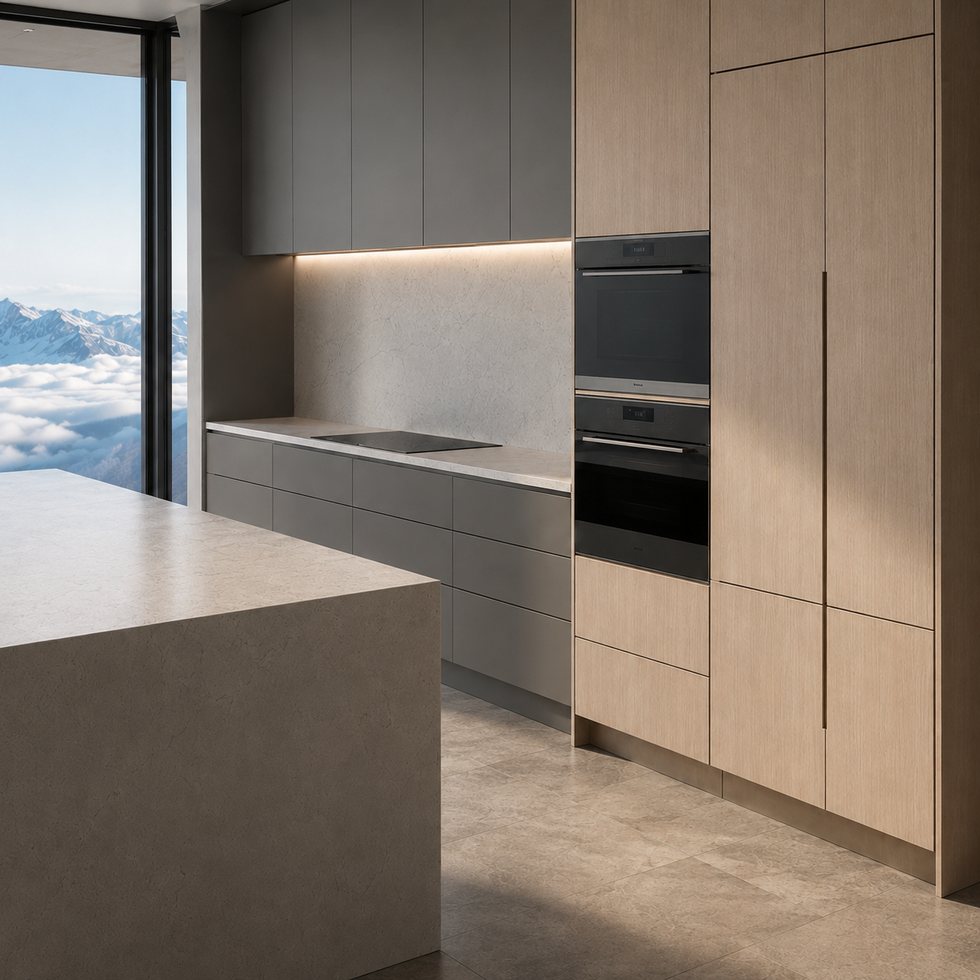
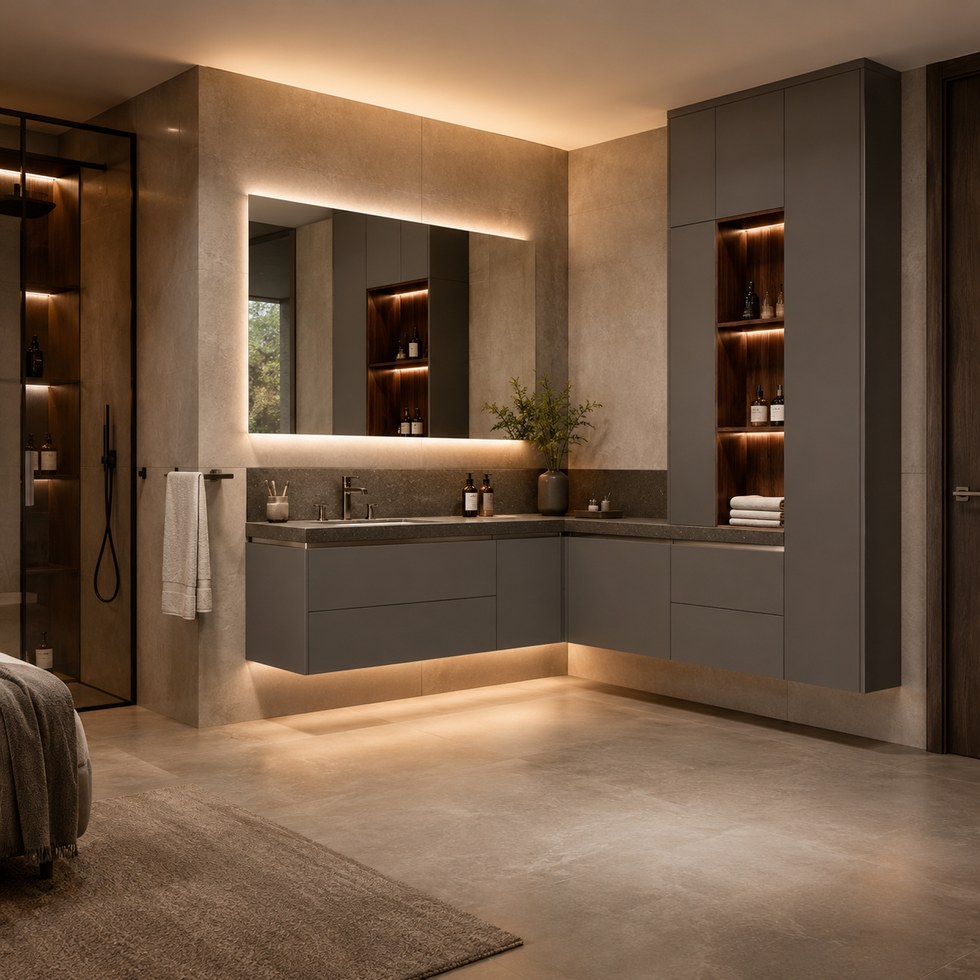
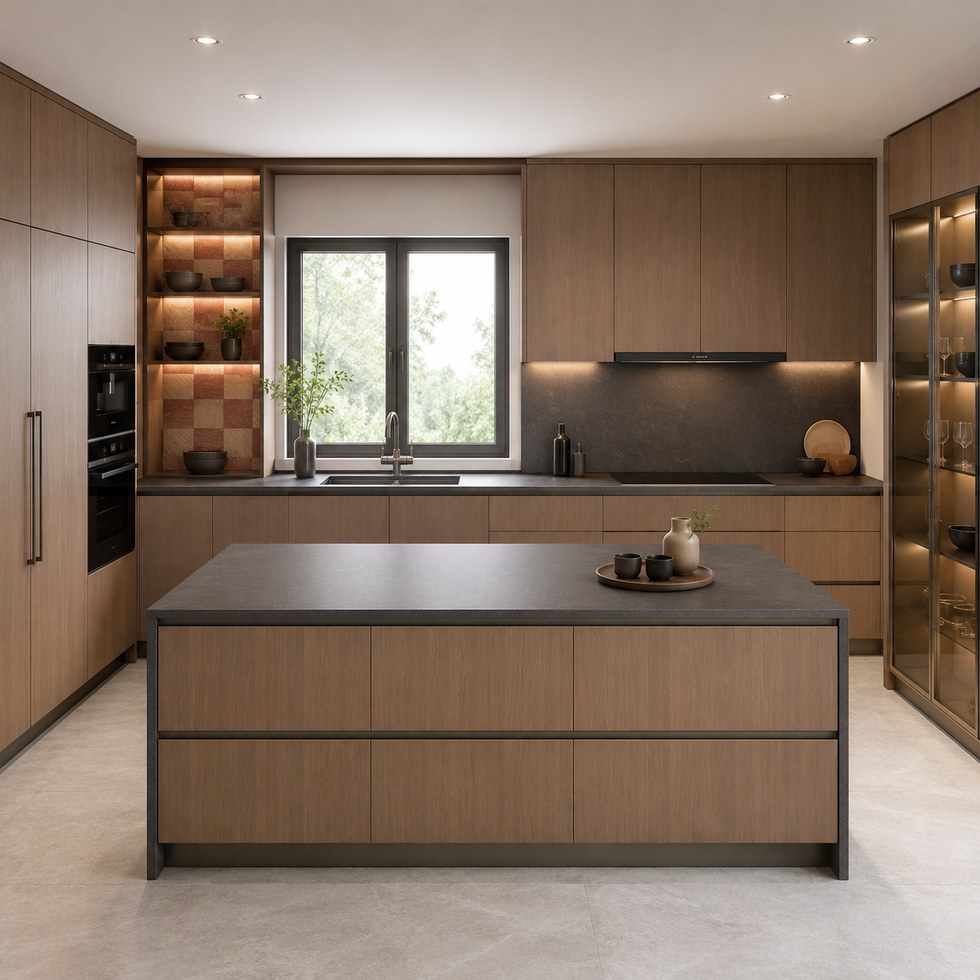
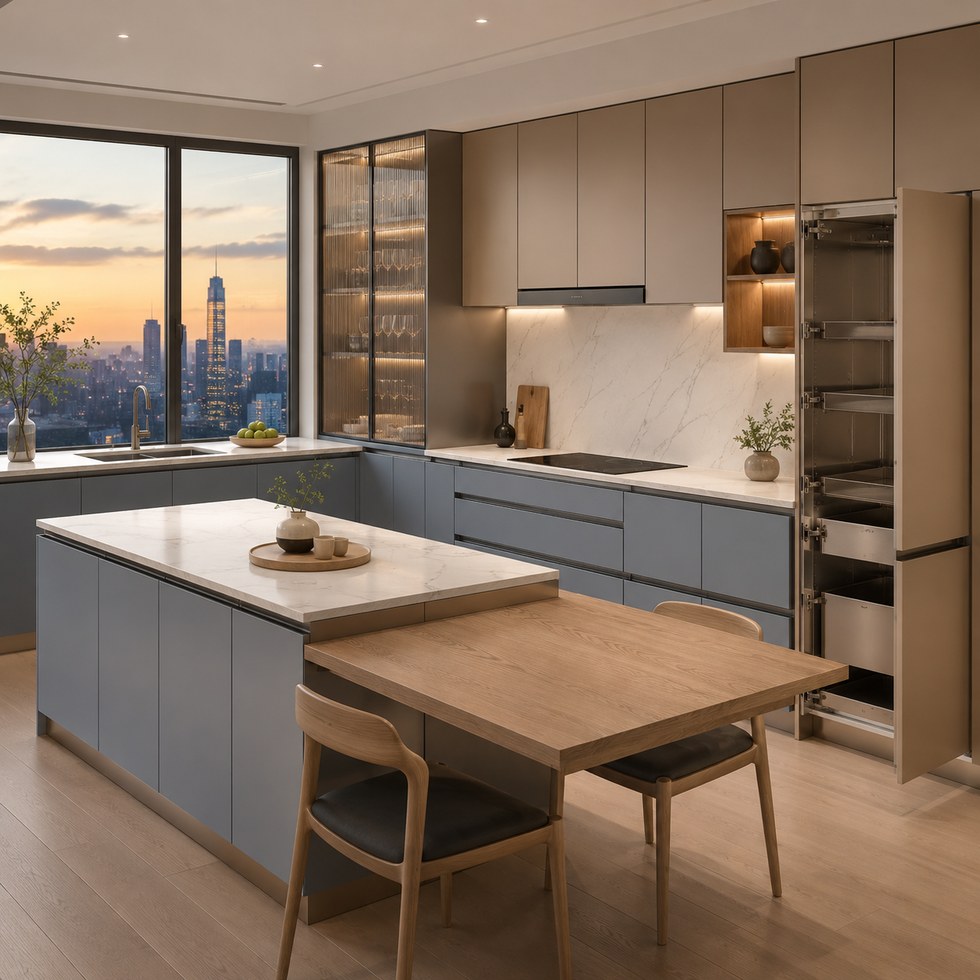
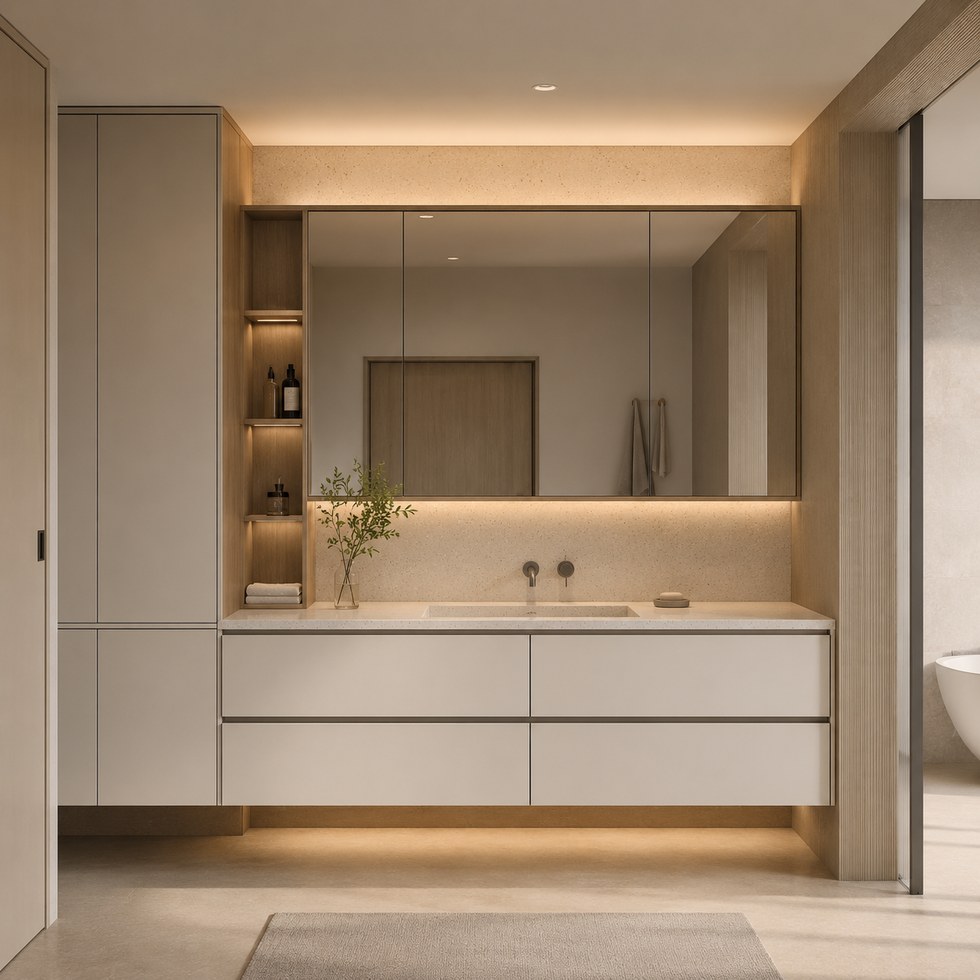
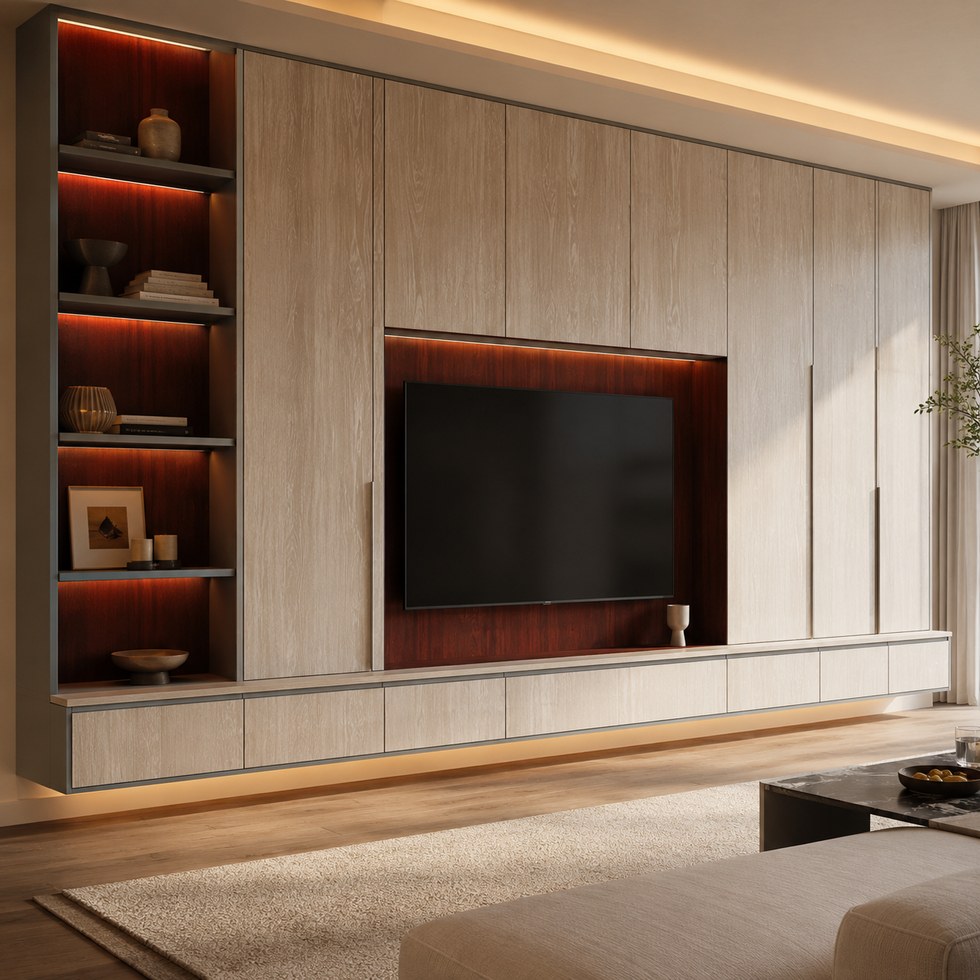
Custom kitchen cabinetry, master walk-in closet, primary bathroom vanities, and matching wall cladding panels. | Customization & Value Density: Fixed joinery yields substantial design flexibility. Millwork dimensions, internal organizers, drawer configurations, and finishes (lacquer, PET, wood veneer, integrated LED profiles) can be manufactured to your floor plans. | Requires confirmed on-site framing dimensions and appliance cut-outs. Cannot be readily returned or re-cut once dispatched from the factory. |
|
Stage 2 Expansion: Foshan Consolidation |
Living room sofas, dining tables, dining chairs, bed frames, and secondary storage units. | Aesthetic Alignment & Freight Volume: Sourcing these alongside or shortly after your main joinery allows visual matching across timber tones, lacquer finishes, and upholstery textures. Foshan showrooms offer extensive modern and minimalist collections. | Loose furniture takes up significant cubic volume (CBM). Ordering isolated items without consolidating into a viable sea-freight consignment results in high freight overhead per piece. |
|
Stage 3 Retain Local: Local Retail & Trade Supply |
Major appliances, plumbing tapware, drainage components, electrical fittings, urgent move-in essentials, and benchtop stone fabrication. | Immediate Availability & Local Trade Interface: Local retail channels (such as Kaboodle via Bunnings or IKEA Australia) keep selected modular ranges in stock or on short turnaround, with domestic warranties for essential areas. Technical trade items should be confirmed directly with licensed domestic trades to ensure they meet regional installation requirements. | Local modular systems generally adhere to fixed modular width increments, requiring filler panels on non-standard walls; site measuring and installation services are charged separately or handled DIY. |
By keeping technical trade utilities and immediate move-in essentials local while channeling custom fitted joinery and coordinated loose furniture through Foshan, you direct your budget toward bespoke manufacturing without complicating on-site trade interfaces.
Homeowners attempting phased purchasing often encounter a conflict between a supplier’s minimum order value and a shipping consignment’s economic balance point.
A factory may agree to produce an order starting at a moderate monetary threshold. However, ocean freight forwarders and destination port terminals charge baseline documentation and clearance fees regardless of whether a crate occupies two cubic meters or twenty. When budgets are staged, buyers face two distinct operational paths, each with specific trade-offs.
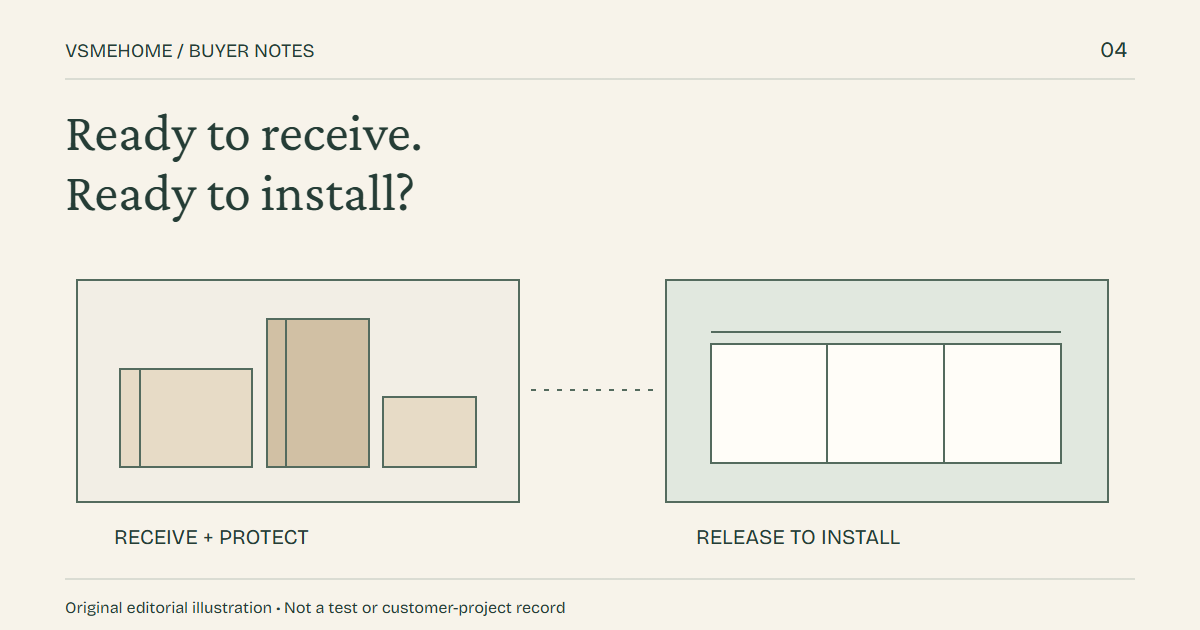
If the gap between your stages is short (e.g., 4 to 8 weeks) and you can finance the deposits and remaining payments due on all goods before export, you can stagger design approvals while consolidating everything into one export container. Stage 1 joinery is engineered and produced first; while it rests in origin staging, Stage 2 loose furniture is completed. All items pack into a single shipping consignment.
If your budget requires spacing purchases across 6 to 12 months, or if you must occupy the home immediately, waiting for a combined container may incur expensive interim rent or secondary storage. Under this path, you import Stage 1 joinery as a dedicated consignment (or purchase core items locally), deferring loose lounge and bedroom furniture to a later phase or sourcing those pieces domestically.
Ask your freight forwarder to price both options for your actual packed volume (CBM) and crate sizes. The lines below show where the two options differ; duties, GST, insurance and installation are separate and should be quoted by a customs broker and local trades.
| Logistics Cost Item | Three Separate Shipments | One Consolidated Shipment | What Drives the Difference |
|---|---|---|---|
| Ocean freight & port terminal charges | Paid three times (one LCL run per phase) | Paid once (one container or consolidated load) | Each shipment repeats the bill of lading fee, terminal handling and a customs clearance entry |
| Domestic delivery to the residence | Three deliveries | One delivery | Site access and tail-lift unloading are booked each time |
| Origin staging & storage | Not needed | Finished items wait at origin until the last phase is ready | Ask the factory how long goods can be held and at what cost |
| Move-in timing | Rooms can be fitted as each phase arrives | Everything arrives together | Delayed move-in can cost more (for example, extra rental) than the freight saved |
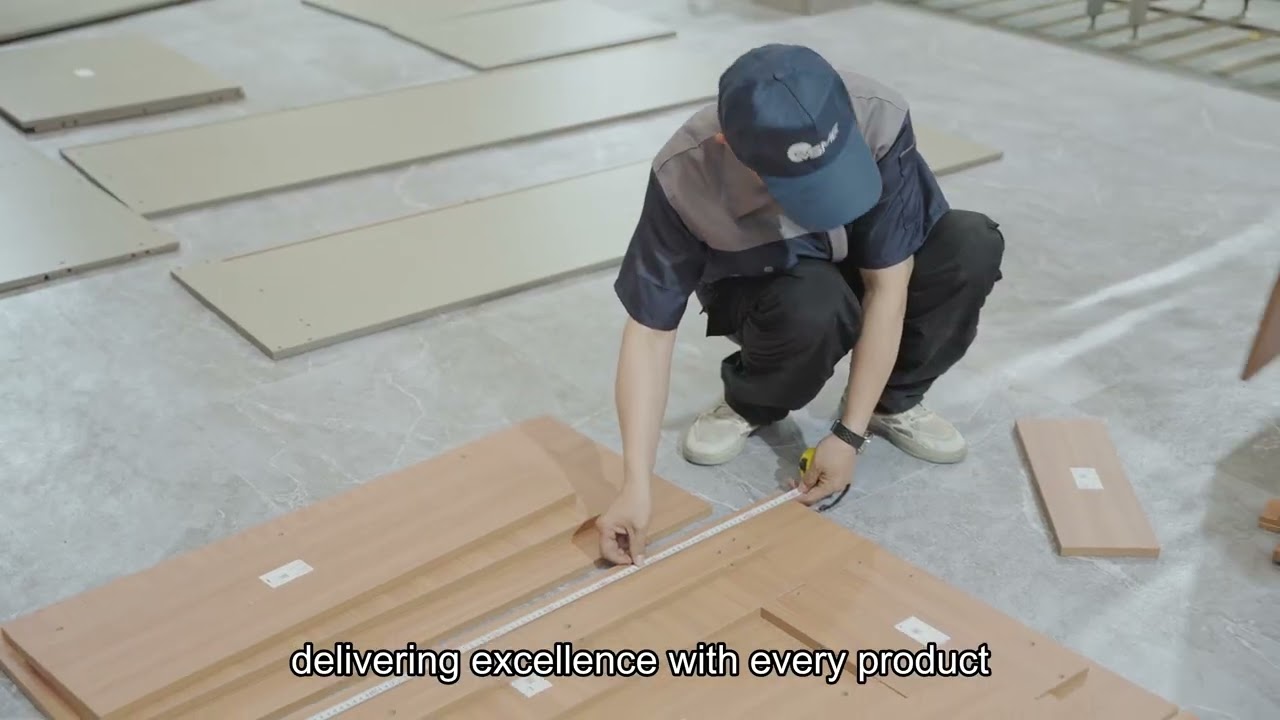
Consolidating usually lowers freight and delivery overhead, but it means holding completed items at origin and can delay move-in if essential rooms depend on that shipment. Choose by your occupancy date and storage options, using the forwarder’s two quotes. Each production run at VSME takes about 45–55 days after payments reach 50% of the order value.
Understanding where categories are concentrated across Foshan helps structure your project brief:
The Operational Reality: Geographic concentration does not automatically assemble an order. If you commission custom joinery from Chancheng, lounge furniture from Longjiang, and dining tables from Lecong, someone must coordinate receiving, inspect external crating, and plan container loading so that fragile joinery panels and heavy case goods travel securely.
When selecting a supplier or coordinator for a single-home order that may be phased or multi-category, evaluate published terms, order thresholds, and operational models. Below is an editorial comparison of practical routes and established suppliers based on published operational scopes.
Authoring Organization Profile
To execute a staged procurement plan cleanly and avoid unexpected warehouse storage or freight overhead, maintain a disciplined project sequence:
Phased sourcing from Foshan does not require an all-or-nothing purchase. By anchoring your order around high-value custom joinery, choosing a consolidation strategy that aligns with your real move-in timeline, and keeping technical utility items with licensed local trades, overseas homeowners can achieve tailored interior design while keeping financial risk and logistics overhead strictly manageable.
Plan production timing · Explore cabinet price ranges. For product options, explore our kitchen cabinets or share your project with our team.