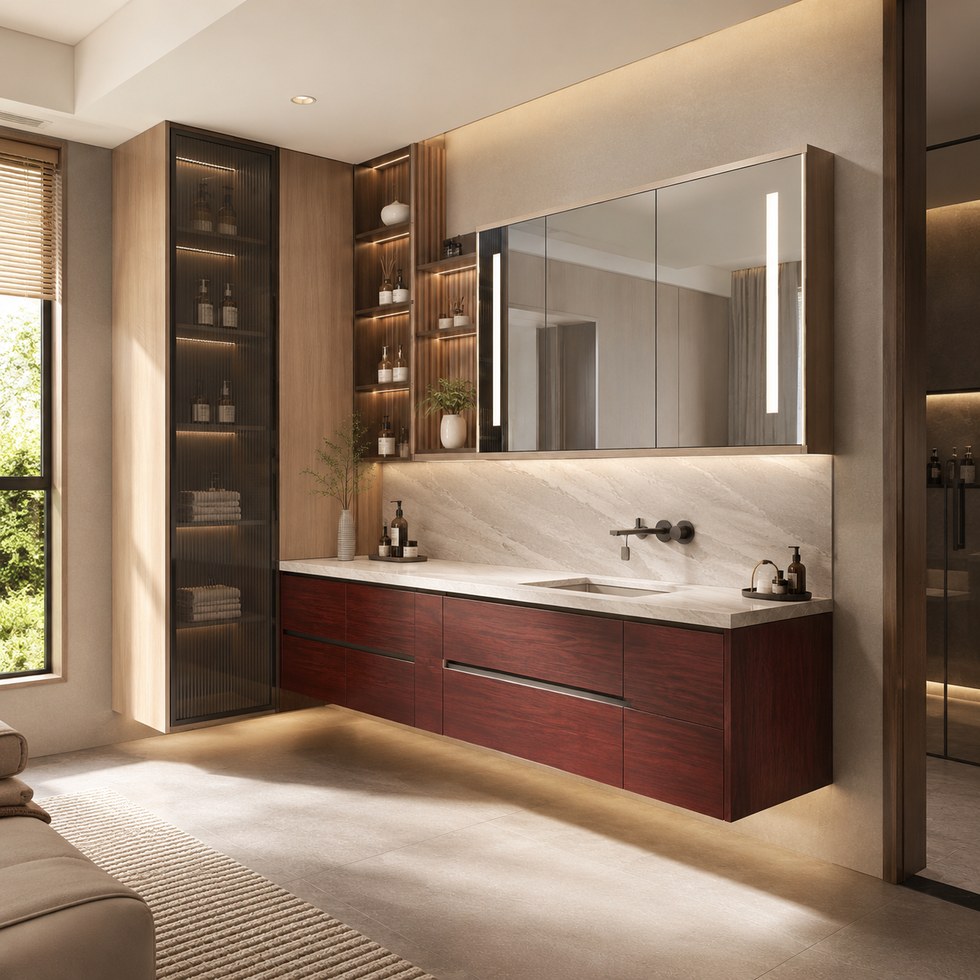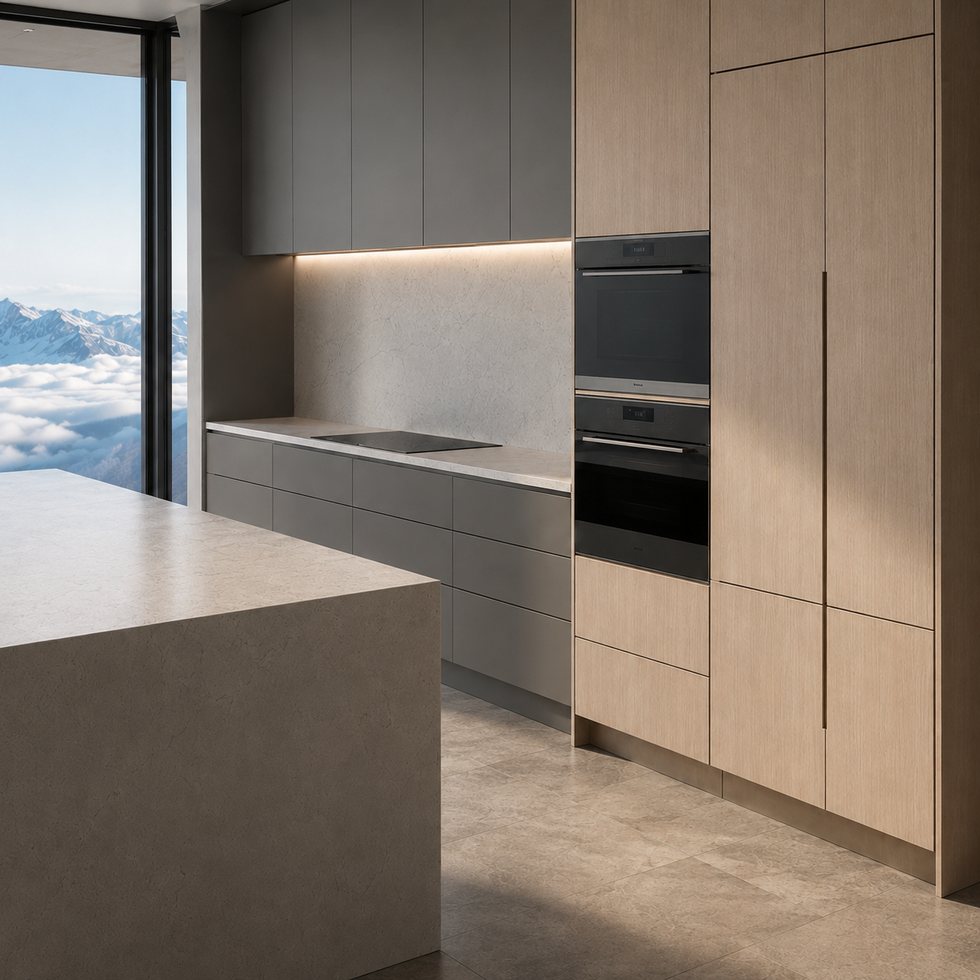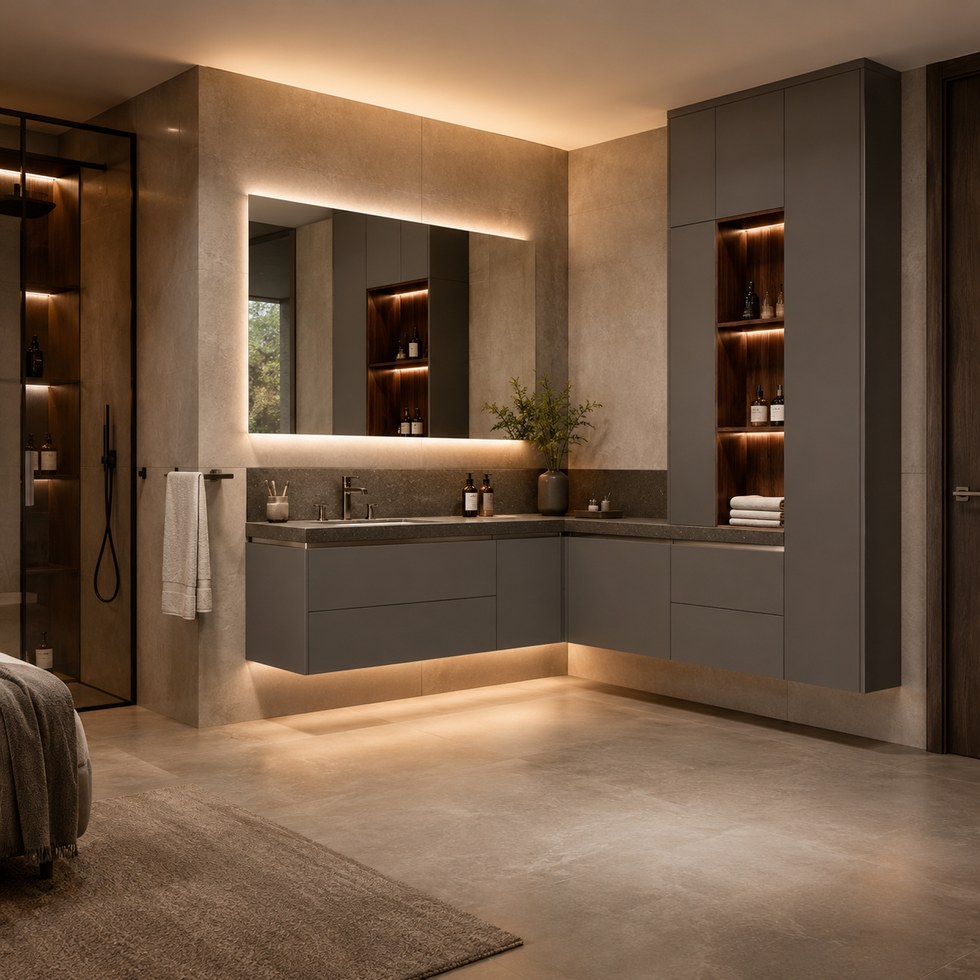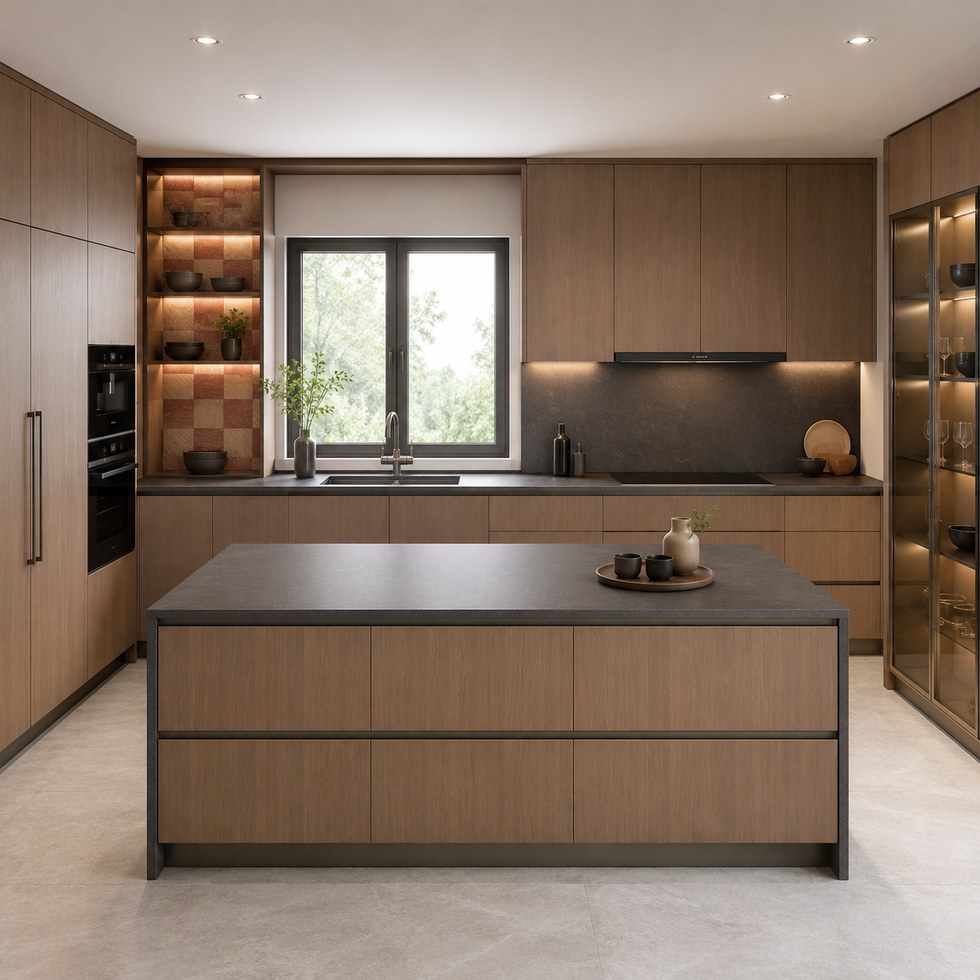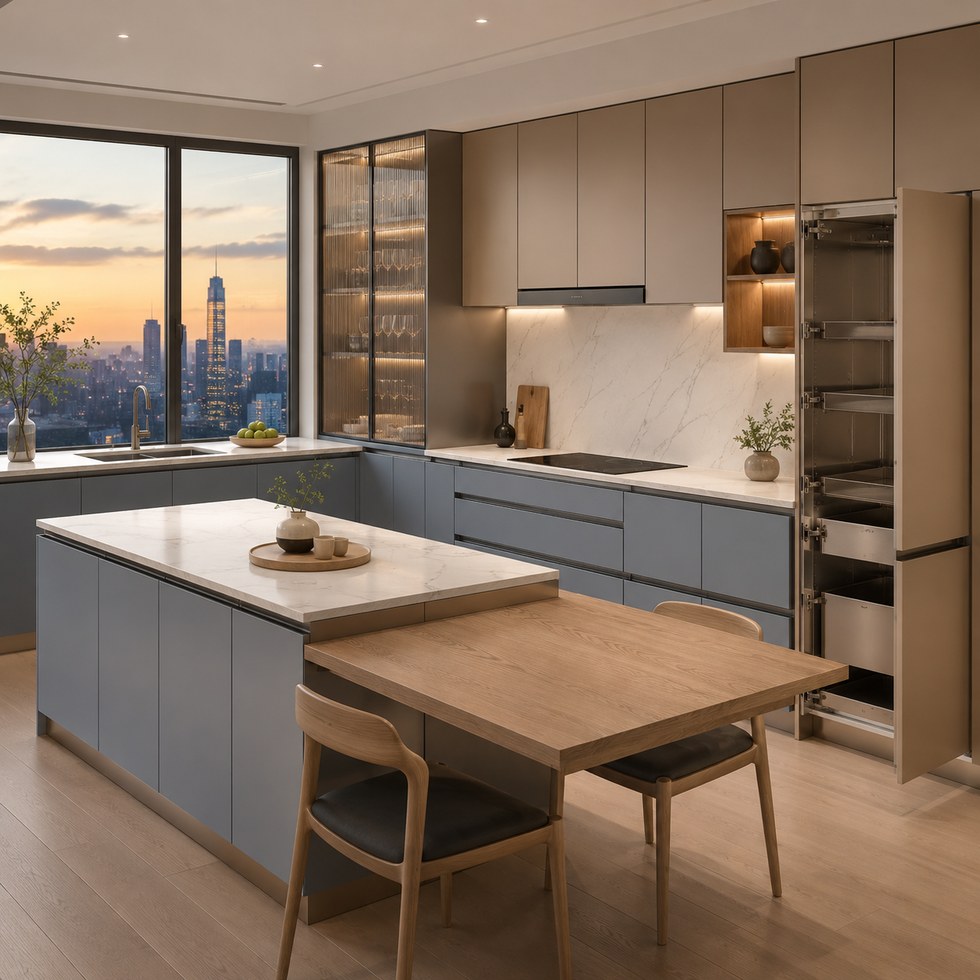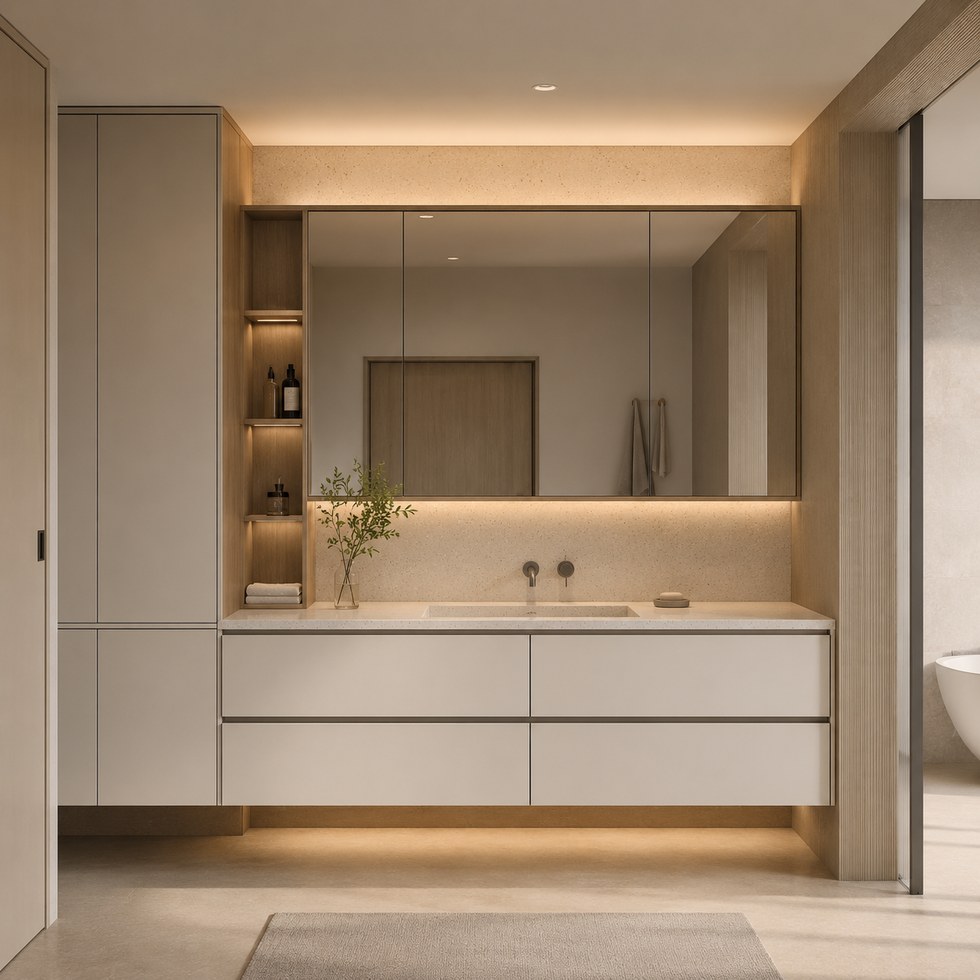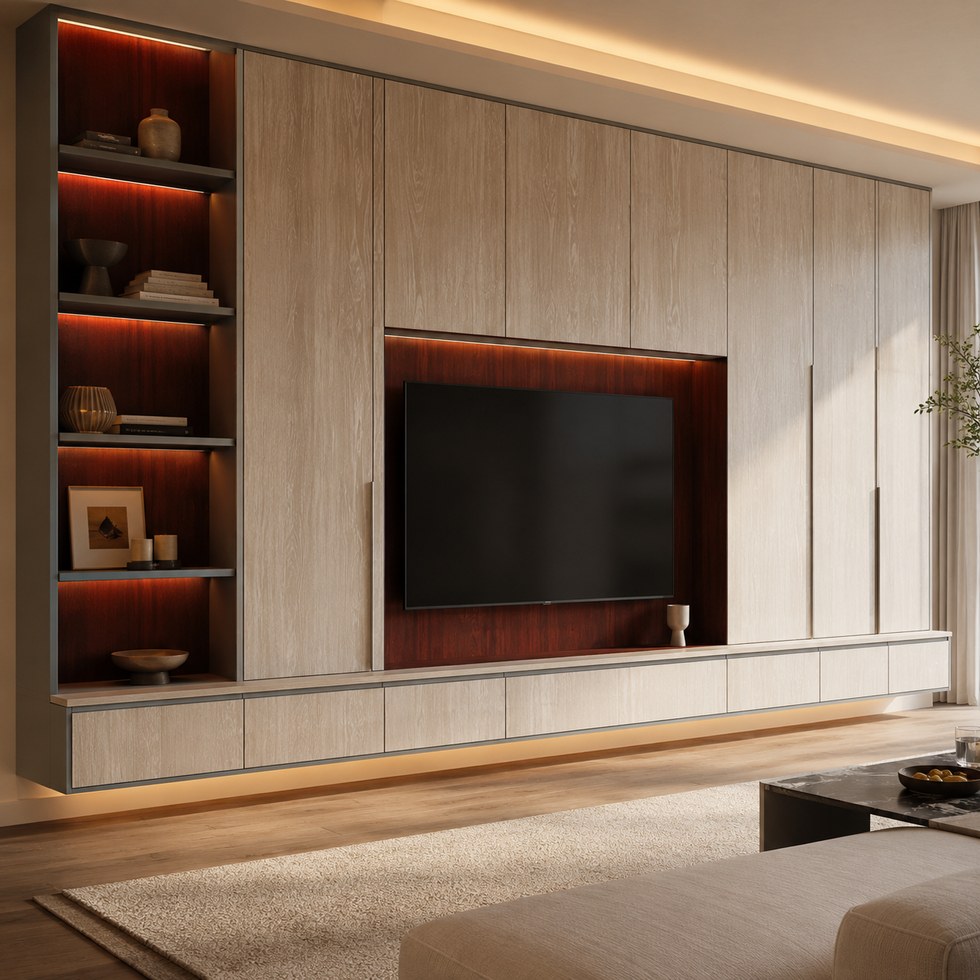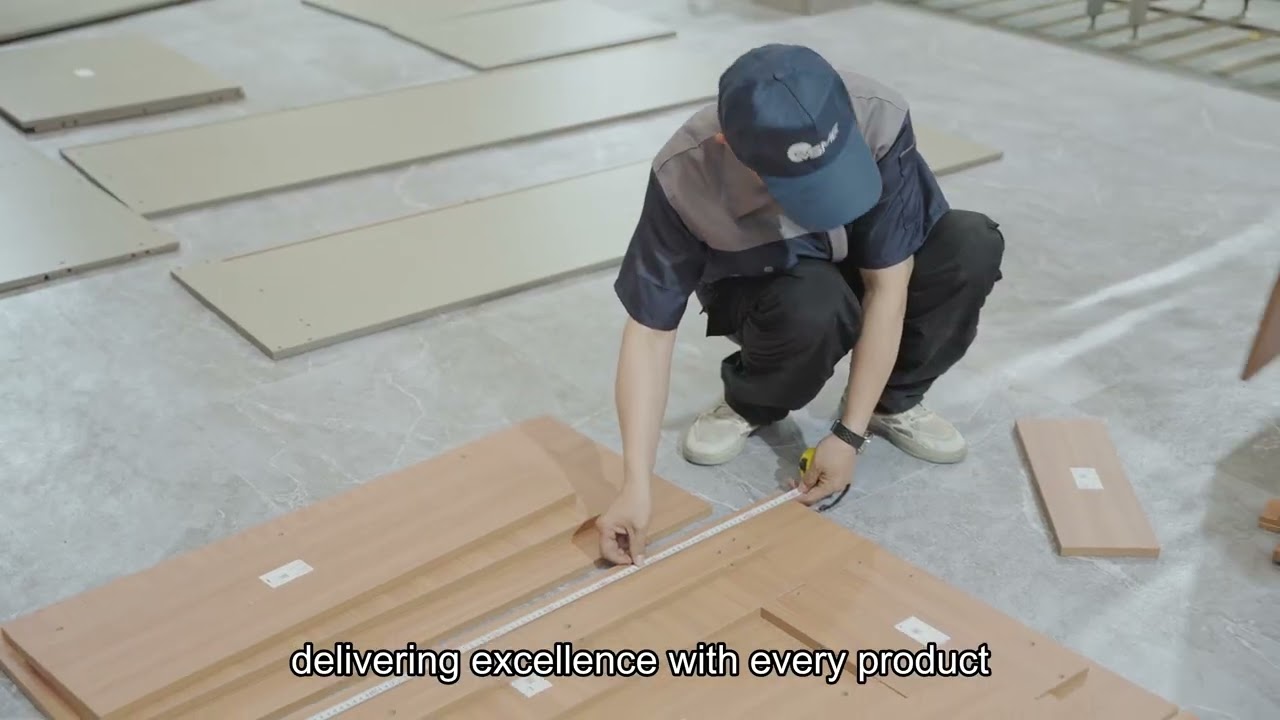
When furnishing a single residential home—combining fitted kitchen cabinetry, walk-in wardrobes, bathroom vanities, and loose living or dining furniture—private homeowners and independent builders frequently turn to Foshan, China. As one of China's most established home furnishings manufacturing and trading hubs, Foshan concentrates architectural joinery makers, upholstery workshops, and sprawling wholesale furniture malls across Shunde and neighboring districts.
However, for a single-house project, a critical practical question arises before booking flights or transferring deposits: Is it worth spending substantial travel funds to visit Foshan in person, or can you achieve comparable commercial and aesthetic results by sourcing remotely?
Furthermore, navigating Foshan’s geography poses distinct operational considerations. Browsing a ready-made sofa in a Lecong commercial showroom is fundamentally different from commissioning custom-built kitchen joinery from a specialized cabinet workshop. Sourcing varied product categories across multiple independent suppliers requires a clear coordination and shipping plan to prevent duplicated domestic trucking, handling confusion, and site alignment issues.
This guide analyzes the financial and practical trade-offs between visiting Foshan and sourcing remotely, outlines realistic budgeting and service frameworks, maps out Lecong showrooms versus manufacturing routes, and provides a comparative review of suppliers organized by buyer fit for mixed residential orders.
An on-site visit to Foshan should be evaluated as an investment in hands-on selection and tactile verification rather than an automatic route to lower product quotes. Whether you sit across a negotiation table in a showroom or communicate across digital channels, underlying production costs remain driven by materials, hardware, and design complexity.
| Procurement Method | Primary Strengths | Key Constraints & Trade-Offs | Best Project Fit |
|---|---|---|---|
|
In-Person Buying Trip (3–4 Days on the Ground) |
Direct physical assessment of sofa seating comfort, fabric textures, timber finishes, and marble slabs; immediate side-by-side comparison across competing Lecong showrooms; face-to-face review of cabinet details. | Direct travel overhead (flights, hotels, transport, guided fees); fast-paced showroom environment; commitments made verbally during walkthroughs still require thorough written documentation and shop-drawing sign-off. | Multi-room projects where the buyer needs to physically experience seating ergonomics, resolve custom styling palettes in person, or inspect specialized finishes before placing deposits. |
|
Remote Sourcing with a Local Partner (Drawings & Video Review) |
Eliminates international travel expenses; decisions proceed methodically against technical drawings, finish schedules, and swatches couriered to your door; itemized quotes reviewed without showroom sales pressure. | Relies on third-party photography, video walkthroughs, and shipped finish samples; evaluating subjective comfort or nuanced color variations under home lighting requires disciplined communication. | Buyers with defined architectural drawings, confirmed layout schedules, and clear furniture references who prefer managing procurement remotely to avoid travel overhead. |
The Break-Even Principle:
If an in-person buying trip is assumed to cost 2,500 to 3,500 USD (covering international flights, lodging, local transport, dining, and professional market guides), that expense represents an upfront addition to your procurement cost. For an illustrative 25,000 USD whole-home order, travel expenses equal 10% to 14% of the product budget. To break even purely on a financial basis, the visit must generate net price reductions that offset this expense or prevent errors that would cost more to rectify later.
A Practical Hybrid Approach:
For many single-home buyers, a balanced approach starts remotely before committing to travel:
When planning to purchase home furnishings through Foshan, budgeting involves ground logistics, professional market guidance, and post-order coordination.
Check current fares and rates for your dates; costs vary with departure city, season and hotel choice.
Navigating independent showrooms and industrial workshops often involves local support. In Foshan, service arrangements vary across providers:
Foshan’s furnishing trade is distributed across specialized districts. Aligning your schedule with where specific items are concentrated prevents wasted travel time.
| Districts & Venues | Primary Category Focus | Procurement & Order Mode | Key Verification Points |
|---|---|---|---|
|
Lecong Commercial Mall Strip (Louvre, Sunlink, Empire, IFEC) |
Finished loose furniture: sofas, lounge chairs, dining tables, upholstered beds, and accent decor. | Showroom displays. Orders are placed against displayed models with choices for fabrics, leather grades, and wood finishes. | Determine whether the showroom represents a direct factory outpost or an independent trading dealer; obtain written trade quotes; specify export-grade protective crating rather than domestic wrapping. |
|
Longjiang Town Cluster (Industrial & Wholesale District) |
Upholstered seating, sofa framing, dining chairs, mattresses, and furniture hardware markets. | Direct factory workshops and wholesale trade spaces (e.g., Ma'ao, D+ Home Art Park). Made to order based on standard lines or buyer specifications. | Check minimum order quantities (MOQs), as some factory lines require commercial volume runs; inspect internal frame wood, upholstery seams, and cushioning resilience. |
|
Chancheng & Nanhai Districts (Joinery & Materials Hubs) |
Custom kitchen cabinetry, built-in wardrobes, bathroom vanities, interior doors, wall cladding, and architectural aluminum. | Custom fabrication based on confirmed shop drawings. Panel sizing, edge-banding, and hardware integration. | Review carcase board substrates (e.g., multi-layer plywood vs. moisture-resistant boards); confirm hardware brands; review appliance cut-outs and plumbing provisions. |
For visitors organizing a 3-day Foshan buying trip, local sourcing guides such as the Source Foshan Market Guide suggest structuring the itinerary by decision type rather than driving aimlessly between districts:
A single residential interior generally consists of mixed product types: 1 kitchen, 3 wardrobes, 3 vanities, 1 sofa set, 1 dining table with chairs, and bedroom sets. Because specialized manufacturers rarely produce bespoke kitchen cabinetry and upholstered lounge seating within the same workshop, consolidating these items into one sea-freight consignment is central to an efficient project.
Homeowners generally choose between two primary operational structures:
Under this approach, you hire an independent sourcing and consolidation company (such as Source Foshan or Foshan Sourcing Agent). You select cabinetry from one maker, sofas from a second, and dining pieces from a showroom. The agency collects items at its warehouse, inspects goods against agreed checklists, crates delicate pieces, and oversees container packing. Consideration: You pay a percentage service fee (3%–5% in the Source Foshan example above), retaining flexibility to source from multiple independent showrooms across the city.
In this structure, a custom cabinetry manufacturer acts as the core anchor for your project. Where built-in cabinetry (kitchens, wardrobes, vanities) forms the main custom order, the manufacturer produces the custom millwork in-house. For loose furniture, the manufacturer assists in sourcing or coordinating complementary items directly into the export container. Consideration: This model consolidates technical communication with the primary engineering maker, though buyers should ensure that loose furniture coordination terms, handling, and crating costs are clearly agreed in writing beforehand.
Selecting a partner for a single-home project requires balancing custom manufacturing capabilities with an operational setup suitable for residential quantities. Below is an editorial comparison of established Foshan entities based on published service terms, stated capabilities, and residential project fit.
Authoring Organization Profile
Whether traveling to Foshan or managing procurement remotely, following a structured workflow keeps quality and budget under control:
By understanding how the Foshan cluster functions and establishing clear coordination lines, overseas homeowners can access competitive manufacturing craftsmanship, control logistical overhead, and furnish an entire residence with clarity and confidence.
Meet Moyisi / VSME and check ordering facts · Check the minimum order. For product options, explore our kitchen cabinets or share your project with our team.
Related guide: Before paying a deposit to any factory, see how to verify a cabinet manufacturer in China.