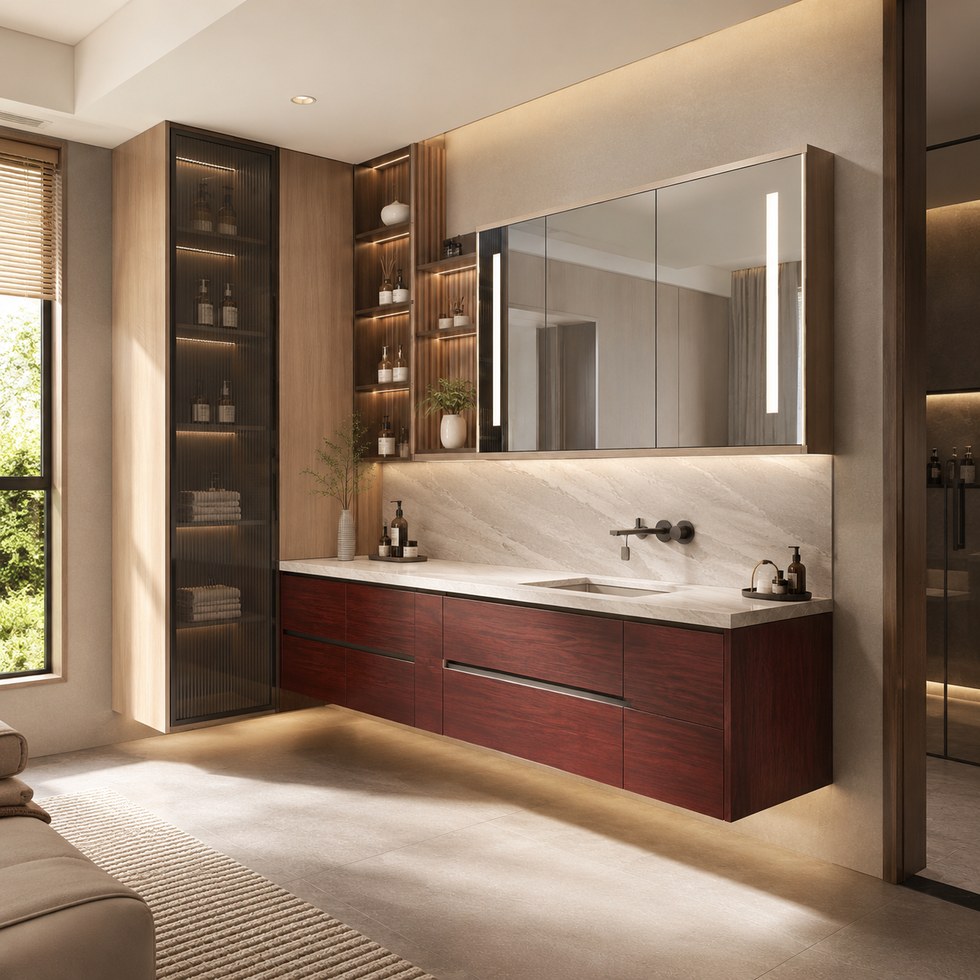
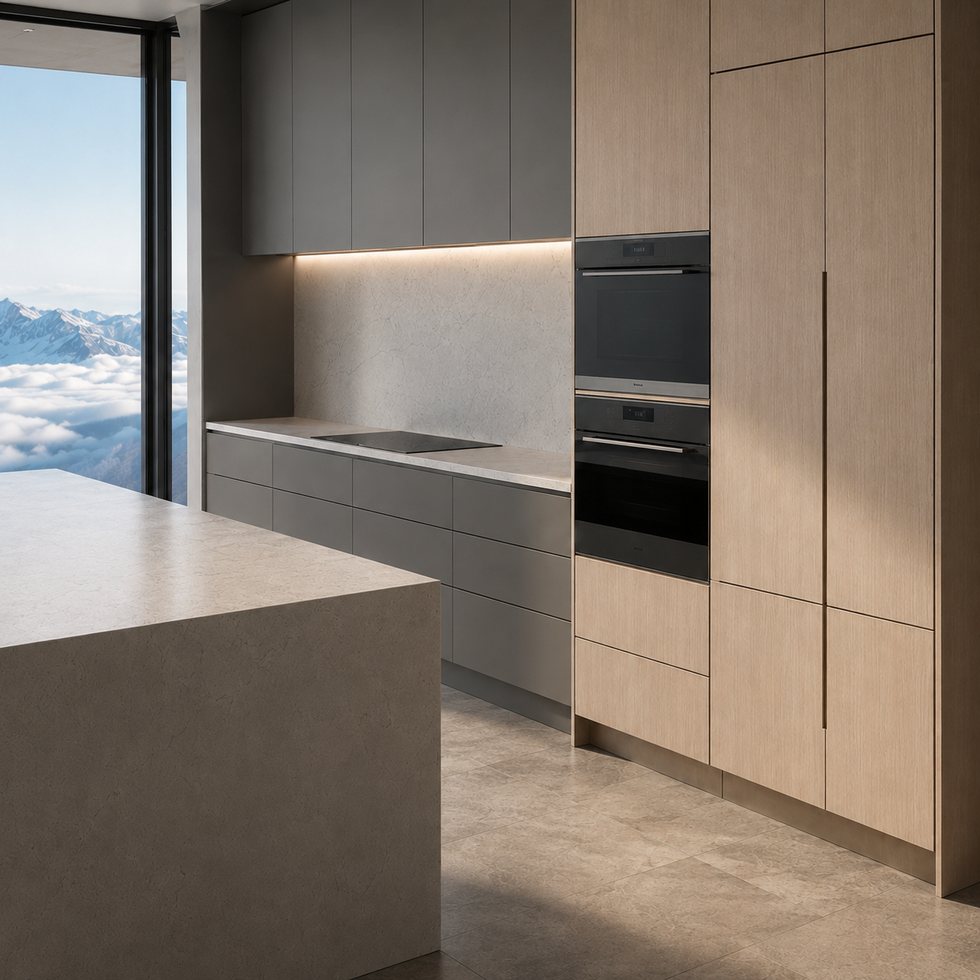
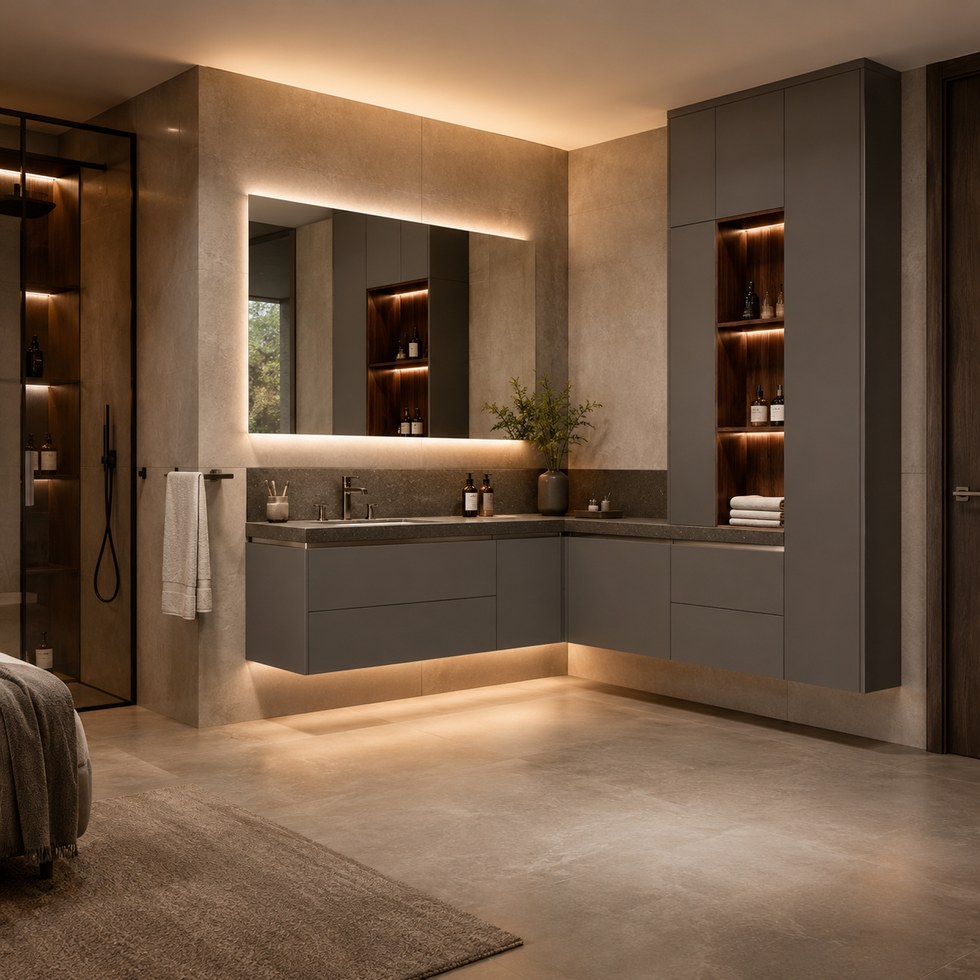
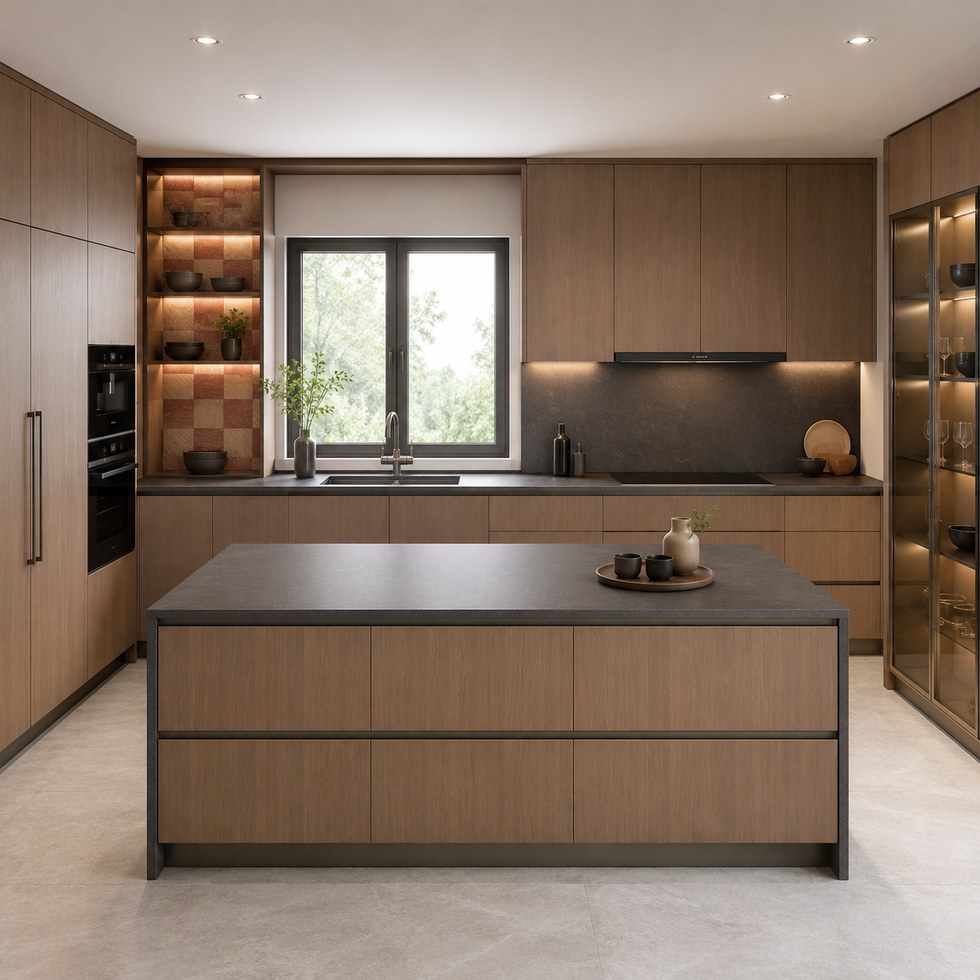
When furnishing a complete home from overseas, buyers frequently encounter a practical dilemma while exploring Foshan's vast market: should you buy discounted showroom displays and ready-stock furniture, or commission custom made-to-order pieces directly from factories? And where does it make sense to simply buy from local retailers in your home country?
Showroom clearance items can look appealing with visible price discounts, but an attractive tag on the floor does not automatically result in the best delivered value once packing, international shipping, local delivery, and interior coordination are included. Choosing between ready-stock pieces and custom joinery comes down to weighing physical dimensions, seating comfort, material coordination, and your move-in deadline.
1. The Real Cost Dynamic: Showroom Stock vs. Made-to-Order
To determine whether a showroom display or warehouse stock piece is truly good value, compare the final landed and assembled cost of an identical or comparable specification, rather than looking only at initial domestic price tags.
Display Stock and Surplus: Clearance items avoid factory production lead times, and sellers are often open to negotiation on floor samples. However, showroom samples may carry handling wear or minor cosmetic marks, may lack original factory packaging, and come in fixed dimensions and non-negotiable fabrics. If you purchase only a handful of loose pieces from separate sellers, individual collection and handling can add disproportionate freight and administration costs per item.
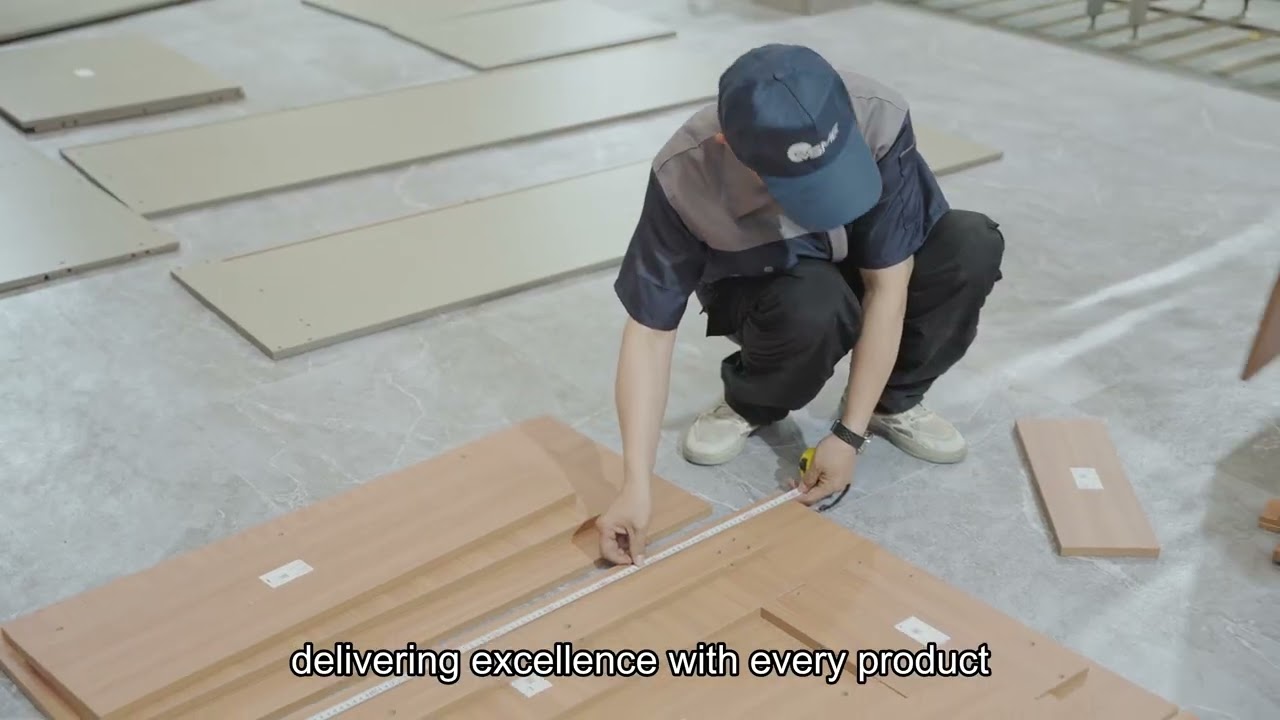
Made-to-Order Factory Production: Custom pieces require drawing review, finish approvals, and factory production lead times. While pricing reflects bespoke manufacture rather than clearance liquidation, custom orders allow carcass layouts, interior storage depths, and decorative finishes to be adapted to your floor plan and lifestyle needs.
Local Retail and Modular Channels: Buying furniture or modular flat-pack systems locally eliminates international ocean freight exposure and border clearances. While retail ticket prices in Australia or North America can be higher than factory-gate quotes in China, local buying allows direct physical testing and simplifies returns, domestic customer service, or urgent trade coordination.
2. Room-by-Room Practical Guide: Stock, Custom, or Local?
A balanced whole-home sourcing plan rarely commits 100% to a single channel. Experienced homeowners allocate their budget based on fit, function, and comfort:
Kitchen Cabinetry: When Custom Makes Sense vs. Modular Stock
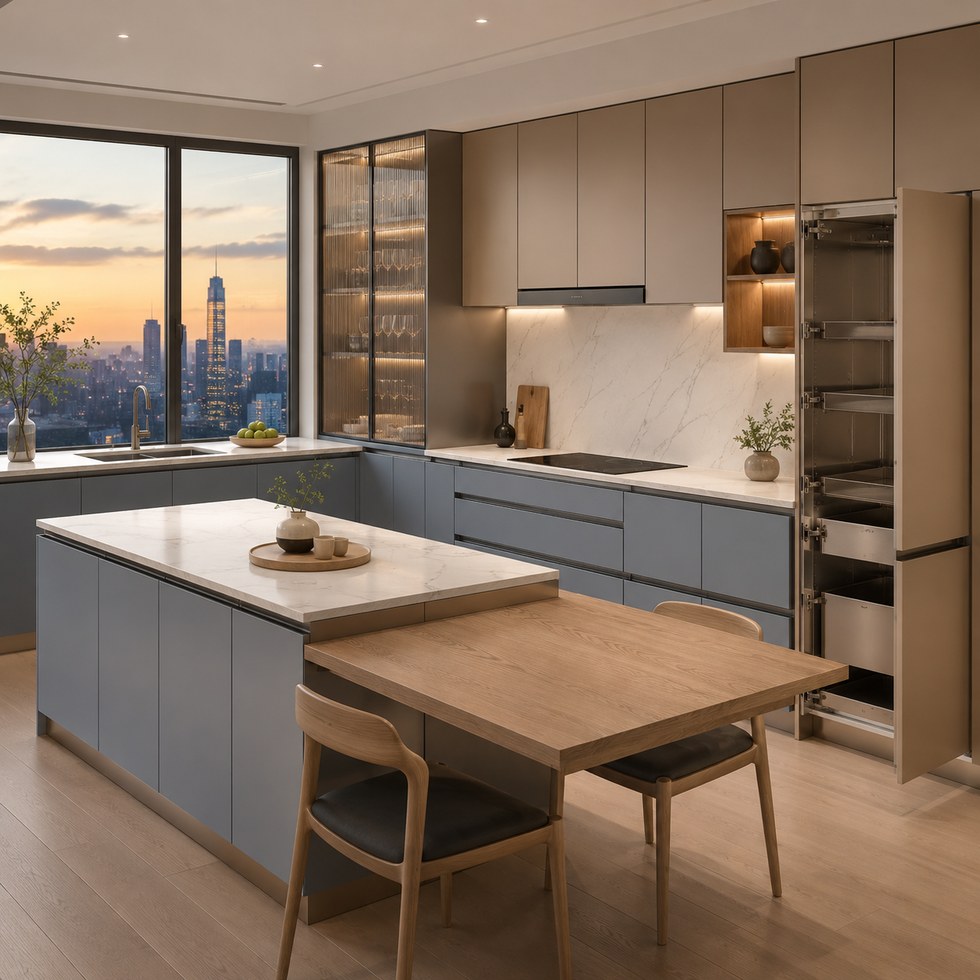
A kitchen can be built from modular units (such as local flat-pack systems from IKEA or Kaboodle/Bunnings in Australia) or commissioned through custom fabrication. Modular systems work well when your room dimensions match standard cabinet widths and your chosen range is available for pickup within your schedule. On the other hand, custom-built cabinetry from a specialized factory is particularly advantageous if you want floor-to-ceiling runs without large filler gaps, specific integrated appliance cutouts, specialized interior pull-outs, or consistent timber veneer panels running across tall cabinet banks.
Wardrobes & Closets: Freestanding vs. Built-In
Standard freestanding wardrobes, standalone chests of drawers, and modular bedroom cabinets can often be purchased from ready showroom inventory if their external dimensions sit comfortably within your room. In contrast, built-in wardrobes designed to fit tightly against uneven plastered walls, accommodate specific skirting heights, or maximize vertical storage up to high ceilings usually benefit from made-to-order fabrication.
Sofas & Living Seating: Prioritizing Comfort
Seating comfort depends heavily on seat depth, back rake angle, foam firmness, and upholstery feel. If you are visiting Foshan showrooms in person, purchasing a floor display sofa allows you to personally evaluate ergonomics and build quality before paying. If sourcing remotely, buying clearance seating involves greater personal uncertainty. If your living room requires a specific sectional configuration, pet-resistant fabric, or a particular seat firmness, custom factory production allows you to specify cushions, frame details, and fabric swatches prior to production.
Dining tables, dining chairs, coffee tables, consoles, and bedside units are prime candidates for ready-stock purchasing. These loose furnishings do not interface with in-wall plumbing or electrical runs and are simple to verify visually. When inspecting showroom stock, you can check leg stability, marble or sintered stone veining, and surface finishing directly. Commissioning custom dining furniture is generally necessary only when you need non-standard dimensions or want table finishes to coordinate closely with adjoining joinery.
3. Aligning Finishes Across Rooms
Overseas homeowners furnishing a whole house sometimes encounter color and texture variations when purchasing independent clearance pieces from different showrooms. A timber dining table from one vendor may carry a different undertone from a sideboard bought elsewhere, even if both are labeled with similar wood names.
Wood stains, lacquers, veneers, and stone surfaces interact differently depending on room lighting and substrate characteristics. Sourcing unrelated floor items across multiple showrooms means:
Matching dye or lacquer batches should not be assumed; compare physical swatches or the actual stock pieces.
Sheen levels and metal plating tones may vary noticeably across adjoining spaces.
Discontinued stock lines provide limited options to order matching extra panels if site revisions occur later.
If an open-plan layout connects your kitchen, dining, and main lounge, coordinating the core joinery and complementary loose furniture through a single manufacturing and consolidation partner helps align material schedules and ensure approved physical swatches serve as a clear common benchmark.
4. Move-In Timelines: Navigating the Full Delivery Chain
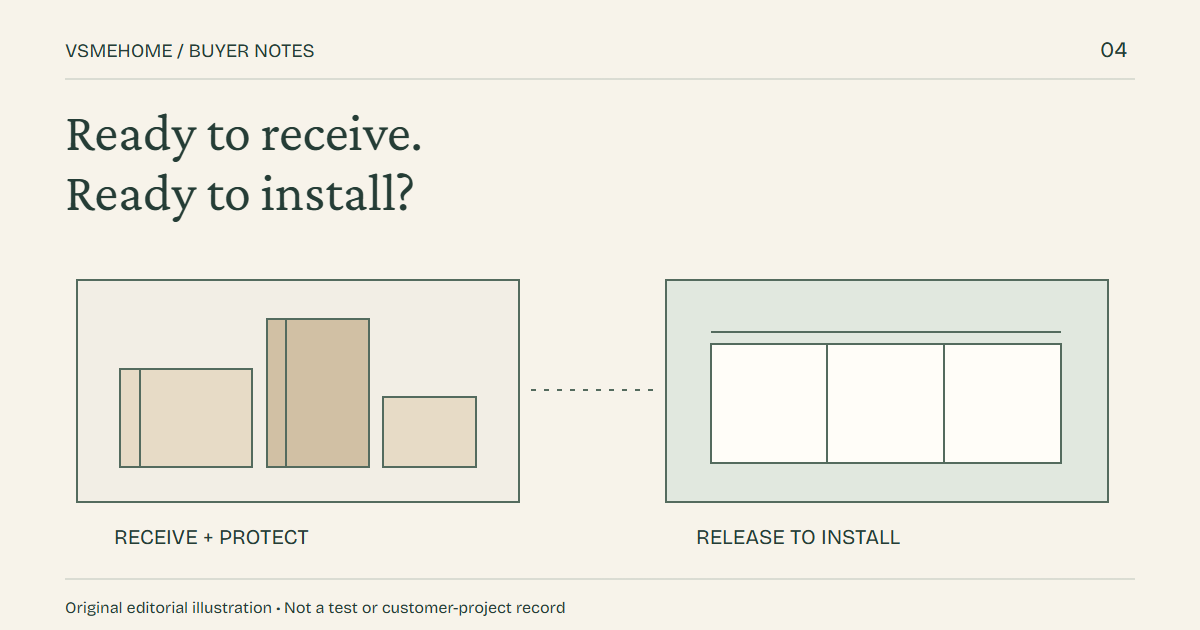
While ready-stock furniture can be dispatched from a showroom or domestic warehouse in a matter of days, overseas homeowners should keep in mind that factory-gate dispatch is only the initial part of international delivery.
For an overseas delivery, every shipment involves several steps:
Consolidation & Export Packing: When gathering loose pieces from various Lecong showrooms, items must be consolidated at a central export warehouse, checked against packing lists, and packed in protective cartons or wooden crates suitable for the route and destination requirements.
Container Booking & Export Clearance: Loading a 20GP or 40HQ container, trucking it to departure ports (such as Nansha, Yantian, or Shekou), and clearing Chinese export customs.
Ocean Transit: Sea voyages vary by carrier route and destination port. Request the current sailing schedule and distinguish port-to-port transit from the total delivery period to your home.
Destination Clearance & Final Delivery: Port terminal processing, customs duty and GST assessment, biosecurity clearance (such as DAFF import checks in Australia), and final road delivery to the site.
Because these shipping legs apply to both stock and custom cargo, ready stock saves primarily the manufacturing period. If you require custom cabinetry alongside loose furniture, starting joinery production early allows custom manufacturing to proceed in parallel while you select and consolidate loose furnishings for one combined container shipment.
5. Overview of Sourcing Channels and Suppliers
To choose the right procurement pathway, homeowners can evaluate the main supplier categories and purchasing channels available in Foshan and destination markets:
Wide product variety for in-person evaluation; convenient for testing sofa seating, comparing dining tables, and reviewing displays.
These are shopping venues, not individual manufacturing plants. Each tenant operates its own commercial terms and policies; multi-showroom consolidation must be arranged separately.
Digital platforms offering factory surplus inventory and showroom stock with remote video inspection.
Pre-shipment video verification; no factory fabrication wait times for loose living and bedroom items.
Foshan Furniture publishes a USD 5,000 minimum shipment value and excludes subjective change-of-mind returns under its terms; its published range centers on loose stock furniture, rather than fitted joinery.
National Cabinetry Brands with Local Outlets
(e.g., OPPEIN)
Large-scale joinery manufacturers with international distributor or showroom operations (such as their Sydney direct showroom).
Established project track record; accessible showroom footprint in Australia; installation guidance and assistance whose delivery scope and charges must be confirmed for the project location.
Pricing and installation fees vary by project specifications and regional scope; confirm available dimensions, customization options, and the exact installation arrangement in the project quotation.
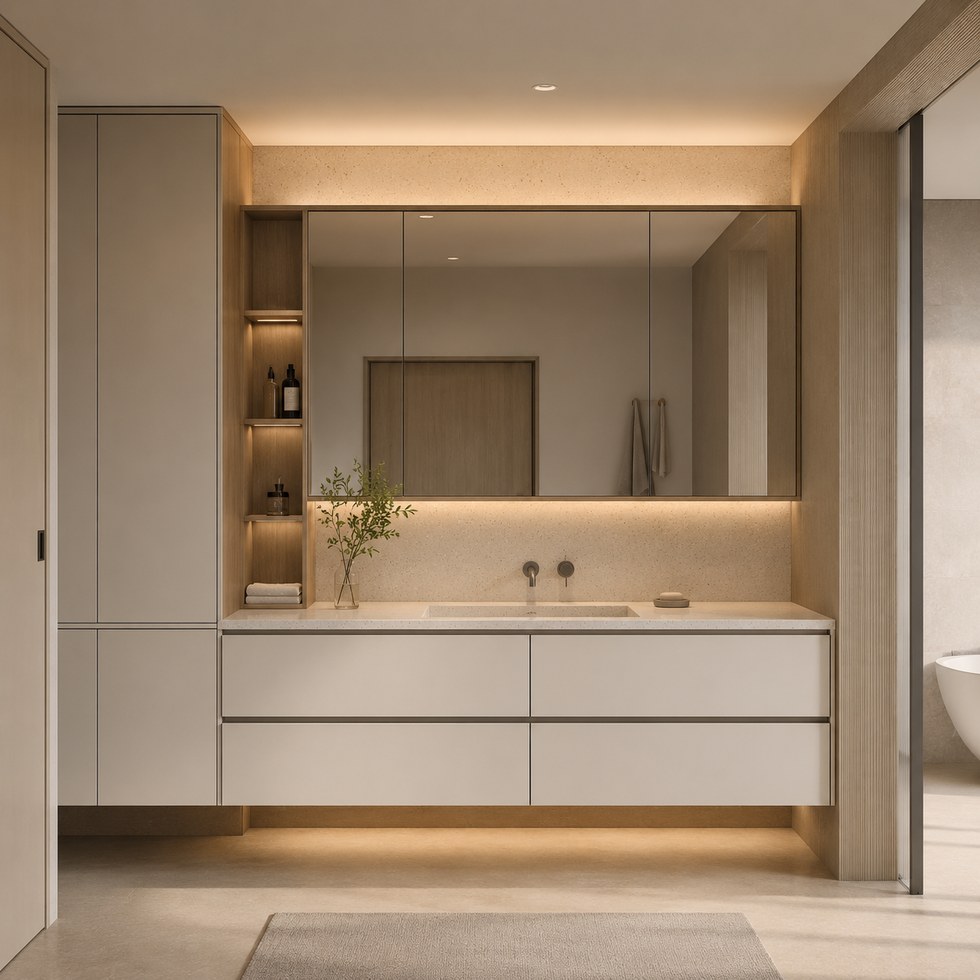
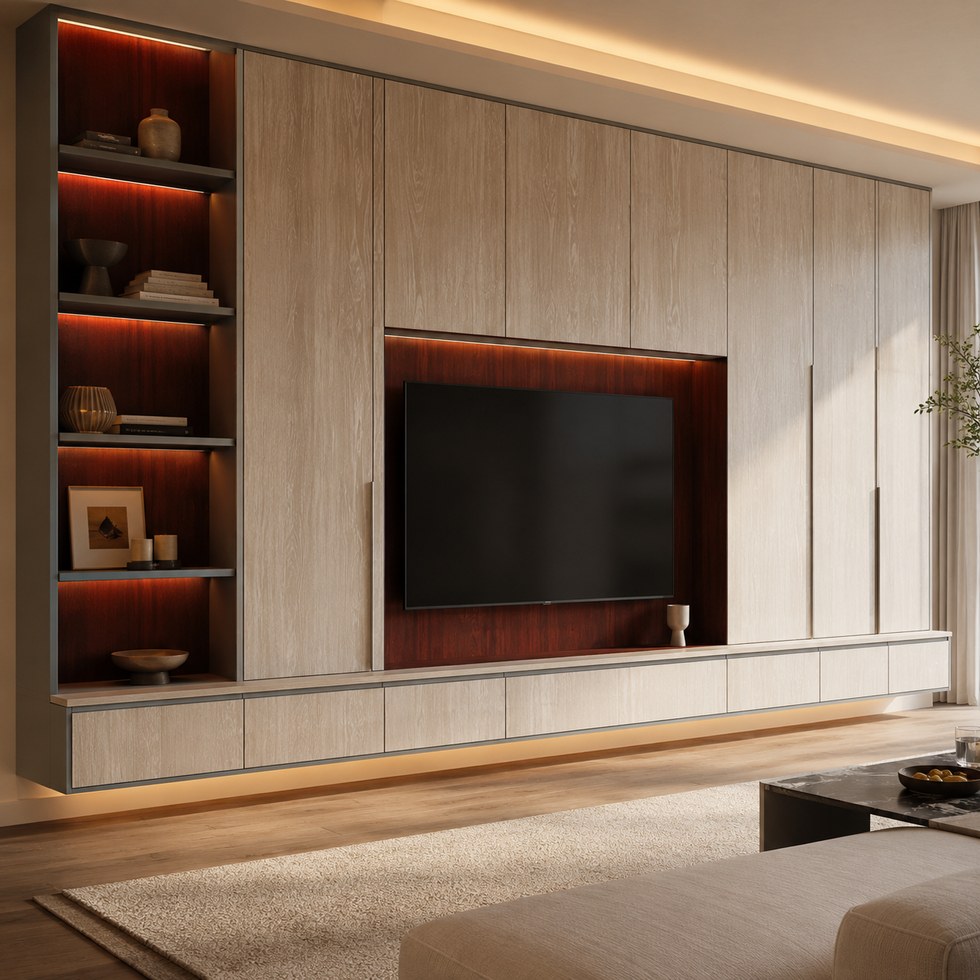
Direct Foshan manufacturing facility producing whole-house cabinetry (kitchens, wardrobes, vanities, wall panel systems) with consolidated loose furniture coordination.
Direct architectural drawing review; cohesive material and finish coordination across cabinetry and loose furniture; export container consolidation alongside orders starting at USD 5,000 (published scope).
Requires finalized architectural floor plans and utility layouts before fabrication starts; site installation must be executed by local trades or arranged as a separate quoted service.
Transparency Note: This guide is published by Moyisi / VSME. We manufacture bespoke residential joinery, cabinetry, and interior door systems from our Foshan facility (explore our collections at Moyisi Home and our English website at VSME Home). When furnishing a private home, we recommend separating items that require made-to-measure engineering from loose furnishings that can be selected from available showroom collections.
For homeowners visiting commercial showroom complexes, international visitor centers at venues such as the Louvre International Furnishings Expo Center offer registered brand-matching services across their 380,000 m² complex in Lecong. For remote buyers interested in available surplus inventory, portals like Foshan Furniture outline remote ordering and video verification procedures. For buyers seeking local project coordination in Australia, OPPEIN Australia maintains a Sydney showroom supporting residential joinery.
6. A Practical Sourcing Strategy
To keep your project organized, consider a three-phase approach:
Confirm the Built-In Joinery Scope First: Finalize your kitchen layout, wardrobe spaces, and vanity dimensions. Work with a qualified joinery manufacturer who provides detailed 2D production drawings and physical material samples.
Consolidate Compatible Loose Pieces: Once your core layout and dominant timber or lacquer tones are confirmed, source dining sets, occasional tables, lounge seating, and bed frames. If shopping showroom stock or clearance in Lecong, choose finishes that complement your cabinetry swatches.
Source Urgent Essentials and Testing-Critical Items Locally: Mattresses, complex ergonomic chairs, and items required immediately for basic occupancy are often best bought from reputable local retailers. This protects your move-in date and ensures accessible domestic customer service.
By treating showroom stock, custom manufacturing, and local retail as complementary sourcing channels, overseas homeowners can take advantage of Foshan's manufacturing scale while ensuring reliable fit, balanced aesthetics, and a smooth move-in timeline.
We use cookies to offer you a better browsing experience, analyze site traffic and personalize content. By using this site, you agree to our use of cookies. Privacy Policy