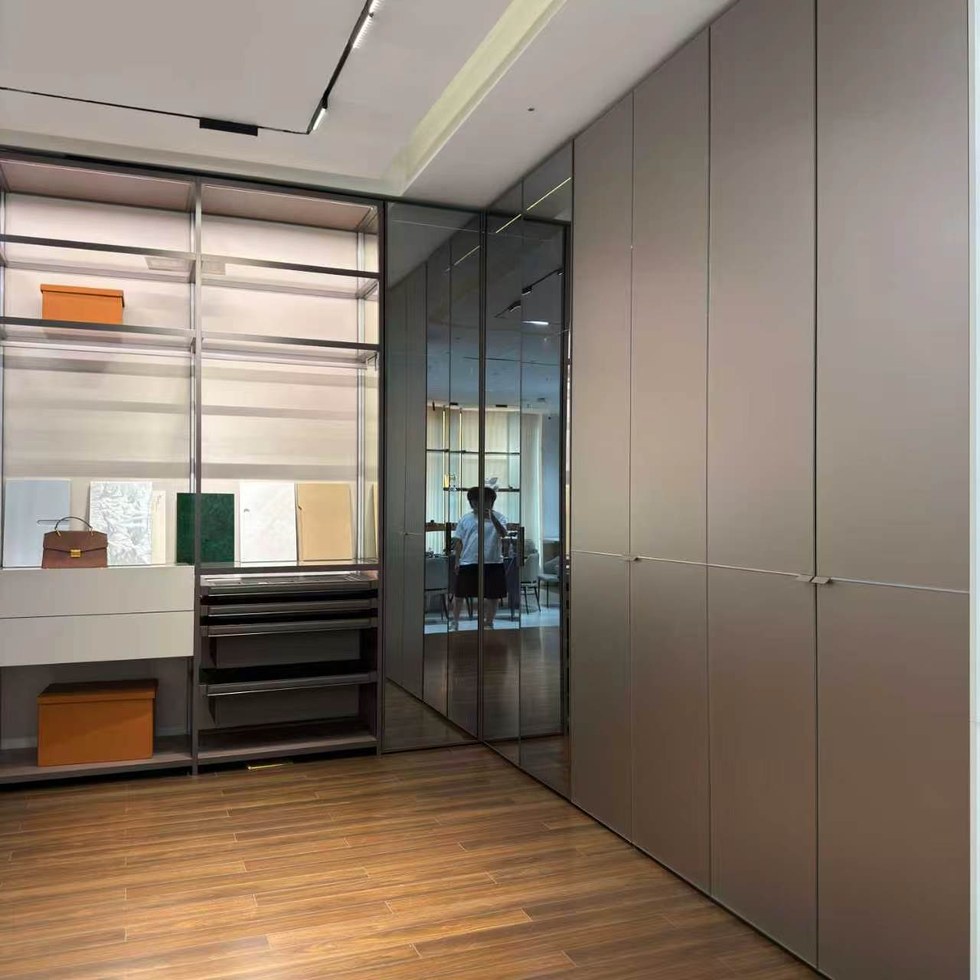
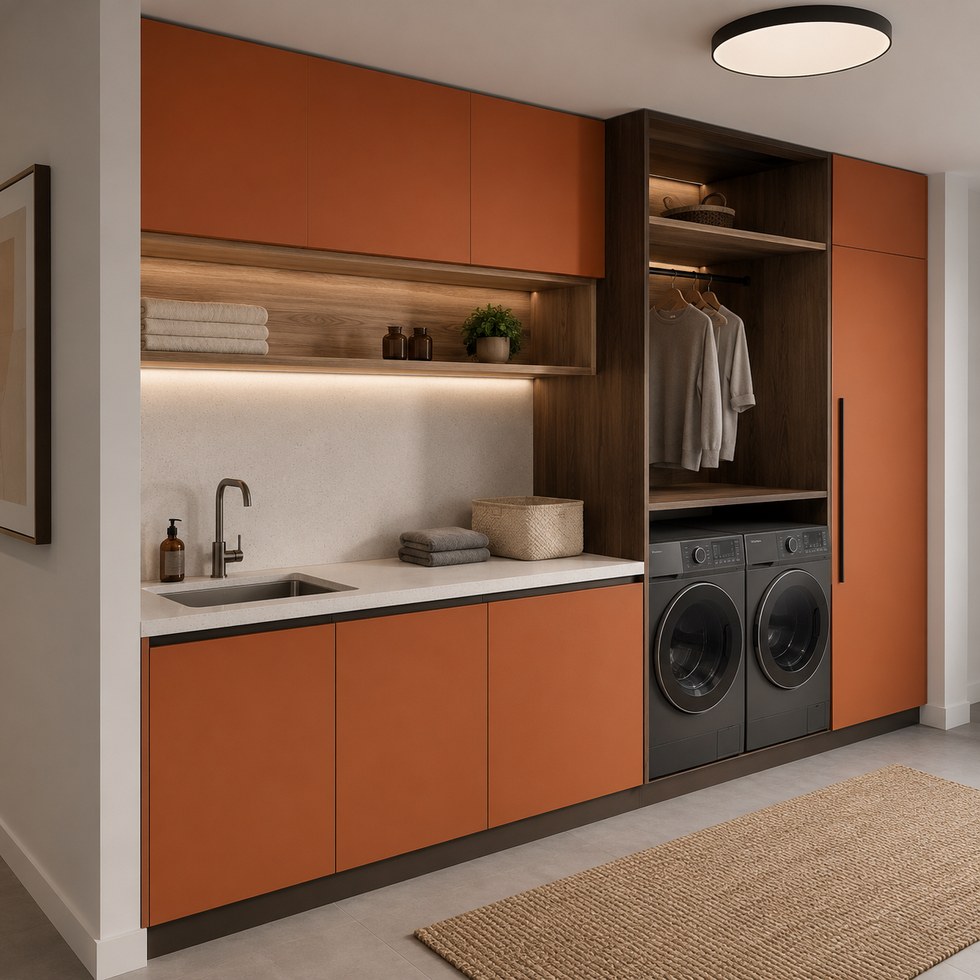
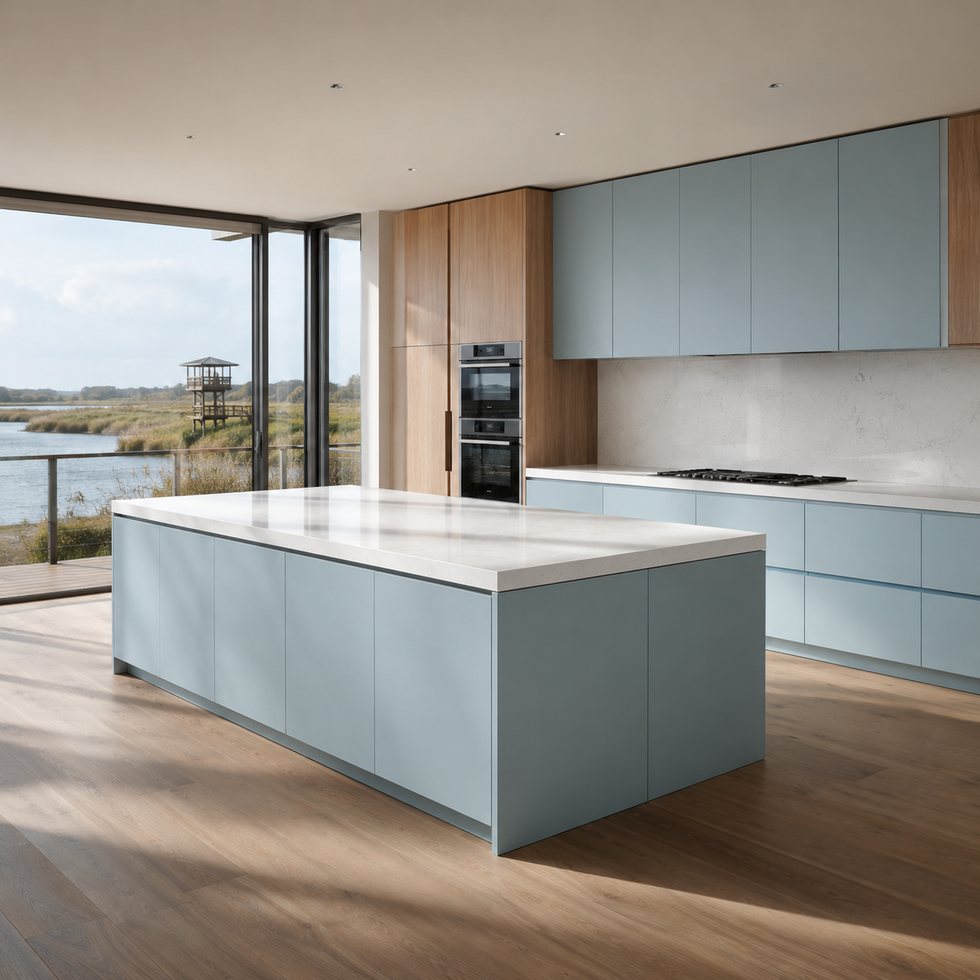
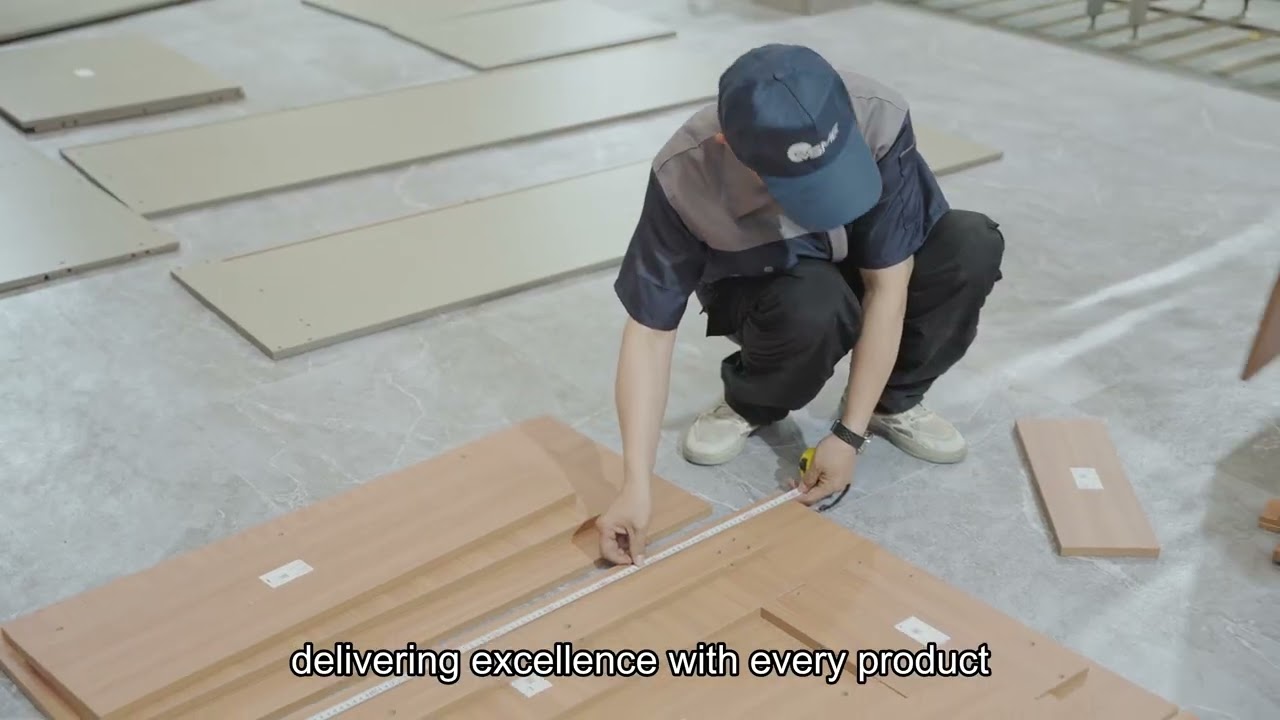
Before ordering a replacement for an imported custom cabinet, identify the original part and its connection to the cabinet. A photograph of the kitchen, a colour name or a hardware brand is a useful starting point, but it is not a complete replacement specification. Build a small identification file linking the order, cabinet position, existing component and proposed replacement. This guide explains what to send for review; it does not promise that an old part remains available or that a substitute will fit.
Start with the installed cabinet, not an online lookalike
Find the original order reference, approved drawing and packing label if they are available. Mark the affected cabinet on the drawing, then photograph it in its room. Give each affected component a separate reference. For example, Kitchen / B07 / upper drawer front is an illustrative location label, not a VSME part number.
Record the problem separately from the proposed solution: a loose fixing, a broken fitting, a damaged surface and an incorrectly aligned front may require different work. Do not enlarge holes or cut a panel just to test a guessed replacement. Where removal is necessary, ask an installer to support the door or drawer and follow the fitting manufacturer's instructions.
Use two records: the visible part and its interfaces
A replacement front has to be reviewed both as a finished surface and as a component connected to hardware. Use the following request sheet to make missing information visible before a quotation is accepted. Unknown entries should remain marked as unknown until measured or identified.
Record
Evidence to send
Confirmation to request
Project identity
Original order reference, cabinet location and relevant drawing revision
Which original line item is being replaced?
Finished front
Clearly labelled width, height and thickness; front, rear and edge photographs
Are these finished-part dimensions, rather than opening dimensions?
Surface
Retained finish code or sample; profile, edge treatment and grain direction
What can be matched, and what remains subject to sample review?
Existing connections
Photographs and a dimensioned sketch of the hinge, handle or drawer-front attachment positions
Will the replacement use the existing connections or require a revised arrangement?
Hardware
Manufacturer markings, complete part references and photographs of associated plates, clips or brackets
Is the proposal an exact replacement or a compatible set requiring other parts?
Supply scope
Quantity needed and destination
Which components, finishing, drilling, packing and delivery services are included?
Keep a measured part separate from a calculated opening. In particular, do not add an overlay allowance to the dimensions of an existing finished door without an agreed reason: the supplier needs to know what was measured. Mark the face viewed in the sketch so that a left-side drilling pattern is not accidentally interpreted from the opposite side.
Read hardware markings before choosing a model
Blum's own identification pages illustrate why the visible mechanism matters. Its hinge guide distinguishes CLIP-family mechanisms from MODUL and shows where identifying logos appear. Its runner guide shows identification points on MOVENTO and TANDEM, including positions that become visible when the drawer is removed. These pages help gather identification evidence; they do not establish that an unidentified replacement is compatible. See the manufacturer's hinge identification guide and runner identification guide.
Photograph the components that work together, not just the damaged one. Ask the supplier to identify the proposed matching parts and the technical document used for the decision. If a reference cannot be read, state that explicitly. A familiar logo or a similar-looking rail should not be treated as a compatibility approval.
For a proposed substitute, request a written list of everything that changes: the fitting, associated plate or locking component, drilling, fixing positions and any work on the existing cabinet. Have the installer review that list before purchase. This is a replacement assessment, not an instruction to combine parts from different systems.
Separate colour approval from fit approval
CabinetDoors.com's matching guidance discusses door style, wood, grain, finish and samples, and notes that an older finish can change in appearance. That is a useful warning against approving a visible replacement from a phone photograph alone. Its advice relates to its own replacement-door offering, not a guarantee about a VSME order. Read the original matching guide.
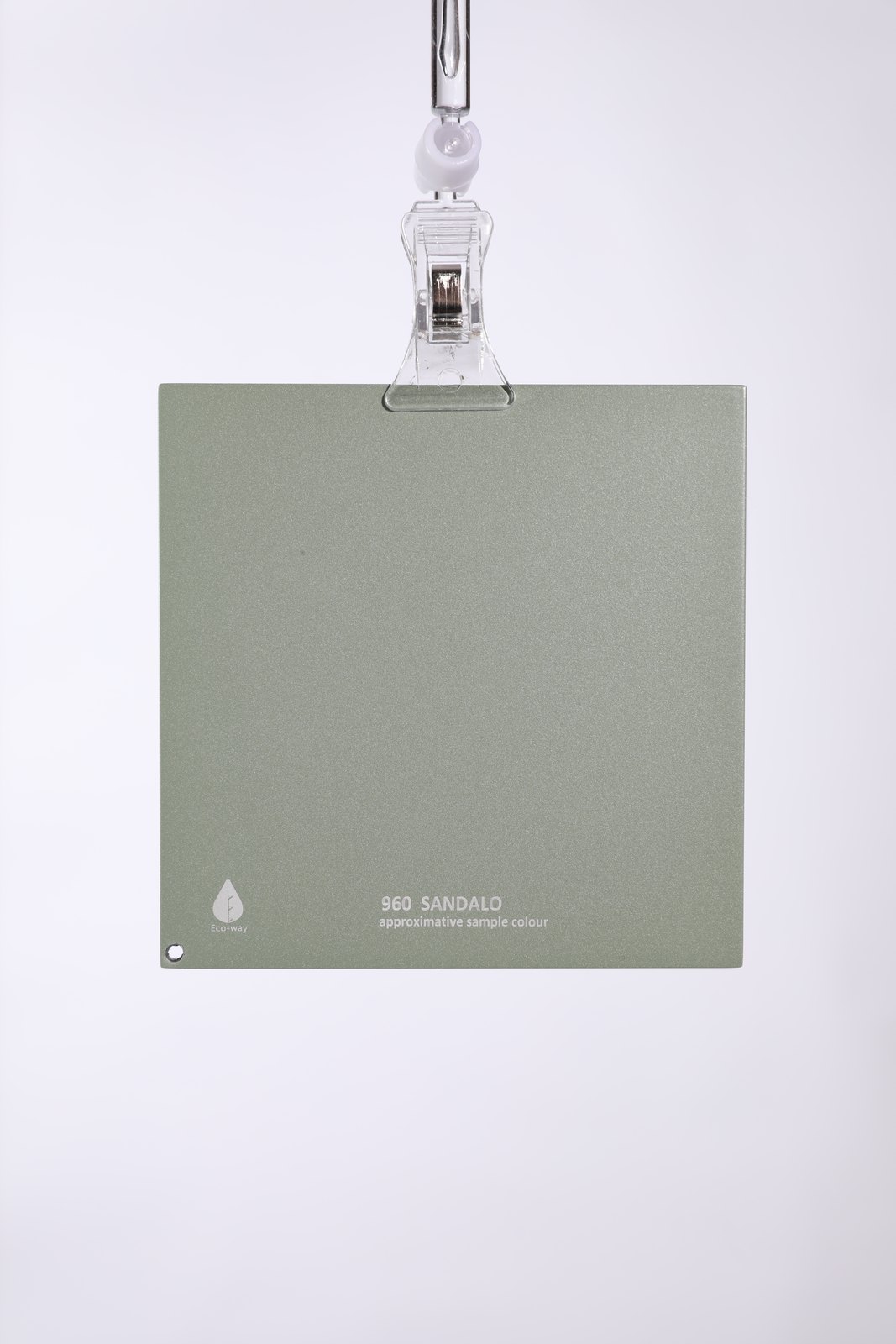
Ask what physical evidence can be reviewed alongside the existing cabinet: a retained production sample, an agreed new sample or, where practical, an existing component supplied for comparison. Record whether approval covers colour, sheen, texture, profile and grain direction. If a single replacement will remain visibly different, decide whether that is acceptable before agreeing a larger replacement scope.
Close the request with a confirmed part schedule
Do not close the discussion with “same as the old one.” Ask for a revised part schedule that names the original component, proposed replacement, quantity, finish evidence and any changed interfaces. Keep the supplier's confirmation together with the photos and drawings used to reach it. Record availability, price, delivery scope and installation responsibility as order-specific terms rather than assumptions.
It can help identify candidates. Use it with readable markings, measured dimensions and the original drawing, then obtain confirmation of the actual replacement specification.
What if the original hardware has been discontinued?
Ask for an identified alternative and a complete list of associated parts and cabinet changes. Do not assume that replacing only the broken piece is possible.
Does using the original colour code guarantee an invisible repair?
No such guarantee is made here. Ask to review the proposed finish against the installed cabinetry, and agree the acceptable result before ordering.
Prepared as an original VSMEHOME buyer guide. Manufacturer references checked on 5 September 2026. Examples are illustrative and do not describe a completed customer case.
Related guide: Who we are, our minimum order and lead time: VSME company facts.
We use cookies to offer you a better browsing experience, analyze site traffic and personalize content. By using this site, you agree to our use of cookies. Privacy Policy