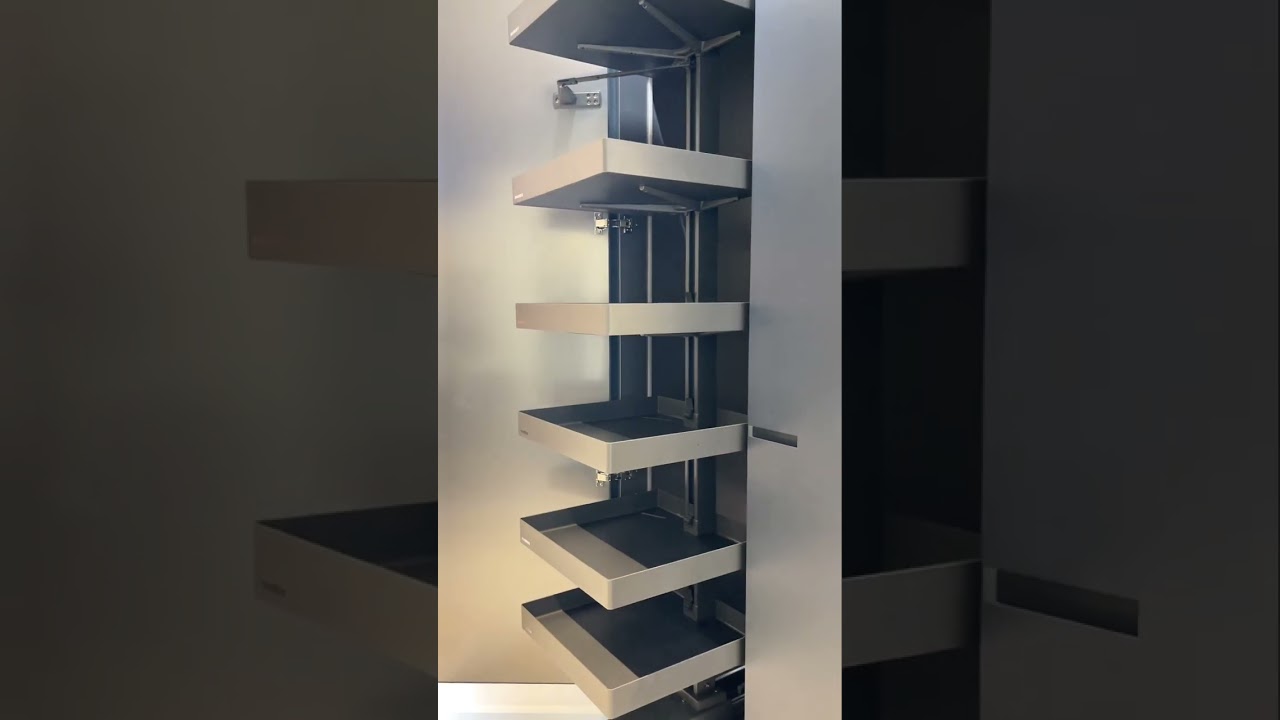
A heat-pump dryer may not need an exhaust duct, but that does not automatically make a closed laundry cabinet suitable. Before concealing it behind doors, verify the exact dryer's enclosure instructions, airflow requirements, door movement and routine maintenance access. Design the cabinet for the machine while it is operating, not only for the appearance of the laundry when everything is closed.
Separate the exhaust connection from enclosure ventilation
Miele's heat-pump dryer explanation describes recirculating warm air and not requiring an exhaust pipe. That explains a difference from an exhaust-ducted dryer. It is not an installation approval for an arbitrary cupboard.
Ask the appliance supplier a more precise question: can this destination-market model operate in the proposed enclosure, with this cabinet door arrangement? Request the installation document and identify the relevant section. If the proposed design depends on leaving a door open during use, make that operating condition visible in the design brief before the customer approves the concealed appearance.
Read the whole enclosure note, not one dimension
The Fisher & Paykel planning guide 90003374A, March 2024, page 22 provides a scoped example for its listed DH9060 heat-pump dryer models. Its cabinet-door note combines same-side hinging, a minimum 40 mm front-door gap, and sufficient enclosure ventilation under local requirements or an open cabinet door during operation. It also restricts door arrangements that prevent the dryer door from opening fully.
Those conditions belong together. The front gap alone is not proof that a sealed enclosure is acceptable, and the dimensions must not be transferred to a different model. This is a China-market planning-guide example retrieved in September 2026, not a claim that the 2024 document supersedes the current installation instructions supplied with another appliance.
Draw the laundry in its operating position
Show the appliance door, outer cabinet doors and nearby tall-storage doors on one plan. Check loading and unloading with the doors in the positions required during use. Include a laundry basket and the person's standing space as planning considerations; do not judge access only from a closed elevation.
For a hypothetical narrow laundry, a cabinet door left open for operation could occupy the route to a broom cupboard. The solution might involve changing the cabinet-door arrangement, appliance location or enclosure concept. Resolve that particular conflict before manufacture. Adding a decorative grille without checking the manufacturer's requirement is not a verified solution.
Record any specified ventilation path and its required openings on the drawing. Ask the responsible appliance installer or designer to review how trims, plinths, worktops and adjoining cabinets affect that path. Keep unresolved requirements visible rather than letting “ventless dryer” stand in for a ventilation decision.
Preserve the access needed after every cycle
Locate the selected machine's user-maintenance points from its manual. Ask how the lint filter is removed and returned, whether a water container needs emptying, and which lower panels or filters must remain accessible. These details vary by model. Do not place a permanent cabinet rail, decorative panel or stored cleaning equipment across a required access route.
Also review how the machine can be withdrawn for service. Identify which cabinet parts, if any, must be removed first and who is responsible. Show the planned hose, drain and cable routes for the installer to verify. Do not improvise electrical connections or drainage extensions merely to make a cabinet dimension work.
If the appliance arrangement includes a washer, stacked installation or additional fabric-care unit, use the documents for that complete combination. An approval for a side-by-side layout does not automatically cover stacking or a different machine.
Release the cabinet only against a resolved operating brief
Keep four items together: the exact appliance identification, current installation guidance for the destination, the cabinet's closed and operating drawings, and the named reviewer's confirmation of unresolved interfaces. Make clear whether the decorative doors can remain closed during operation and how the customer will use and maintain the machine.
A later appliance substitution should trigger a fresh enclosure review. For the wider discipline of model documents and cabinet openings, see our appliance-to-cabinet coordination guide. This laundry-specific check adds operating ventilation and maintenance access rather than assuming a visually integrated appliance has the same installation rules as another product.
For a VSME laundry-cabinet enquiry, send the exact washer and dryer references, room plan and preferred door arrangement. Cabinet feasibility, appliance installation responsibilities and any required access details should be confirmed for that project. This guide is not an appliance installation instruction or a promise that every dryer can be concealed.
Sources reviewed on 7 September 2026. Exact appliance instructions and the responsible local installation review control; no universal cabinet ventilation or clearance standard is asserted.
We use cookies to offer you a better browsing experience, analyze site traffic and personalize content. By using this site, you agree to our use of cookies. Privacy Policy