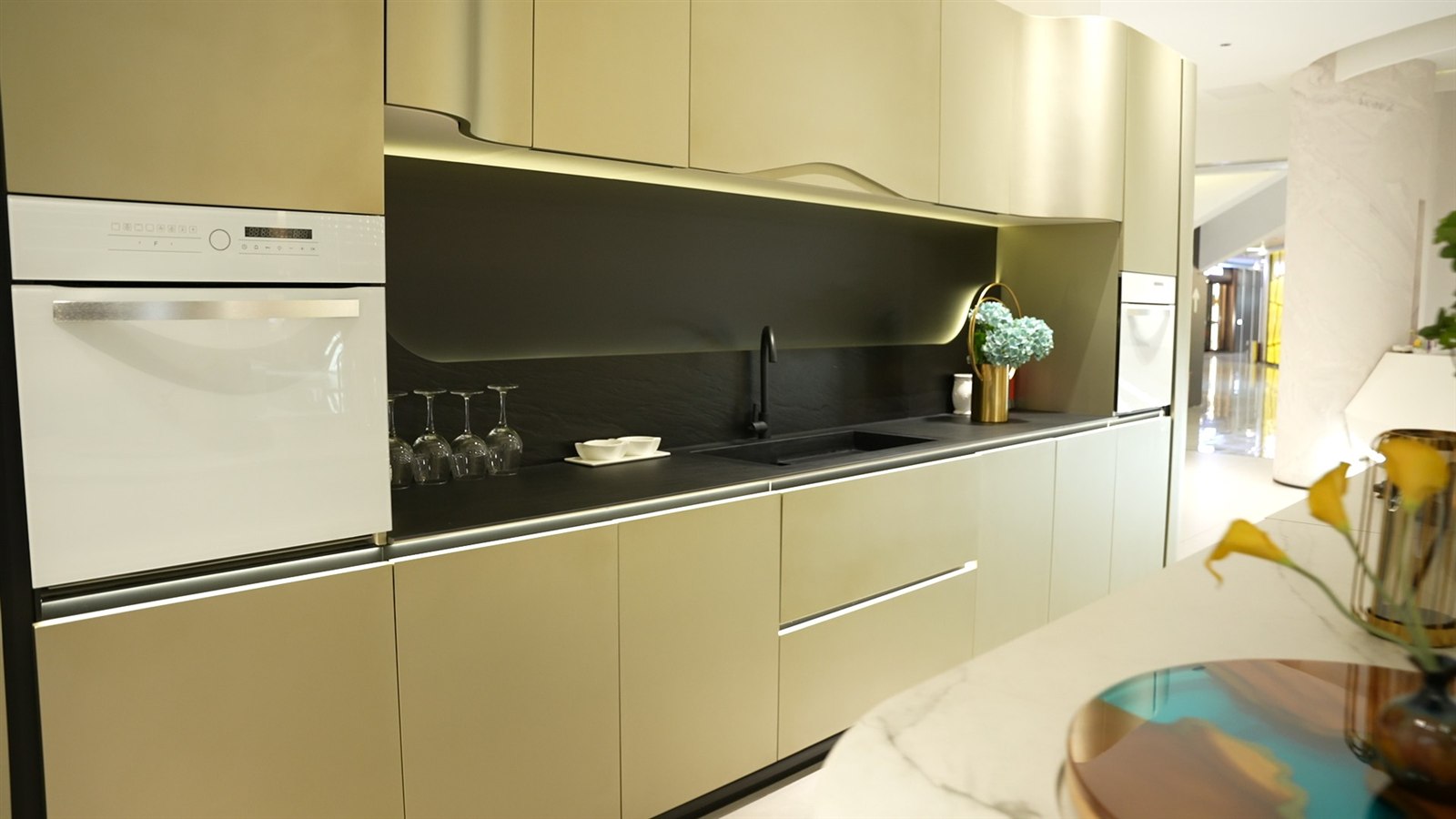
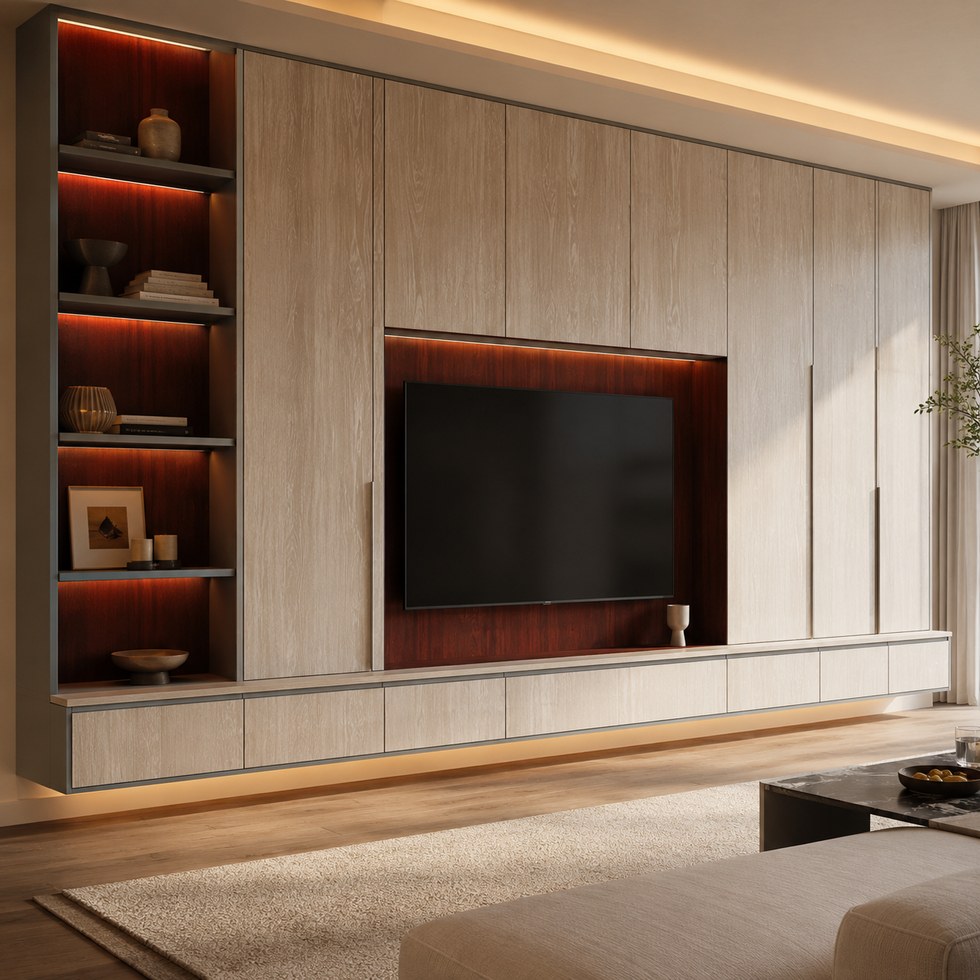
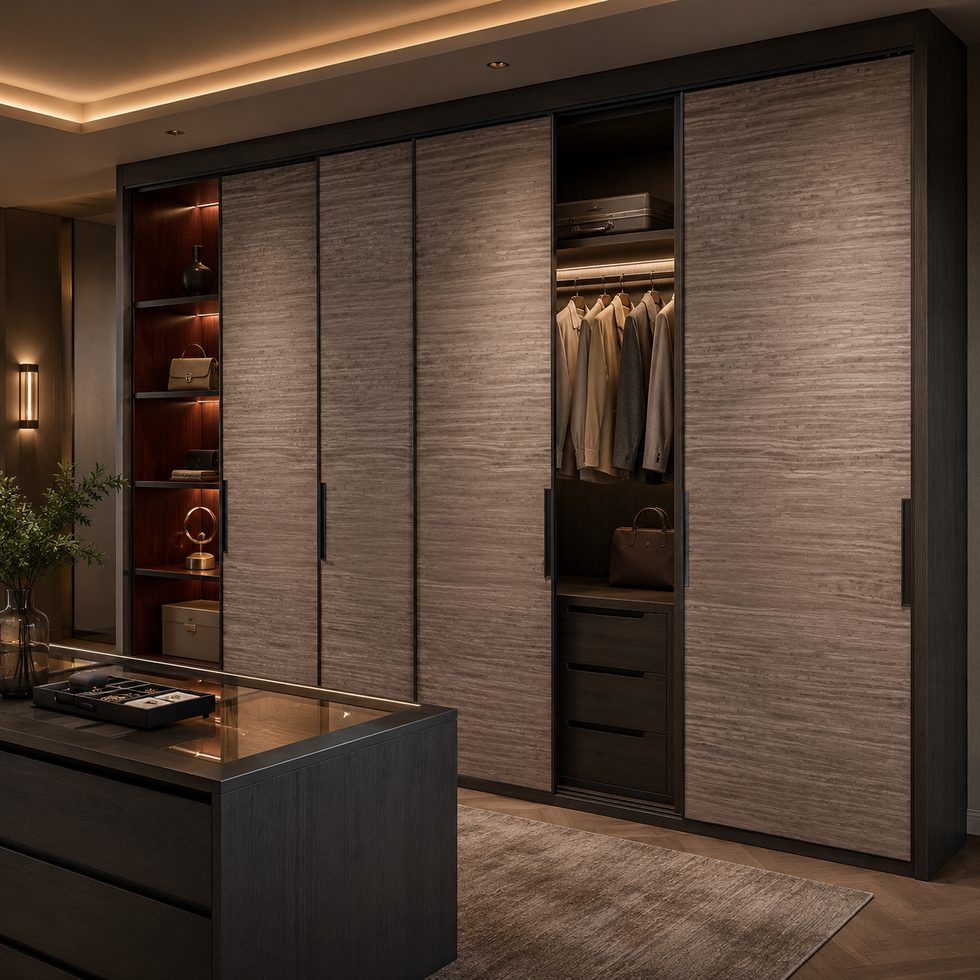
When you send your kitchen plans or sketches to several cabinet makers in China, getting very different numbers back is completely normal. Quotes for the same floor plan can be far apart.
Seeing that spread can be confusing. It usually does not mean someone is overcharging or that the lowest bidder is trying to trick you. More often, each factory simply interpreted your layout with different materials, different hardware tiers, or a different list of included accessories. To compare quotes fairly, you need to look at what each number actually buys and what other expenses you will need to plan for.
1. Look at the Build: Where Specifications Differ
Two kitchens that look identical in a 3D rendering can be built quite differently underneath. When reviewing the numbers, check how each maker handled these key areas:
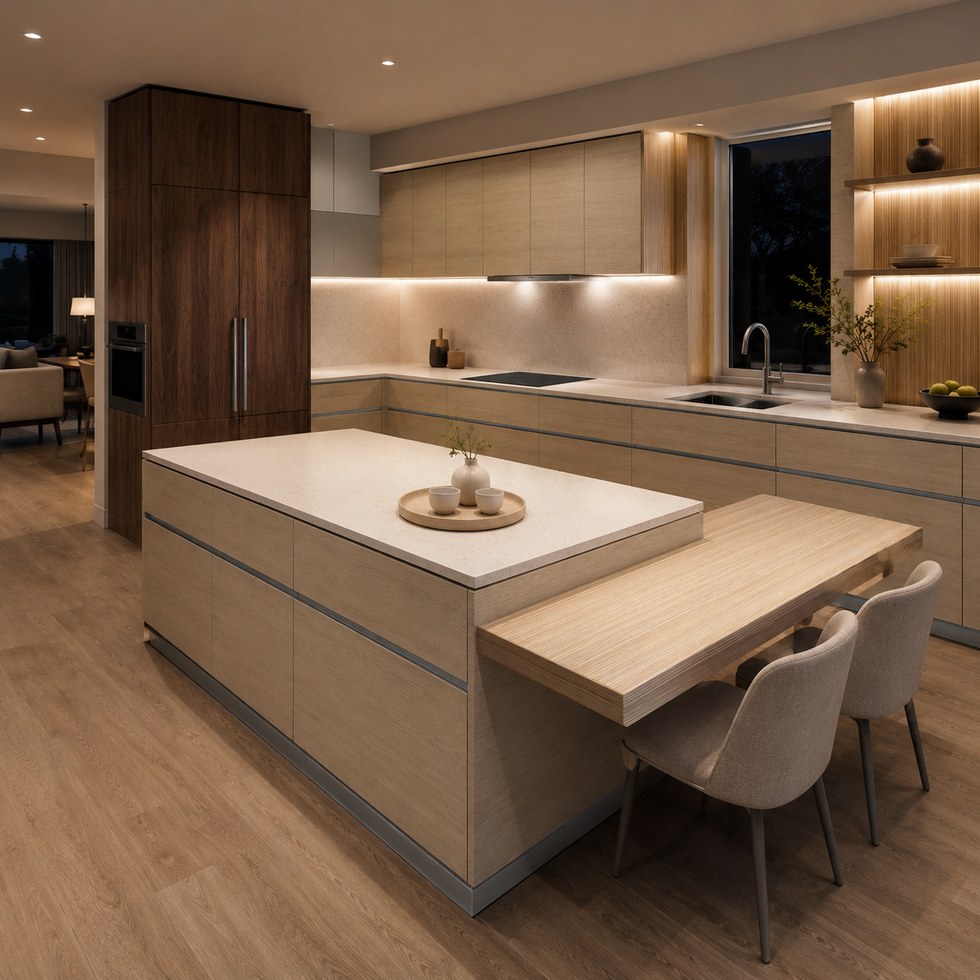
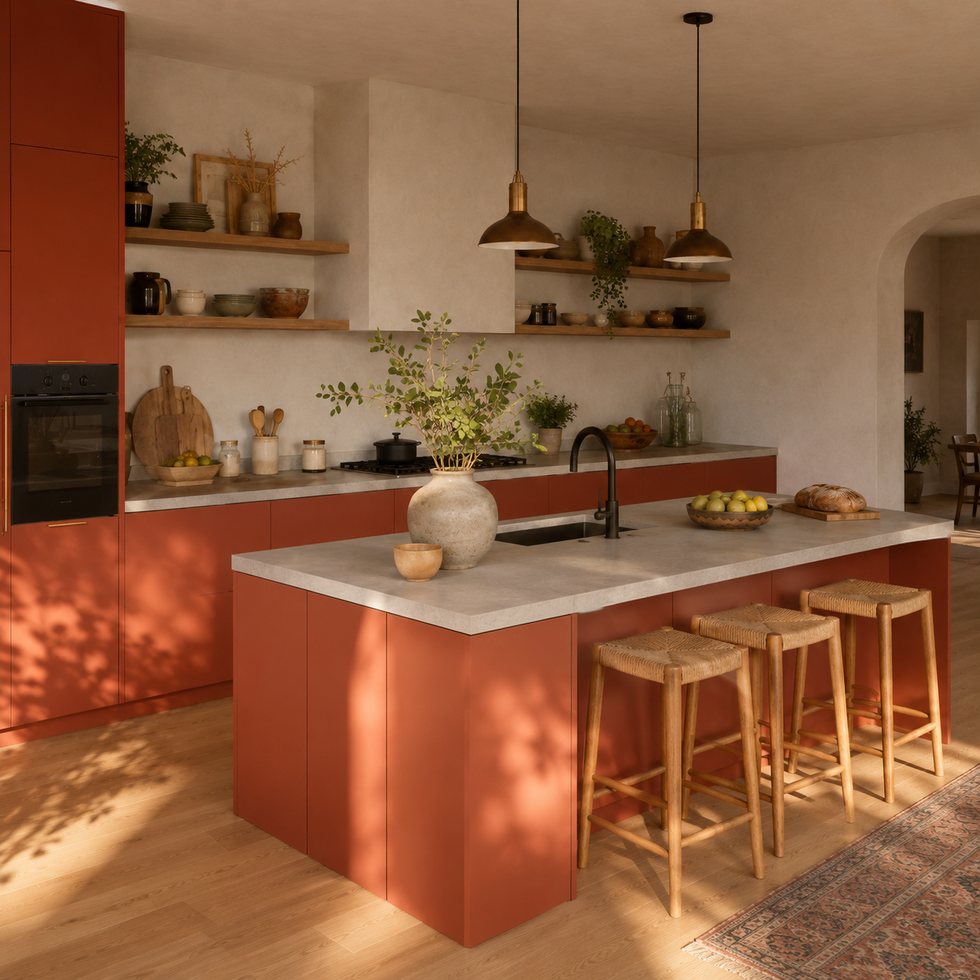
Exposed Side Panels (Gables): The exposed ends of an island, pantry, or upper cabinet run need to look right. Does the quote include matching decorative finish panels, or does it leave those sides in standard interior carcase board? Matching panels add material and cost, so make sure both quotes handle them the same way.
Cabinet Box and Back Construction: Cabinet boxes can be built from different core substrates (such as moisture-resistant particleboard or multi-layer plywood). Back panels also come in different thicknesses and installation methods. Knowing the core material and thickness helps you understand what you are paying for.
Hardware Brand and Drawer Types: A quote that just says "soft-close hinges" leaves a lot open. Brand-name fittings (such as Blum or DTC) and premium double-walled drawer systems cost more than entry-level slide runners. Check whether the brand and drawer model are listed by name.
Trim, Kickboards, and Fillers: Rooms are rarely completely square. Proper installation usually needs matching filler strips along walls, extra scribing pieces, and toe-kick boards (plinths). Check whether these finishing trims are included or left out.
Countertop Fabrication: If your quote includes stone or quartz, check if sink cutouts, cooktop openings, and edge polishing are included, or if the factory is only quoting raw slabs.
2. The Side-by-Side Comparison Checklist
To keep things simple, put the main details from each proposal side by side. If an estimate leaves something vague, just ask them to write down the exact brand, thickness, or finish code.
Component
Details to Confirm
Why It Affects Price
Carcase (Cabinet Box)
Substrate type (plywood, particleboard) and board thickness.
Different core boards and thicknesses carry different material costs.
The price on the factory invoice is only one part of your overall budget. To know what the kitchen will cost installed in your home, make sure you are comparing the same trade terms:
EXW (Ex Works): You are buying the goods at the factory door. You pay for domestic trucking inside China, export customs clearance, ocean shipping, and destination delivery.
FOB (Free On Board, such as FOB Nansha or FOB Shenzhen): The seller handles export clearance and delivery on board the vessel at the named departure port. The buyer arranges ocean freight and destination costs.
CIF (Cost, Insurance, and Freight): The seller pays freight and insurance to the named destination port. Check which destination handling and unloading charges are included; import clearance, applicable taxes, and onward transport still need budgeting.
DDP (Delivered Duty Paid): The seller arranges transport and import clearance, including duties, to the named destination. Confirm unloading and any installation costs separately.
Beyond the shipping terms, always set aside budget for destination port handling, import duties/taxes, local home delivery, and local professional installation. Comparing an EXW price from one maker directly against an FOB quote from another will always give you a misleading picture. For more on this, read our practical overview of China vs. local cabinet quotes and the unpriced gap.
4. Schedules and Payment Stages
A good quotation should also make the project timeline and payment stages easy to understand.
Production Timeline: Ask what triggers the start of production. At VSME and Moyisi, custom cabinetry production runs about 45–55 days after payments reach 50% of the order value. Measuring, design adjustments, and shipping transit time sit outside those manufacturing days. Make sure you compare production windows using the same starting point. (Read more about custom cabinet lead times).
Payment Schedule: Compare the deposit, later payment stages, and any inspection arrangements in each quotation. Our orders use a deposit and a balance before shipment.
Physical Samples: Computer screens can show colors differently than they appear in real life. If you are ordering custom finishes, ask to see physical color swatches or finish samples under your room's real light before production begins.
How We Work at VSME
At VSME (the international brand of Foshan Moyisi Home Furnishings Co., Ltd.), we manufacture custom kitchen cabinets, walk-in closets, and residential joinery directly at our workshops in Foshan, China. We help homeowners, builders, and designers get clear, itemized pricing without confusing guesswork.
Published Starting Ranges: Complete custom kitchens generally range between USD $3,000 and $8,000 FOB, depending on the layout, finish choices, and interior fittings. Whole-house cabinetry packages (kitchen, wardrobes, vanities) typically run between USD $10,000 and $30,000 FOB. (For detail on how finish choices shape costs, see our guide on custom kitchen cabinet cost by specification).
Minimum Order Value: Our baseline order threshold is USD $5,000 per order. If your kitchen quote comes in below $5,000, you can ask for a combined quote with any wardrobes or vanities you also need, then compare the actual order total with the minimum (see our guide on small-batch custom cabinet orders).
Clear Engineering: You work directly with our design and drafting team to review detailed 2D elevation drawings, appliance cutouts, and panel notes before anything is cut in the workshop.
If you have a floor plan, an architect's sketch, or an existing estimate you would like to compare side by side, feel free to visit our custom kitchen cabinets collection, explore our wardrobe options, or get in touch through our contact page. We will be glad to review your layout and provide a clear, itemized quote for your project.
We use cookies to offer you a better browsing experience, analyze site traffic and personalize content. By using this site, you agree to our use of cookies. Privacy Policy